There's a certain type of food writing that loves a good umbrella term. "Stone fruits." "Alliums." "Cucurbits." These words make a recipe writer sound like they have a culinary degree and a farmers market loyalty card - and sure, sometimes they're genuinely useful. But Bon Appétit's test kitchen is pushing back on at least one of them.
In a recent piece, the team announced they're done trying to make "allium" happen - at least as a casual, everyday cooking word. And honestly? It's a relief.
What even is an allium?
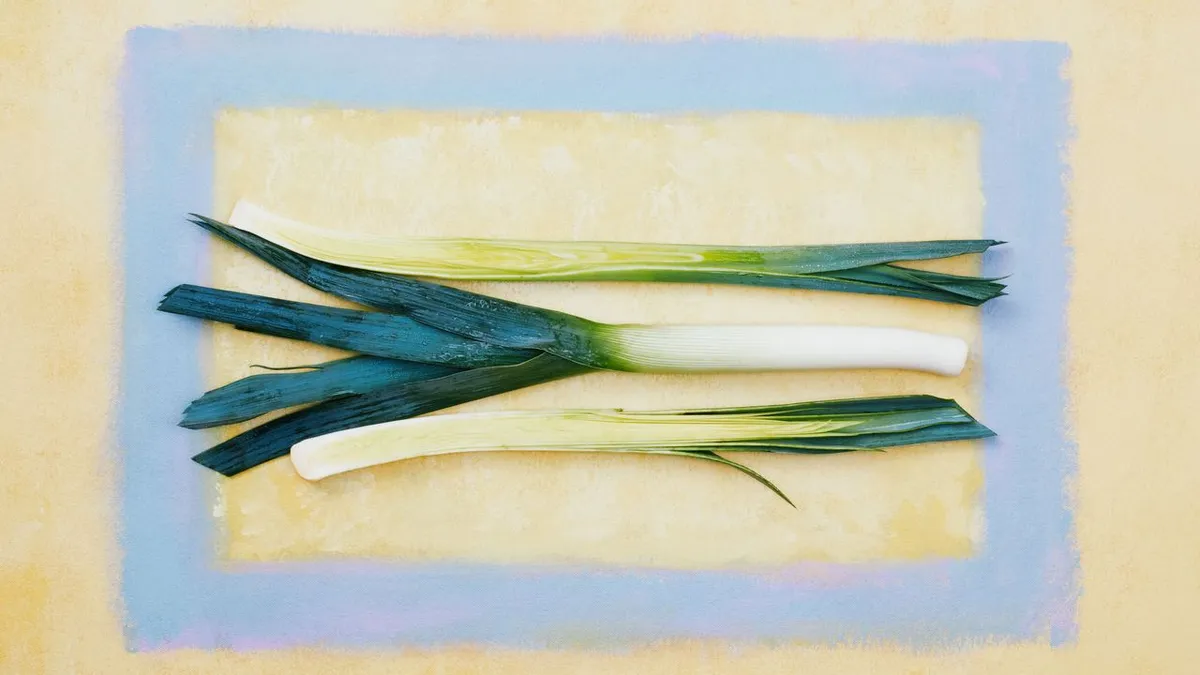
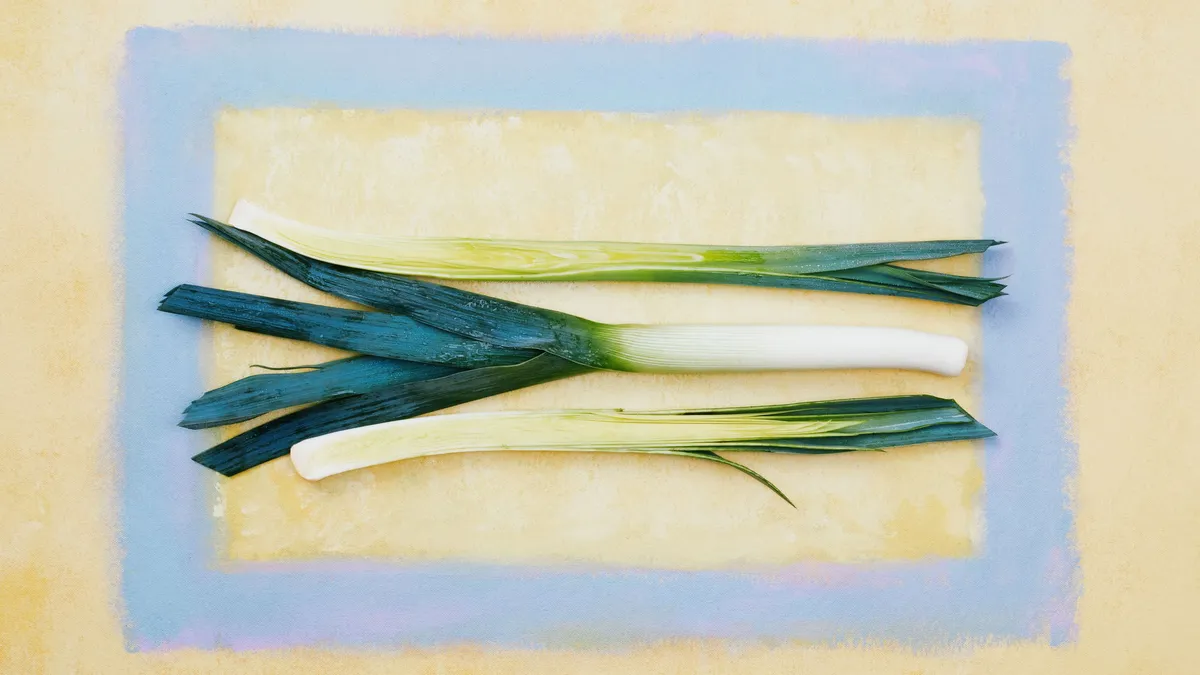
Technically, alliums are the plant family that includes onions, garlic, leeks, chives, shallots, and scallions. Calling them all "alliums" is botanically correct and occasionally handy when you're talking about the whole group at once. But in practice, it's the kind of jargon that can quietly make home cooks feel like outsiders in their own kitchens.
Bon Appétit's new spring recipes are apparently full of the things - roasted shallots, charred scallions, all the good stuff - but the word "allium" itself is getting a much quieter role. The idea is simple: just call it what it is. A leek is a leek. A shallot is a shallot. Your readers will thank you.
Why this actually matters
Food media has a long history of trickling professional kitchen vocabulary down into home cooking spaces, sometimes helpfully, sometimes not. Words like "allium" can create a subtle gatekeeping effect - the sense that good cooking requires fluency in a specific language. It's a small thing, but it adds up.
There's also just something more appetizing about specificity. "Caramelized shallots" sounds like something you want to eat. "Cooked alliums" sounds like a biology assignment.
The bigger trend here
This little editorial decision reflects something broader happening in food culture right now - a move away from intimidating, restaurant-coded language and toward writing that actually invites people in. It's the same impulse behind recipes that say "a big handful" instead of "30 grams" and "until it smells good" instead of "until fragrant."
Cooking should feel accessible and joyful, not like you're studying for a test. And if retiring one slightly pretentious word helps achieve that, then honestly, good riddance to allium. The scallions will survive the rebrand just fine.