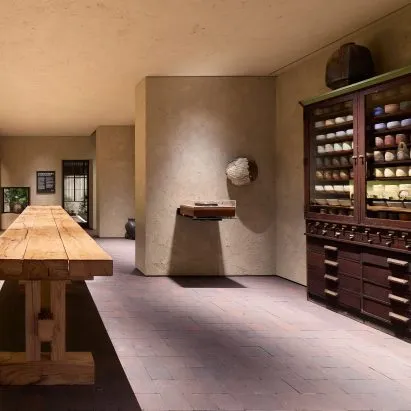
There's something quietly radical about an artist known for large-scale urban transformation filling a luxury retail space with humble clay vessels. But that's exactly what Theaster Gates has done for Milan Design Week, and it feels completely right.
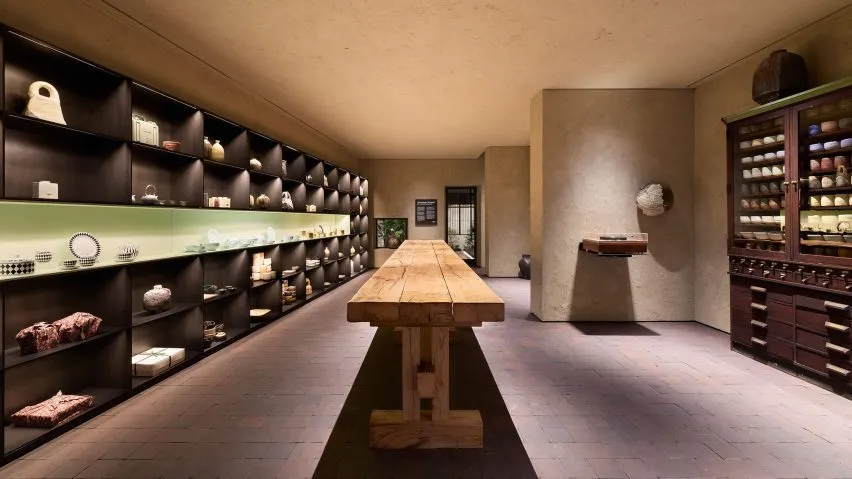
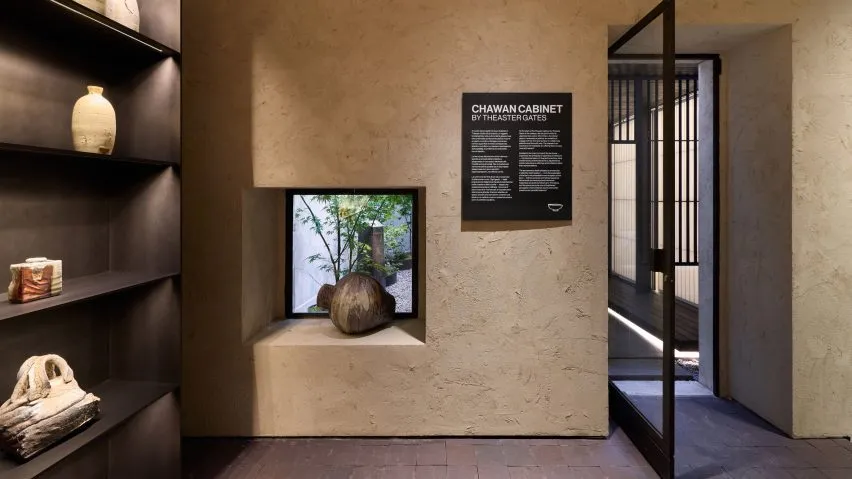
Gates has taken over a dedicated Prada Home space in Milan and turned it into what can only be described as an earthen sanctuary. The exhibition, titled Chawan Cabinet, is a love letter to Japanese pottery - specifically the chawan, the tea bowl that sits at the heart of Japanese tea ceremony culture.
Hundreds of vessels, one clear vision
The show brings together hundreds of ceramic objects that Gates has sculpted himself, alongside pieces he has curated from friends and mentors. It's a deeply personal collection, and that personal quality is the whole point. According to reporting by Dezeen, the artist's guiding principle for the project is "simple human kindness" - a phrase that reframes what you might expect from a high-profile collaboration between a major contemporary artist and one of fashion's most powerful houses.
The pairing of Gates and Prada Home isn't as surprising as it sounds. Both have a genuine investment in craft, materiality, and the idea that objects carry meaning beyond their function. But where Prada typically trades in sleek, aspirational aesthetics, Gates brings something warmer and more grounded - literally. Clay, earth, fire. The ancient fundamentals of making things by hand.
Why ceramics, why now
The global appetite for ceramics has been building for years, moving well beyond the craft revival moment of the early 2010s into something more sustained and culturally significant. People are drawn to handmade objects in a way that feels almost like a correction - a counterweight to the smooth, frictionless surfaces of digital life.
Gates has long understood this. His practice spans architecture, music, and visual art, but clay keeps pulling him back. There's something about the chawan in particular - its simplicity, its intimacy, the way it's designed to be held in two hands and shared - that aligns perfectly with his broader themes of community and care.
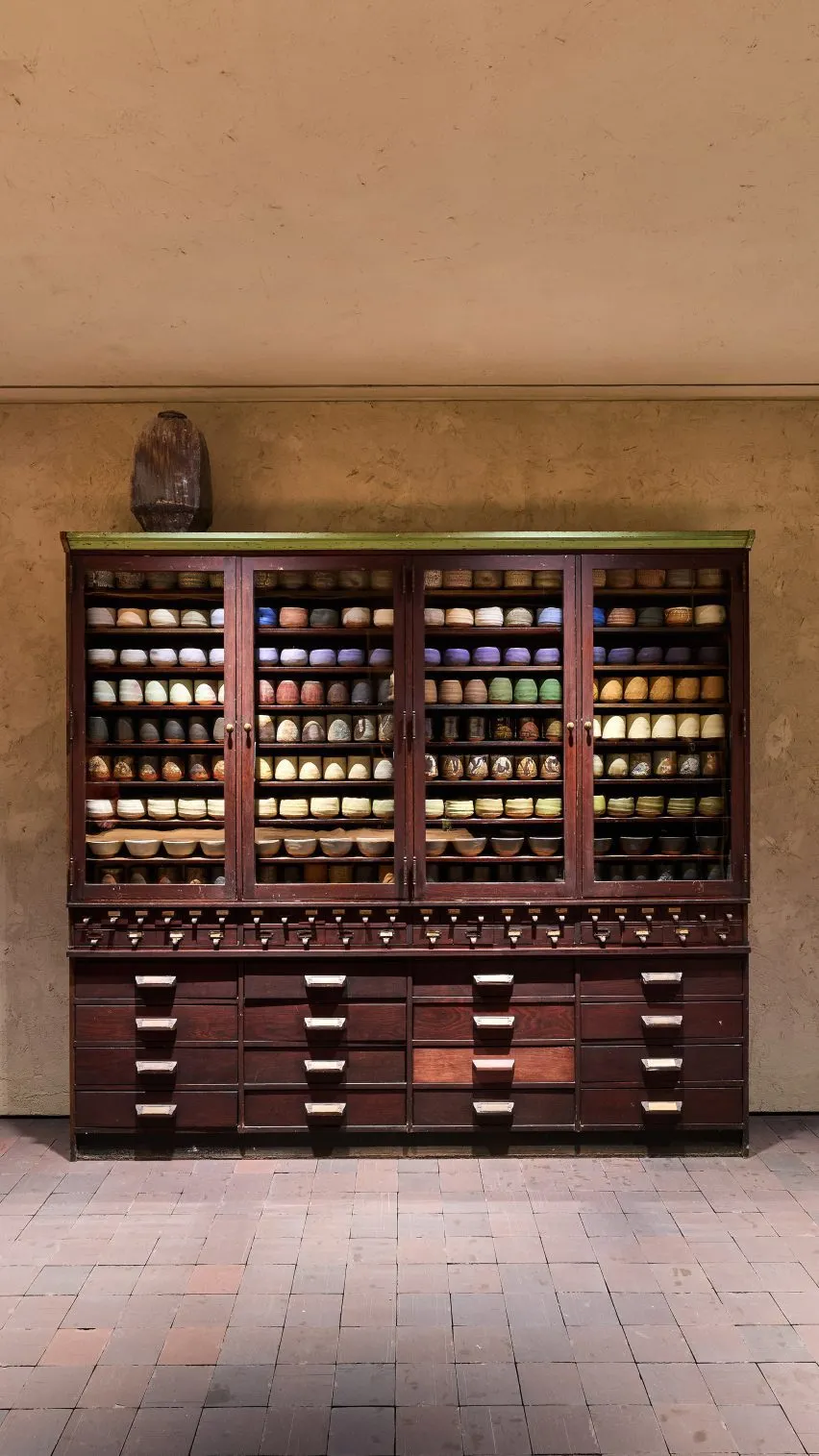
Hosting this kind of exhibition inside a retail environment also asks interesting questions about where art belongs and who gets to see it. A design week crowd moving through Milan is a wide and varied audience, and bringing something as quiet and intentional as a cabinet of tea bowls into that context feels like a genuine act of generosity.
Sometimes the most powerful gesture is also the simplest one.