If you thought the deepfake problem was bad when it was a handful of creeps operating in isolation, brace yourself. According to a report from Wired, 4chan has become home to organised communities of users who are collaborating - openly, enthusiastically, and on request - to create nonconsensual explicit images of real women using AI nudification tools.
They call themselves 'wizards'. Which would be a delightful piece of nerd cosplay if the 'magic' they were performing wasn't, you know, a form of sexual abuse.
How this actually works
The setup is disturbingly simple. Users post photos of real women - friends, strangers, public figures, anyone - and request that other members of the community use AI tools to strip away their clothing and generate explicit fake images. It's a collaborative, crowd-sourced violation. No single person has to do all the work. The community handles it together, which somehow makes the whole thing worse.
Wired's reporting makes clear this isn't a fringe edge case buried in some dark corner of the internet. It's an active, thriving scene with its own culture, vocabulary, and regulars.
Why this matters beyond being 'gross'
It's tempting to dismiss this as yet another depressing chapter in the endless saga of internet awfulness. But the shift from individual bad actors to organised community behaviour is a meaningful escalation. Communities create norms. They lower barriers to participation. They make something that might once have felt like crossing a line feel perfectly routine.
The victims of these images - and they are victims, regardless of what any terms-of-service document says about synthetic content - have no meaningful way to consent to, prevent, or in most jurisdictions even legally address what's happening to them. The law has been playing catch-up with deepfake abuse for years, and communities like this are running laps around it.
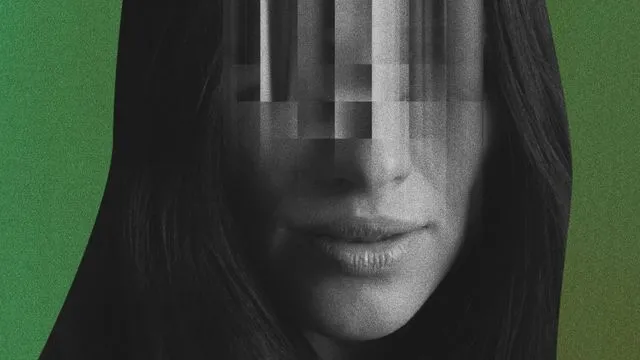
The 'it's just fake' defence is not the gotcha they think it is
A popular deflection in these spaces is that because the images are artificially generated, no real harm is done. This argument falls apart the moment you consider that the target is a real, named, identifiable person - someone who will likely encounter these images, someone whose reputation, safety, and mental health are very much on the line. The pixels may be synthetic. The damage is not.
As nonconsensual intimate image abuse continues to evolve alongside AI tools, the 4chan 'wizard' community is a grim case study in what happens when technology outpaces accountability. Wired's full report is worth reading - and probably worth feeling genuinely angry about.