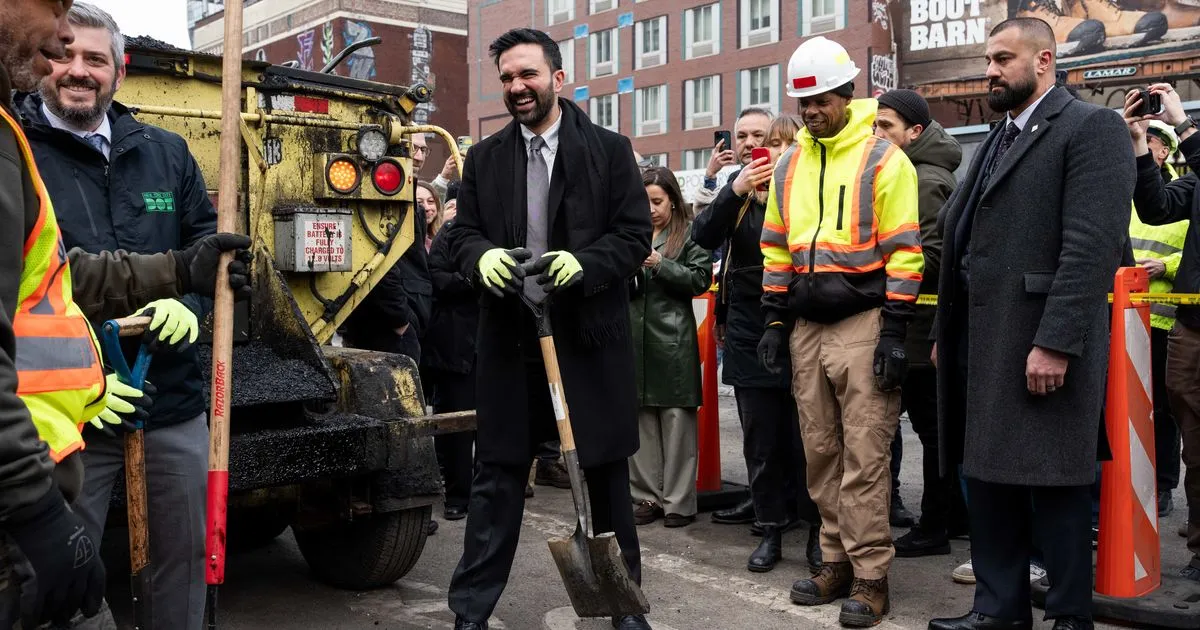
At first glance, the curb might seem like the most unglamorous slice of city real estate imaginable. It's where the garbage bags pile up, where rideshares idle and double-parked delivery vans quietly drive everyone crazy. But New York City's Department of Transportation is now treating that strip of asphalt with fresh seriousness - by giving it its own dedicated office.
What is curb management, exactly?
According to reporting by Curbed, the DOT has established an Office of Curb Management, a move that signals a real shift in how the city thinks about street-level space. The curb is essentially a contested frontier. Every inch of it is being fought over by delivery trucks, bike lanes, outdoor dining setups, bus stops, accessible parking, and the ever-present Uber waiting for its next passenger.
Dedicating a whole office to that strip means acknowledging that the old approach - a loose patchwork of whoever gets there first - isn't working anymore. Cities are dense, logistics are more complex than ever, and the explosion of e-commerce means delivery vehicles have become a near-permanent fixture on urban streets.
Why this actually affects your daily life
If you've ever dodged a FedEx truck parked in the bike lane, waited forever for a bus stuck behind an illegally idling van, or tried to load your groceries while someone lays on their horn, you already understand the stakes here. The curb is where urban planning theory meets the chaos of real life.
Better curb management could mean smarter loading zones that keep deliveries off the main traffic lane, cleaner transitions between pedestrian and vehicle space, and more intentional placement of everything from Citi Bike docks to accessible drop-off zones. It's not flashy policy, but it's the kind of detail that makes a city feel like it actually functions.
A small move with real signal
Creating a dedicated office might sound bureaucratic, but it reflects a broader trend in urban transportation thinking - one that's less focused on moving cars faster and more focused on making every square foot of street do meaningful work for the people who use it daily.
For a city like New York, where sidewalks are perpetually crowded and every block is a negotiation between competing needs, that kind of focused attention to the in-between spaces could genuinely move the needle. Sometimes the most interesting design problems are the ones hiding in plain sight - right at the edge of the road.