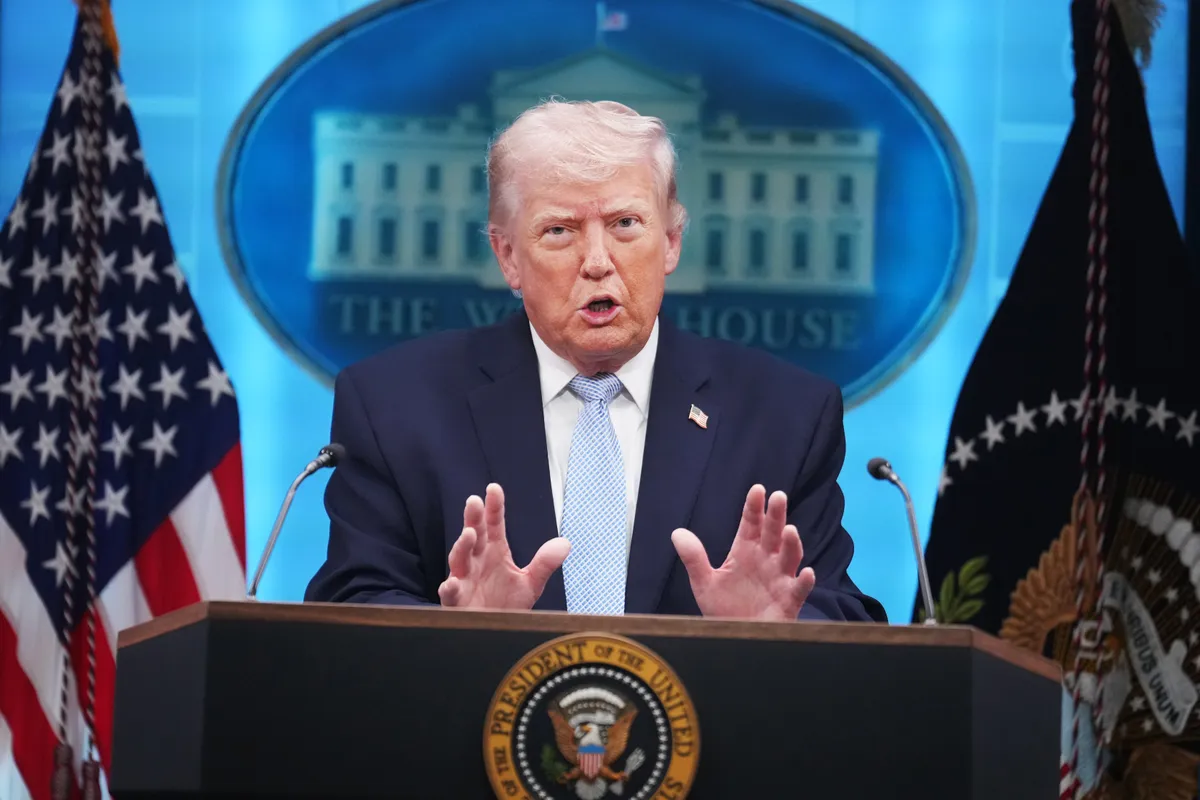
Every time it happens, the internet lights up with the same four letters: TACO. Short for "Trump Always Chickens Out," the phrase has become a kind of shorthand for a pattern critics say defines how the current president operates - big threats, loud warnings, and then a quieter-than-expected exit.
The latest moment to trigger the refrain came Tuesday, when Trump accepted a ceasefire in Iran rather than following through on his threats of massively destructive escalation. According to reporting from Vox, the decision was met with the now-familiar wave of TACO commentary online and in political circles.
Threats as a governing tool
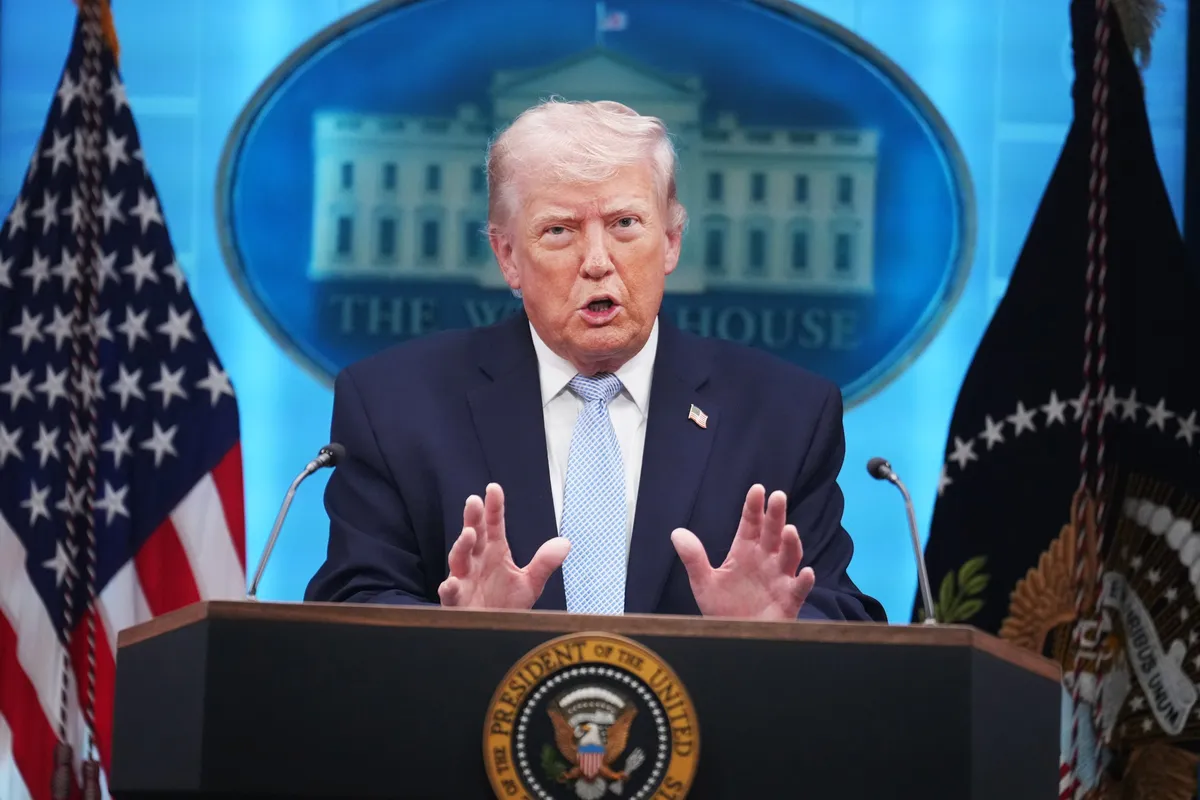
Here's the thing worth understanding: issuing extreme threats isn't a bug in Trump's political style - it's a central feature. The strategy is built on maximalist positioning up front, then pulling back when the moment of reckoning arrives. Supporters frame this as savvy dealmaking. Critics call it a bluff that keeps getting called.
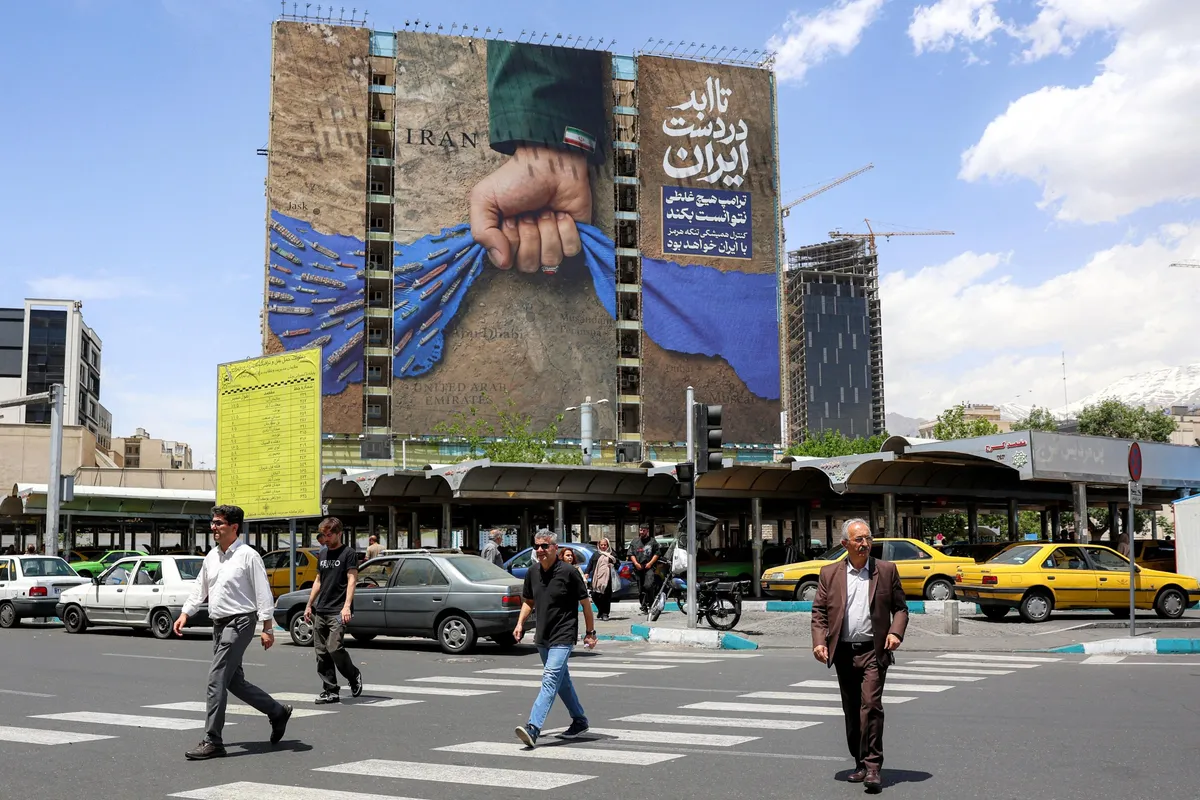
The Iran ceasefire is just the most recent example. What makes the TACO conversation interesting isn't just the snappy acronym - it's what it reveals about how we read political power and follow-through. When does backing away from a threat represent wisdom and restraint? When does it represent weakness? The answer often depends entirely on which side of the aisle you're sitting on.
Why this pattern keeps mattering
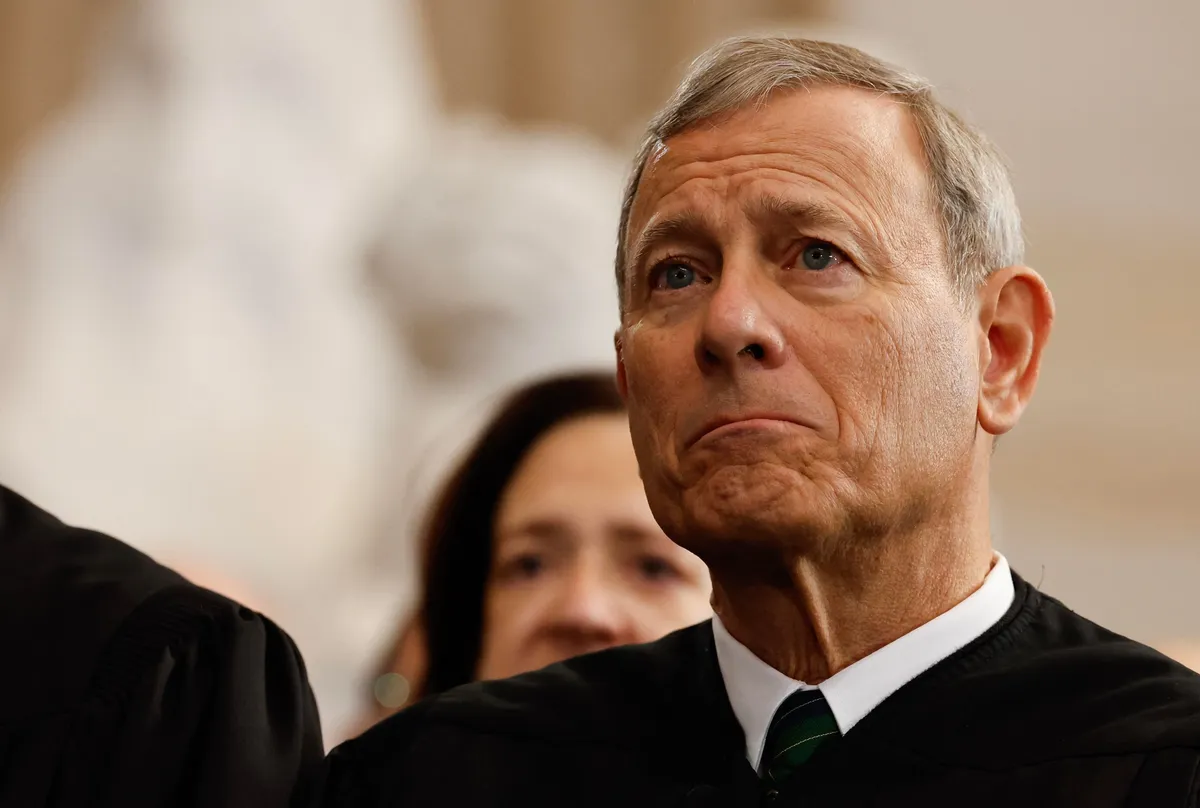
For everyday people trying to make sense of global events - including a war that has real consequences for real people - the TACO debate points to something genuinely important. Geopolitical threats shape markets, fuel anxiety, and influence how allies and adversaries position themselves. Even threats that don't materialize have consequences.
The Iran situation is a reminder that the gap between what leaders say and what they actually do is always worth watching closely. Whether you see Trump's ceasefire acceptance as a diplomatic win or a retreat, the broader question it raises is one worth sitting with: in an era of extreme political communication, how do we tell the difference between strategic posturing and empty noise?
Spoiler: it's harder than it looks - and the stakes are often much higher than a four-letter internet joke suggests.