You know how in video games there's always that one cheat code that basically breaks the entire game? Well, the Supreme Court just handed Donald Trump the political equivalent of an infinite-lives God Mode combo, and it's been sitting in the Republican legal playbook since the Reagan era.
On Monday, the Court handed down its ruling in Trump v. Slaughter, one of two so-called "unitary executive" cases that dropped like a procedural nuclear bomb on how the presidency works. The short version? Donald Trump is now, according to Vox, "the most powerful figure to govern the United States in generations."
What even is a "unitary executive" and why should you care?
Fair question. The unitary executive theory is basically the legal argument that the president should have near-total control over the entire executive branch of government. No independent agencies. No commissioners who can't be fired at will. No bureaucratic guardrails. Just one person at the top, calling every shot.
It sounds dry. It is absolutely not dry. This is the kind of structural shift that reshapes how every federal agency, regulator, and department operates - from the FTC to the FCC to basically any three-letter acronym you can think of.
Forty years of legal groundwork, one Monday morning
This didn't come out of nowhere. According to Vox's reporting, this ruling is the culmination of a nearly 40-year campaign by Republican-appointed judges to systematically chip away at checks on presidential power. Think of it as a very patient, very well-funded legal long game that finally hit payday.
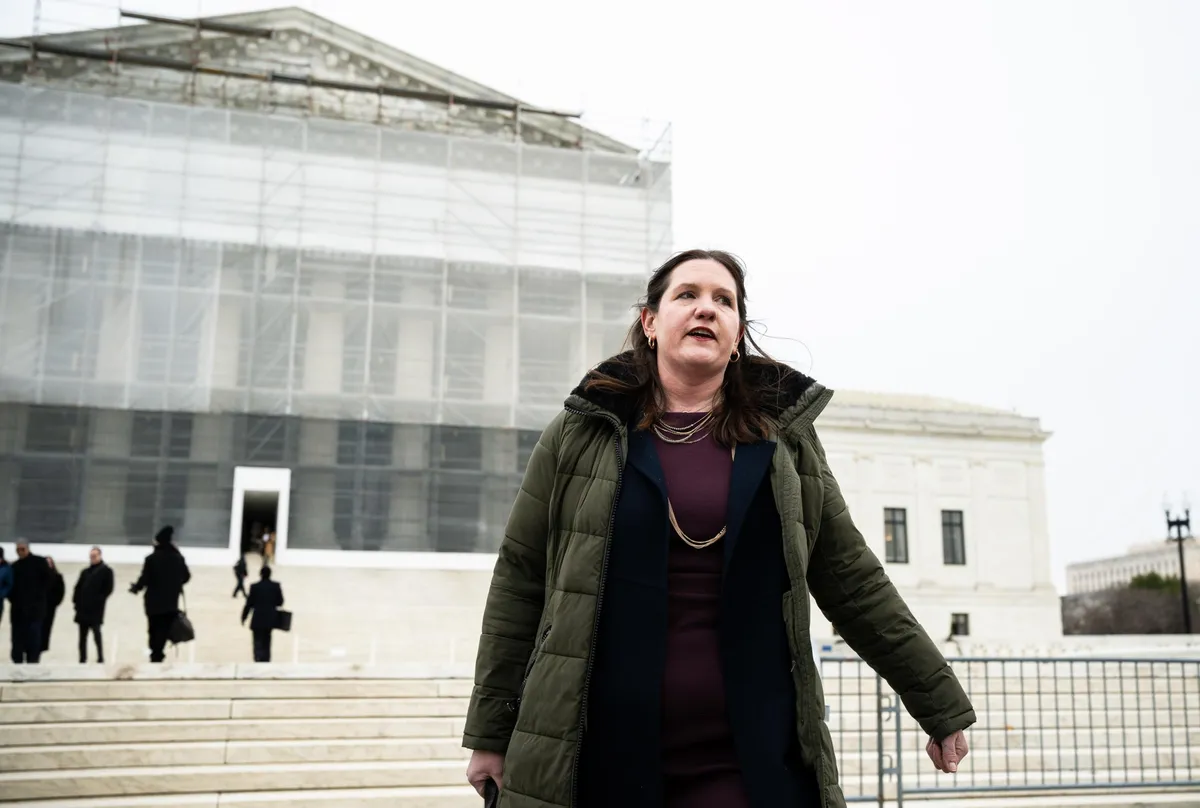
Rebecca Slaughter, the former FTC commissioner whose name is literally on the case, was photographed leaving the Supreme Court the day the decision landed. The image is kind of poetic in a grim way - someone who represented an independent regulatory check on corporate power, walking away from the building that just made her role legally precarious.
Why this actually matters (a lot)
Here's the thing that tends to get lost in the legal jargon: independent agencies exist because Congress decided, over decades, that some regulatory functions should be insulated from direct political pressure. The idea was that a president shouldn't be able to fire the head of the FTC just because they opened an investigation into a politically connected company.
That buffer just got a lot thinner.
Whether you think that's a feature or a catastrophic bug probably depends heavily on which side of the political aisle you're standing on. But regardless of your feelings about Trump specifically, the precedent now exists - and it doesn't go away when the next president moves in.
The cheat code has been entered. It stays in the game.