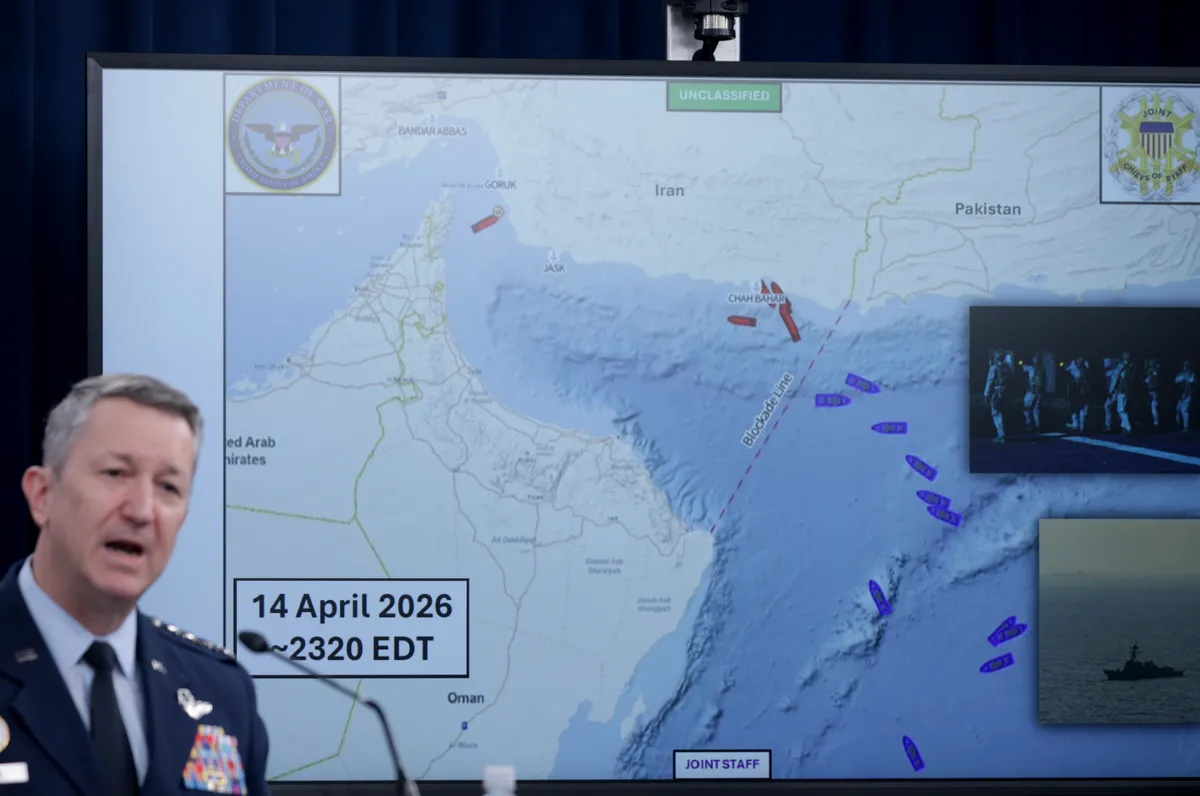
For over a month now, one of the most critical waterways in the world has been effectively shut down. The Strait of Hormuz - the narrow chokepoint connecting Gulf oil producers to the rest of the planet - has been closed, and the ripple effects on global energy markets are already significant. So why hasn't your weekly grocery run felt dramatically different?
Why the Strait of Hormuz matters so much
Think of the Strait of Hormuz as the jugular vein of the world's energy supply. A huge share of global oil flows through this narrow passage, meaning any disruption there doesn't just affect gas prices - it touches nearly everything that requires energy to produce, refrigerate, or transport. Which is, essentially, all of it.
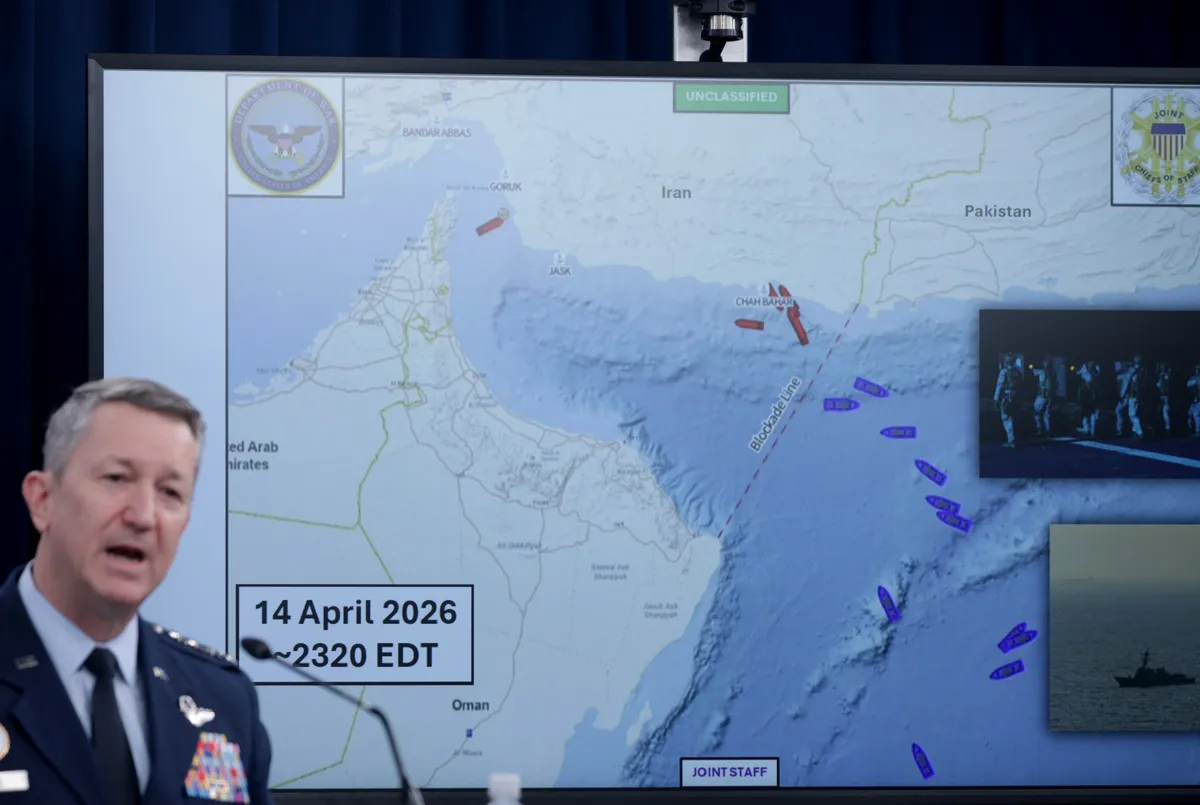
According to reporting from Vox, the closure has already throttled worldwide energy production and driven up costs at the source. The question of when - and how hard - that hits ordinary consumers is where things get interesting.
The buffer between crisis and your cart
The reason your grocery bill hasn't spiked dramatically yet comes down to a few stabilizing factors. Supply chains have built-in lag times. Energy costs take weeks or months to fully translate into higher prices for manufactured or transported goods. Retailers and producers also tend to absorb short-term cost increases before passing them on, hoping the situation resolves before they're forced to act.
But that buffer has limits. The longer the Strait remains closed, the more pressure builds at every link in the chain - from fuel costs for farming equipment and freight, to the energy-intensive processes behind food packaging and refrigeration.
What to watch for
If you want a leading indicator of what's coming, keep an eye on fuel prices and shipping costs rather than grocery store shelves. Those tend to move first. Processed and packaged foods, which require more energy-intensive production and longer supply chains, will likely feel the squeeze before fresh produce does.
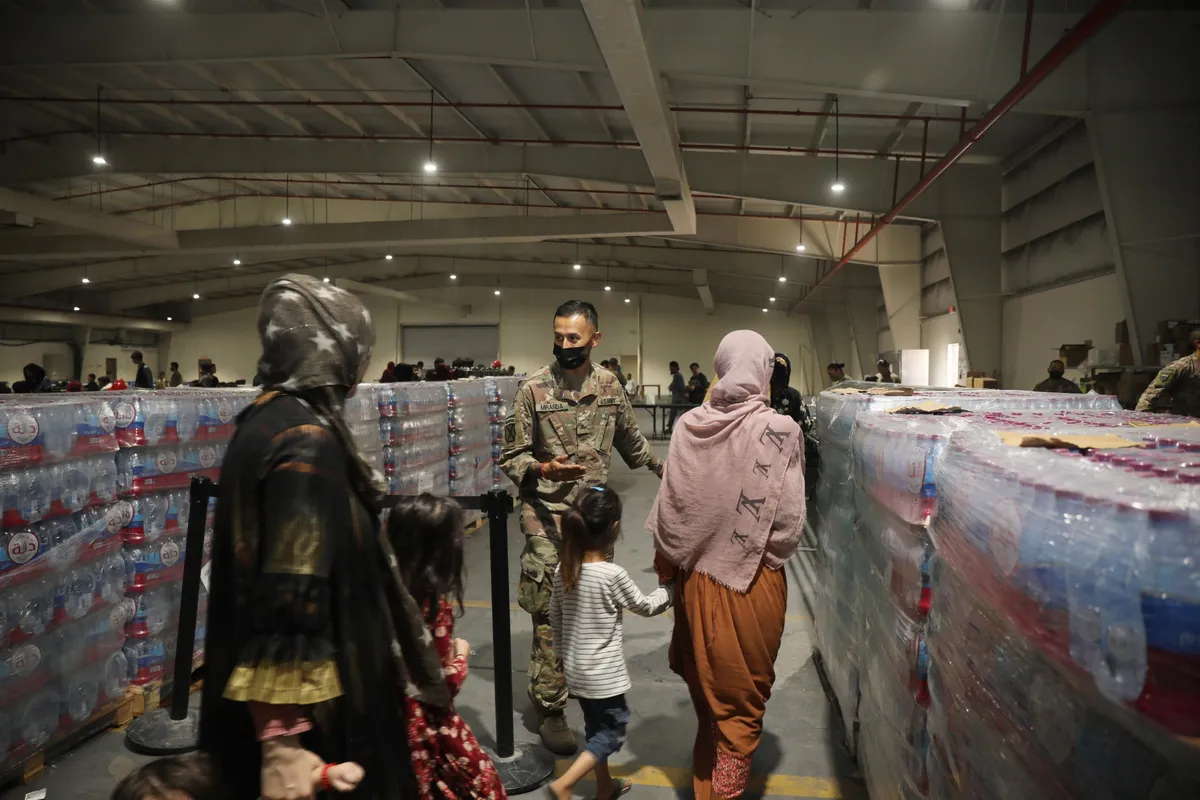
It's also worth remembering that food prices were already a sore spot for many households well before this latest crisis. Any additional pressure on top of existing inflation will be felt more acutely by people already stretching their budgets.
The takeaway
The situation in the Strait of Hormuz is genuinely serious, and its economic consequences are not hypothetical - they're already unfolding at the wholesale level. The relative calm at the checkout counter right now reflects timing and market mechanics, not immunity. If the closure continues, that calm is likely temporary.
For now, it's one of those situations where the storm hasn't quite reached your front door yet - but you can absolutely see it coming.