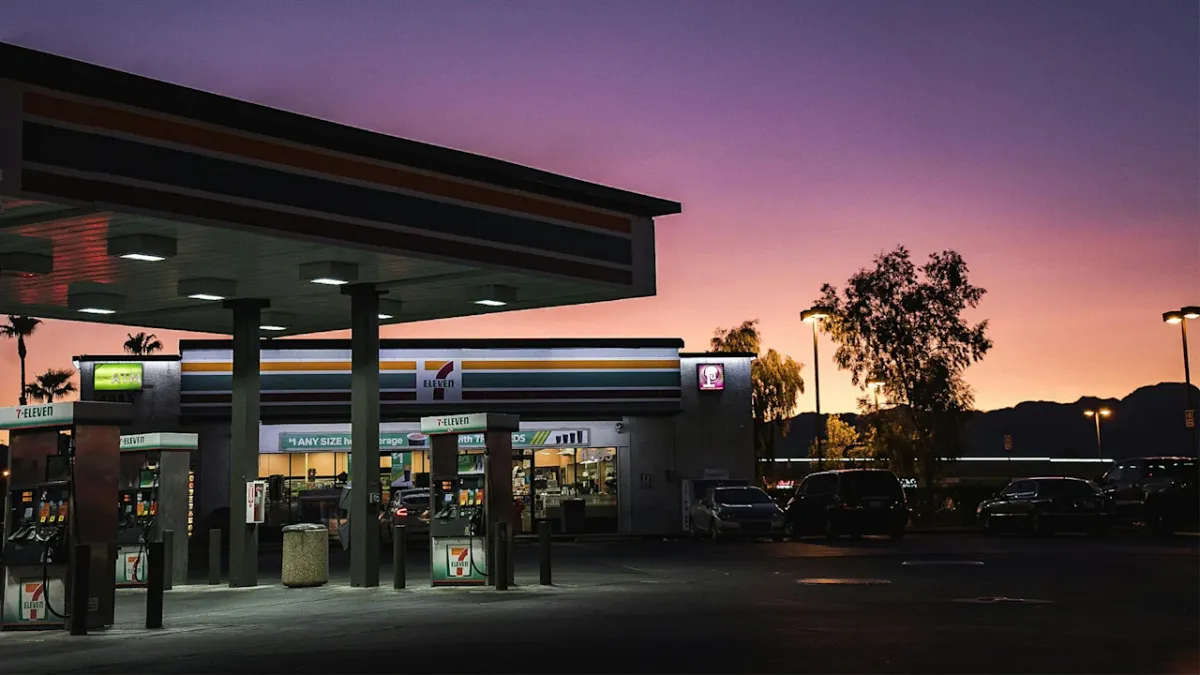
If your go-to late-night Slurpee spot has felt a little quieter lately, there might be a reason. 7-Eleven's Japan-based parent company, Seven & i Holdings, has confirmed plans to close hundreds of stores across North America over the coming year - and the list keeps growing.
The numbers
According to reporting by Fast Company, Seven & i Holdings outlined plans for 645 store closures in North America as part of its fiscal year 2025 summary. That's a significant culling for a chain that has long been a fixture of convenience culture across the continent.
Why is this happening?
The short answer: money. The closures are being driven by a push to cut costs and sharpen profitability - and there's a specific reason the timing matters. Seven & i Holdings has been working toward an initial public offering for its North American unit, though that IPO has reportedly been delayed. Streamlining the store count is part of making that business look as lean and attractive as possible to future investors.
It's a familiar playbook in retail. When a company is preparing to go public, trimming underperforming locations can make the overall numbers look healthier. Fewer stores, better margins - at least in theory.
What it means for everyday shoppers
For most people, a 7-Eleven closure is more of a minor inconvenience than a crisis. But it's worth paying attention to as a signal of where brick-and-mortar convenience retail is heading. The model that made 7-Eleven an icon - cheap snacks, long hours, a location on practically every corner - is under real pressure from delivery apps, grocery competition, and shifting consumer habits.
If you rely on a particular location, it might be worth checking whether it's on the chopping block. The full list of affected stores is being tracked and updated, so keeping an eye on local news is your best bet for now.
The bigger picture
This isn't just a 7-Eleven story. It reflects a broader reckoning happening across convenience and fast retail - businesses that thrived on foot traffic and impulse buys are having to rethink their physical presence in a world where so much of that behavior has moved online. Whether 7-Eleven's leaner model will pay off remains to be seen, but one thing is clear: the era of endless expansion is over, even for the brands that once seemed untouchable.