
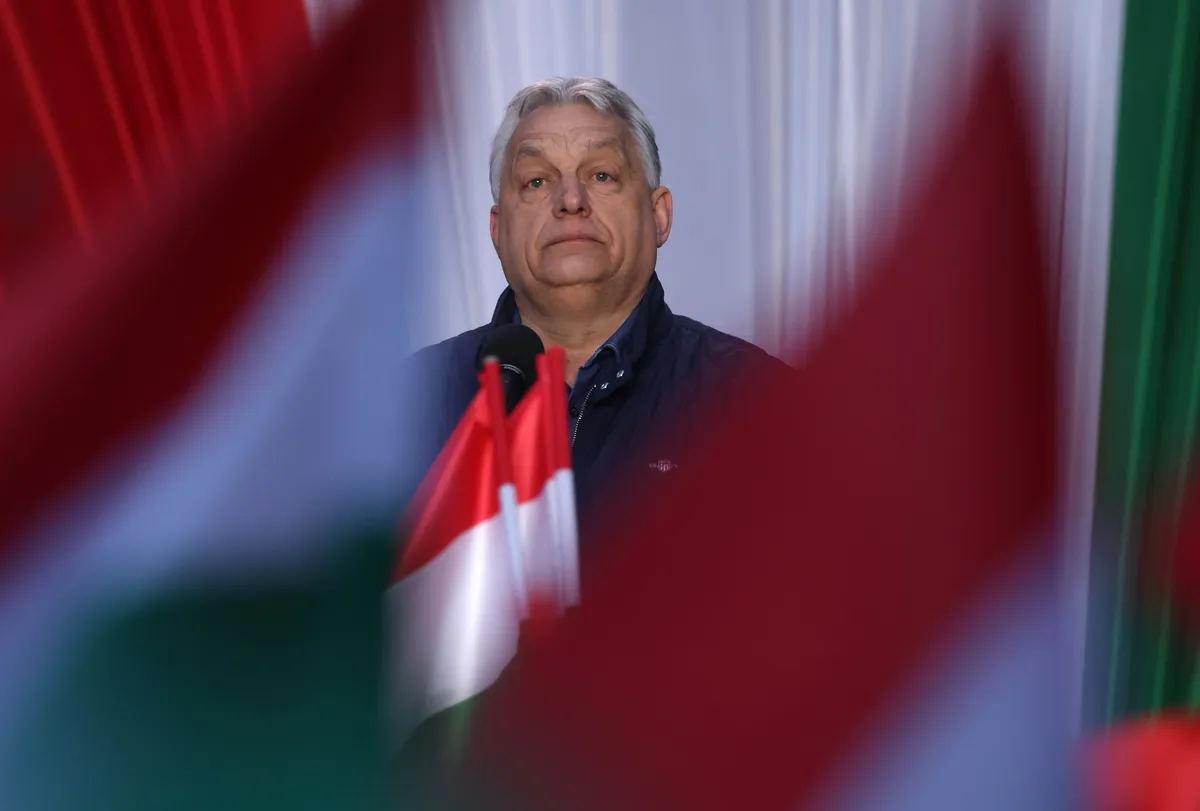
For two decades, Viktor Orbán seemed politically untouchable. He rewrote Hungary's constitution, packed its courts, choked its independent media, and became the darling of right-wing movements from Washington to Warsaw. Then, on a Sunday in April 2026, voters showed him the door.
Results from Hungary's parliamentary election confirm that Orbán's Fidesz party has been defeated by the opposition Tisza party, led by reformist challenger Péter Magyar. According to reporting by Vox, it's the first election Fidesz has lost in 20 years - and the implications reach far beyond Budapest.
Why this is a bigger deal than it sounds
Orbán wasn't just any European leader. He was, as Vox describes him, the EU's only genuine autocrat - someone who systematically dismantled democratic institutions while remaining technically within the bloc's borders. His survival year after year made him a proof of concept for a certain style of authoritarian populism: win elections, then use power to make it harder for anyone else to win.
That playbook has been studied and admired by far-right movements globally. Orbán cultivated close relationships with figures on the American right, making him something of a political pilgrimage destination for MAGA-aligned politicians and commentators. His apparent invincibility was part of the brand.

Now that brand has a serious crack in it.
Who is Péter Magyar?
Magyar and his Tisza party represent a rare thing in Hungarian politics - an opposition force that actually managed to unite and mobilize enough voters to break through a system that had been carefully engineered to keep Fidesz in power. That's no small feat given how thoroughly Orbán's government had reshaped electoral rules, media access, and public institutions over two decades.
What comes next
The practical challenges ahead are enormous. Unpicking 20 years of institutional capture - stacked courts, captured broadcasters, redrawn district boundaries - isn't something that happens overnight. Hungary's new leadership will inherit a state that was deliberately shaped to serve one party's interests.
But the symbolic weight of this result shouldn't be underestimated either. For everyone who believed that leaders like Orbán, once entrenched, simply couldn't be removed through the ballot box - this is a meaningful counter-example. Democratic backsliding isn't always a one-way street.
It's a moment that people watching politics across Europe, and honestly across the world, will be paying close attention to.