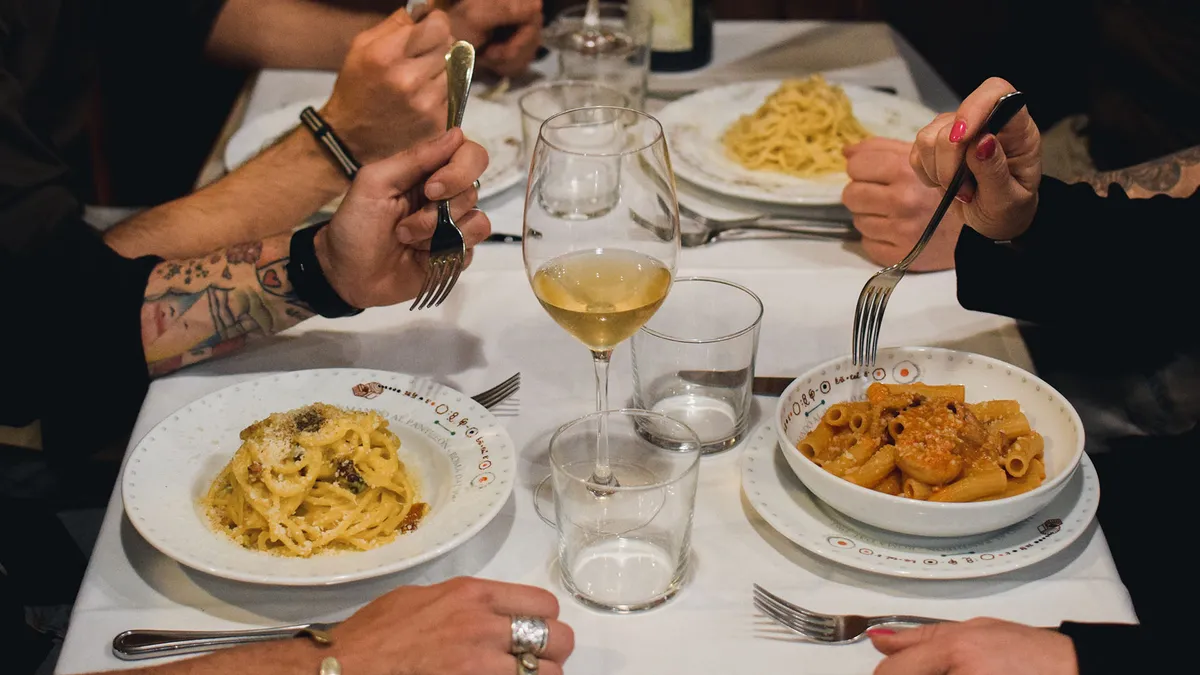
If you're heading to Rome and leaving your restaurant choices to chance, you're doing it wrong. Roman food is not just fuel between monuments - it's the whole point. The city's cuisine is as layered and historically loaded as its architecture, and knowing where to eat makes the difference between a forgettable pizza and a meal you'll be thinking about years later.
Why Roman food hits differently
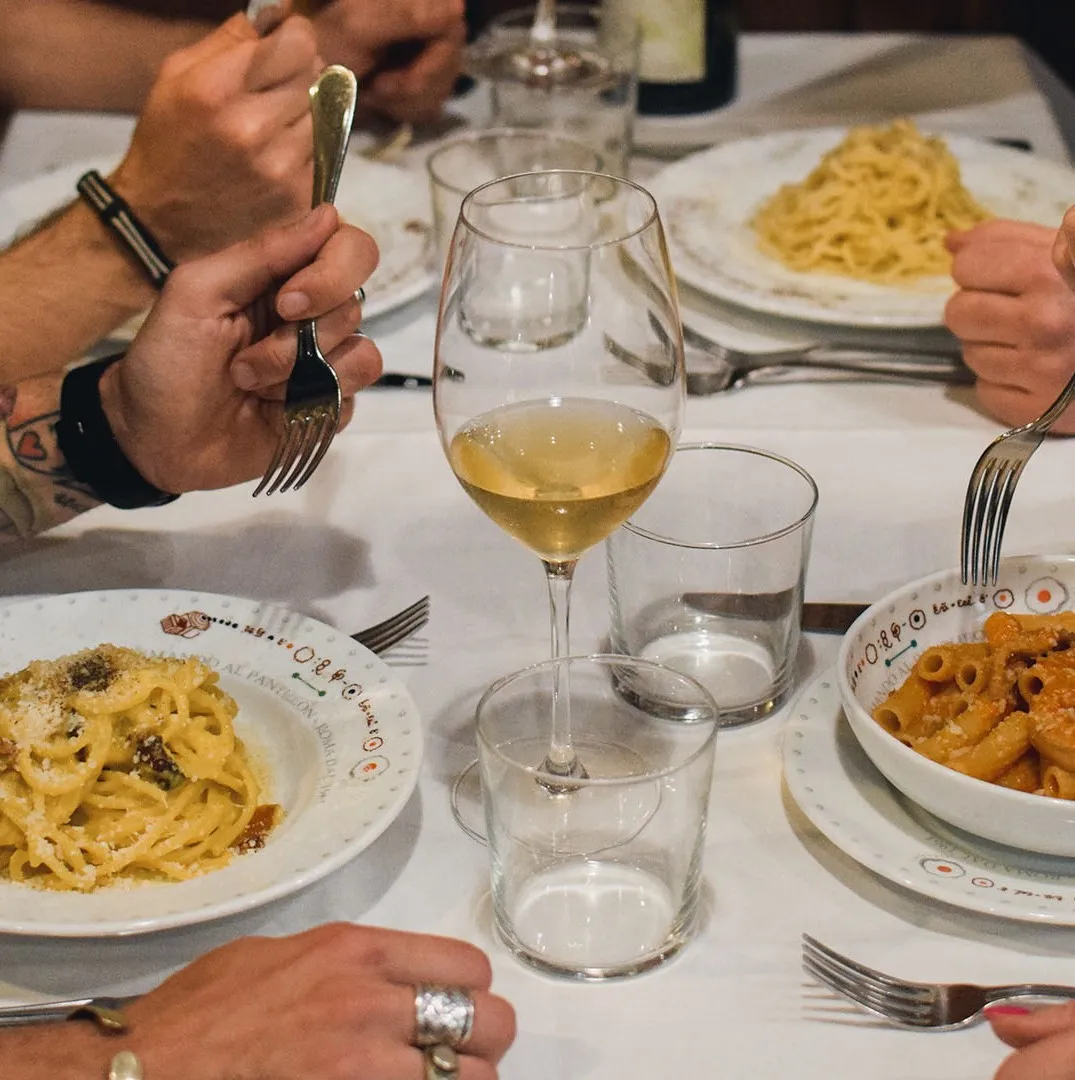
According to Eater's guide compiled with the help of a best-selling local cookbook author, Roman cuisine is shaped as much by history as it is by the hands currently in the kitchen. The city's most iconic dishes - cacio e pepe, carbonara, slow-roasted lamb - didn't just appear on menus. They evolved over generations, deeply tied to the rhythms of working-class Roman life.
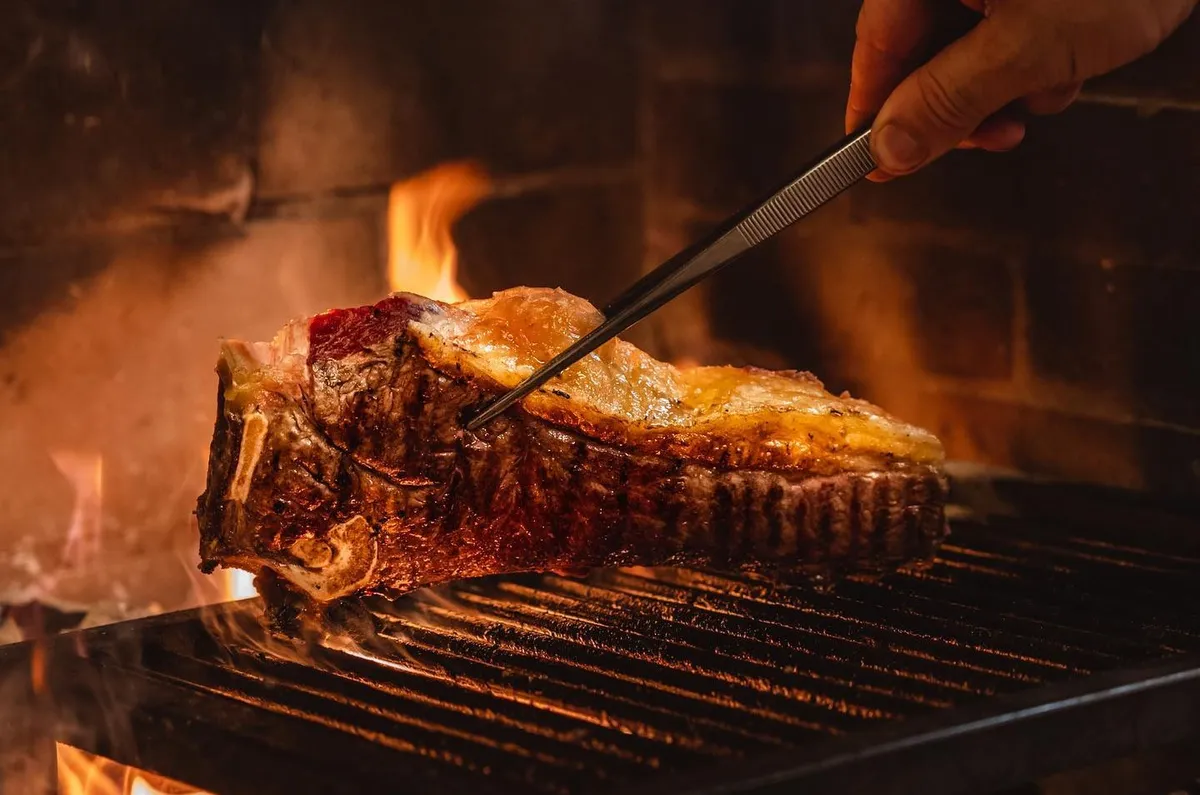
Some of the most celebrated specialties even trace their roots to Rome's historic slaughterhouse economy, known as the quinto quarto (the fifth quarter). The cuts that wealthier Romans wouldn't touch - offal, tripe, oxtail - became the foundation of a bold, no-waste culinary tradition that still defines the city's food identity today.
Family-run trattorias are still the gold standard
The guide makes a compelling case for gravitating toward family-run trattorias over flashier, tourist-facing spots. These are the places that have been serving the same dishes for decades, sometimes centuries, and where the recipes haven't been softened or simplified for outside tastes. The consistency alone is worth seeking out.
That's not to say Rome is stuck in the past. The city also has a vibrant contemporary dining scene that layers modern technique onto classic foundations - but even the more inventive spots tend to have deep respect for tradition baked in.
How to actually use this kind of guide
A list of 38 restaurants might feel overwhelming, but think of it as a toolkit rather than a checklist. Cross-reference your neighborhood, your budget, and what you're actually craving - a long Sunday lunch calls for something very different than a quick weekday pasta stop between sightseeing.

The real takeaway from this kind of insider knowledge is simple: Rome rewards the curious and slightly obsessed eater. Show up hungry, stay curious about where the food actually comes from, and let the city's culinary history do the rest.
You can explore the full list of recommended restaurants over at Eater.