Crete has long been the kind of destination that people return to again and again - and still feel like they've barely scratched the surface. Known in Greek as Megalo Nisi, or "the big island," it's so large and varied that choosing where to base yourself is genuinely one of the most important decisions you'll make before you arrive. Get it right, and the whole trip clicks into place.
Five regions, five very different holidays
According to Condé Nast Traveler, Crete divides into five distinct regions, each with its own personality and pull. That means you could visit twice - or five times - and have a completely different experience each time.
If wellness is your priority, certain areas are quietly becoming go-to destinations for high-end retreat-style resorts. Think cliff-edge infinity pools, locally sourced spa treatments, and the kind of stillness that actually resets your nervous system rather than just promising to.
For those with kids in tow, family-friendly rentals in some of the island's more sheltered coastal areas come stacked with amenities - private pools, easy beach access, and enough space that everyone gets a little breathing room. It's the kind of setup that makes a family holiday feel less like logistics and more like an actual holiday.

A wine scene worth paying attention to
One of the more exciting storylines happening on Crete right now is the reemerging viticulture scene. The island has ancient winemaking roots - some of the oldest in Europe - but for a long time its wine culture flew under the radar compared to regions like Santorini or the Peloponnese. That's changing. Local producers are reviving indigenous grape varieties and earning serious attention from the wine world, making certain inland and hillside areas genuinely worth exploring for food and drink lovers.
How to choose your base
The practical reality is that Crete's five regions feel quite different from one another in terms of pace, landscape, and infrastructure. The north coast tends to be better connected and more developed, while the south offers a wilder, more remote experience. The eastern tip draws visitors looking for something quieter and less touristy, while the west - including the area around Chania - blends old-town charm with some of the island's most stunning beaches.
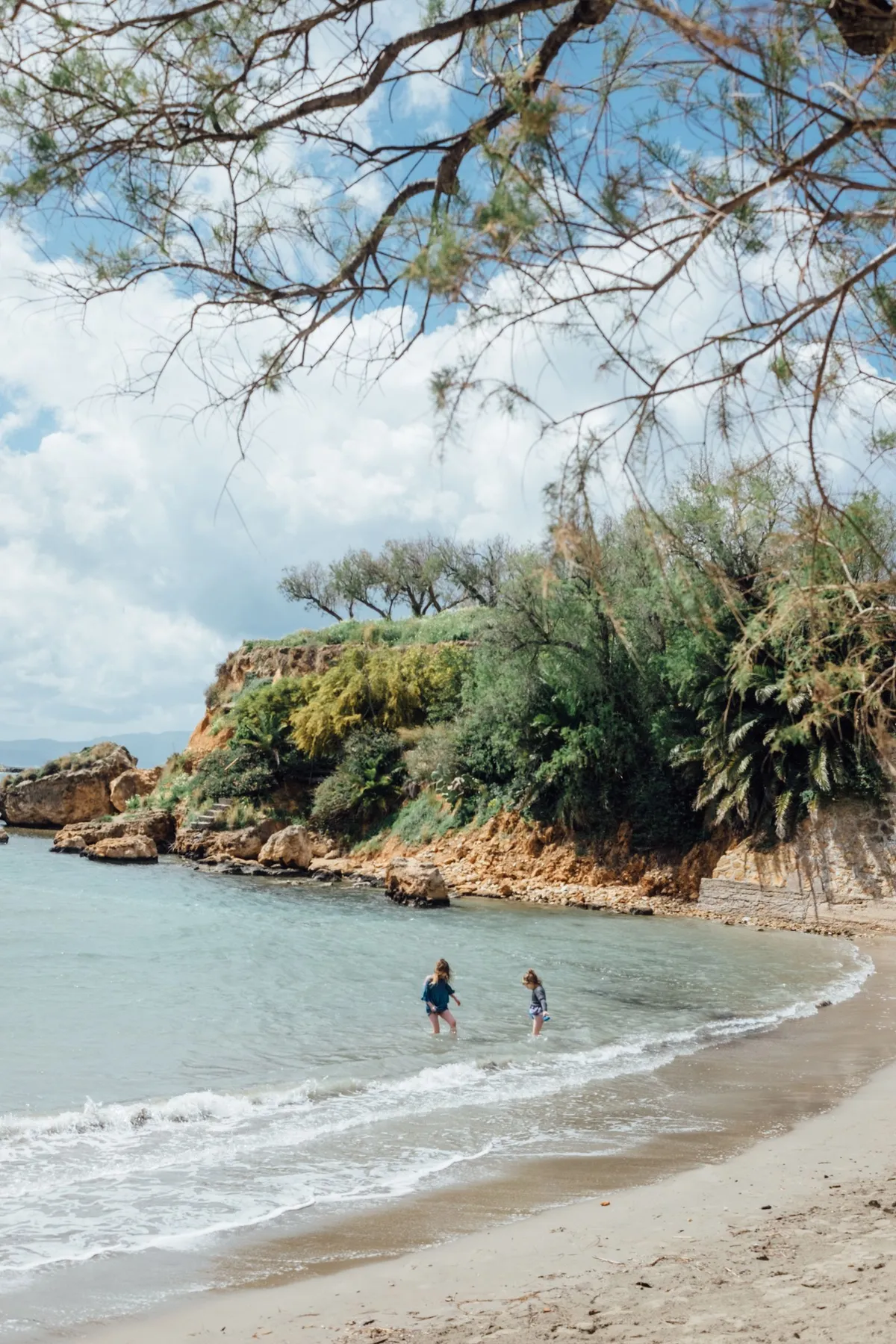
Rather than trying to cover everything, most travellers are better off picking one or two regions and going deeper. Crete rewards that kind of attention. It's a place where a slow morning at a local kafeneion or an impromptu detour to a gorge trail tends to outshine any itinerary you planned at home.
For a full breakdown of each region and specific accommodation picks, the original guide from Condé Nast Traveler is well worth a read before you book.