

If you think your job is stressful, consider this: there are people who go to work every single day knowing they will probably have to end a life before lunch. Not because they want to. Because the system leaves them no other choice.
A deep dive by Vox into the lives of animal shelter and animal control workers paints a picture that is equal parts heartbreaking and infuriating - and honestly, one that deserves a lot more attention than it gets.
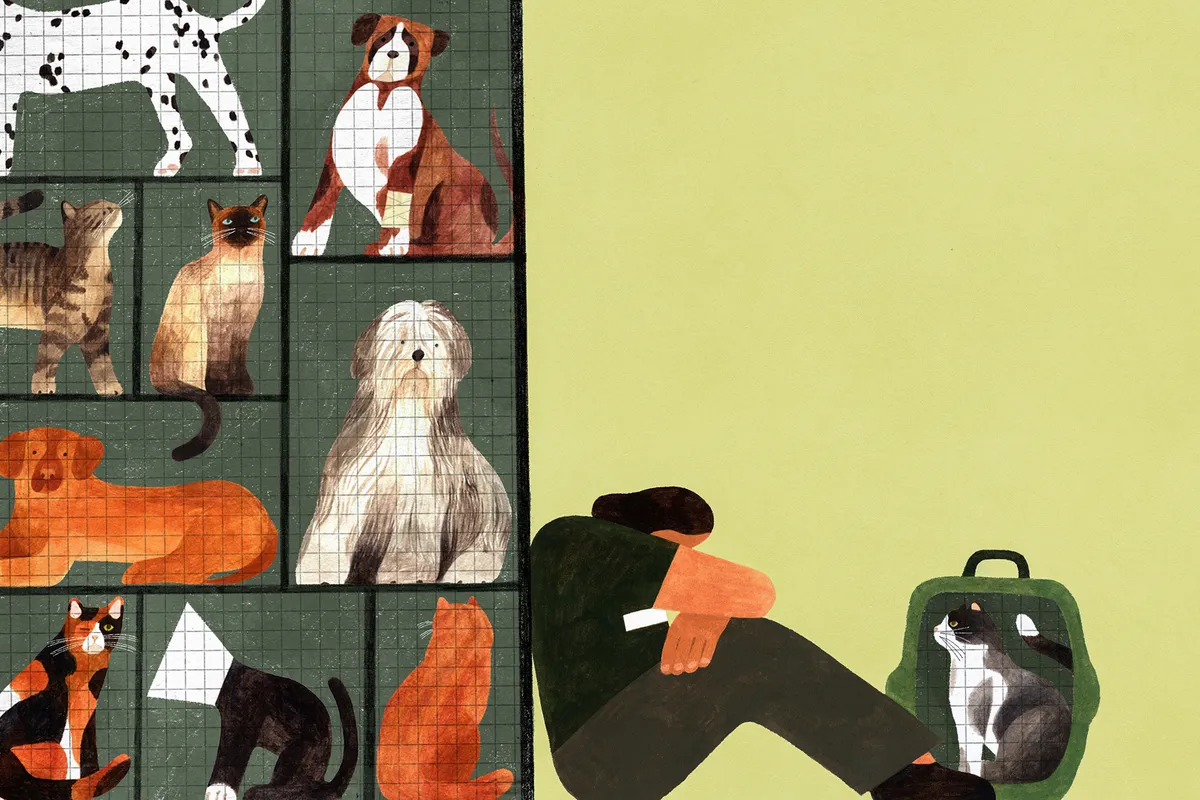
Meet Lauren, and please do not yell at her
Lauren spent nearly a decade as an animal control manager in North Georgia. That meant responding to cruelty cases, neglect investigations, dog attacks, and the kind of chaotic animal escapes that sound funny until you're the one dealing with them at 2am. Her passion for saving animals was real and total.
But passion has a breaking point. For Lauren, it came in early 2024 when she arrived at a man's property and found 27 hound dogs living outside, exposed and suffering. That kind of thing stacks up. Week after week, case after case, it stacks up in ways that don't just disappear when you clock out.

The thing nobody warns you about
There's a well-documented psychological phenomenon called compassion fatigue, and animal shelter workers are basically running a masterclass in it. You care so much, for so long, under such impossible conditions, that your capacity to cope starts quietly crumbling from the inside.
Add to that the reality of euthanasia - which many shelter workers are required to perform themselves, not because animals are sick, but because there simply is not enough space or resources - and you have a recipe for serious, chronic psychological harm.
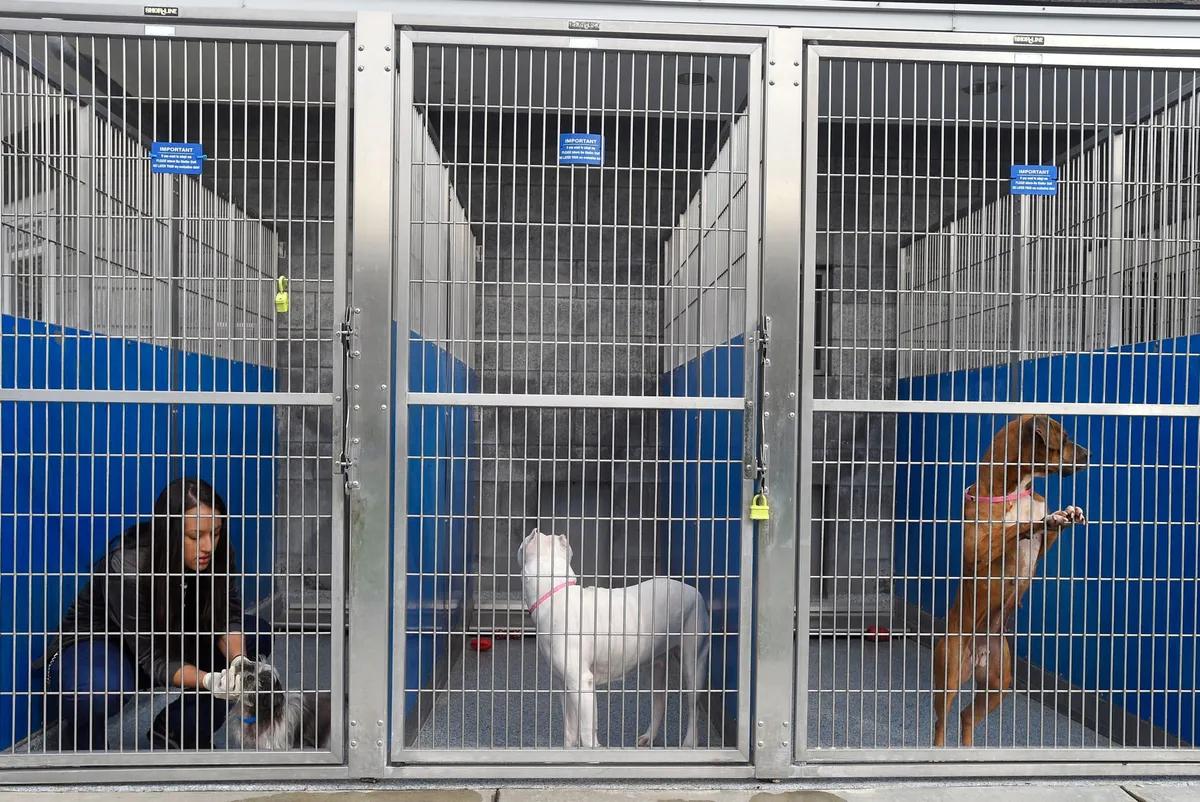
This is not a weakness thing. This is a structural thing. The workers are not the problem. The overpopulation crisis, the underfunding, and the public's complicated relationship with pet ownership are the problem.
Why this matters beyond the feels
High burnout rates in animal welfare mean experienced, skilled workers leave the field constantly. That creates a revolving door of undertrained staff, which ultimately means worse outcomes for the animals these workers are trying to save. It's a cruel irony the sector can't seem to escape.
The Vox piece is a genuinely important read - not just for animal lovers, but for anyone interested in how we treat the people we quietly rely on to do the hard, unglamorous work our society doesn't want to look at directly.
Maybe start by not sending angry emails to your local shelter. They're doing their best with what they've got. Which, more often than not, is nowhere near enough.