You know that awkward moment when someone asks to see your electricity bill and you suddenly become very interested in the ceiling? Yeah, data centers are about to live that moment - on a federal level.
According to TechCrunch, the U.S. Energy Information Agency (EIA) has announced that data centers will now be required to disclose the details of their energy consumption. This is a historic first, and honestly, it's about time someone asked the question out loud.

Why does this actually matter?
Here's the thing - data centers are basically the giant, humming, air-conditioned brains behind everything we do online. Every meme you've liked, every AI prompt you've typed at 2am asking for a sourdough recipe, every Netflix binge session - all of it runs through facilities that consume absolutely staggering amounts of power.
And until now, we've largely had to take the tech industry's word for it when they said they were being responsible about energy use. Which is a bit like letting a golden retriever guard your sandwich and trusting he won't touch it.

The transparency play
Requiring mandatory disclosure is a genuinely big deal in an industry that has historically been about as transparent as a data center server room - which is to say, locked, climate-controlled, and inaccessible to normal humans.
Now that the EIA is stepping in with a formal requirement, researchers, policymakers, and regular citizens will actually have real numbers to work with. You can't hold an industry accountable for its energy footprint if nobody knows what the footprint actually looks like.

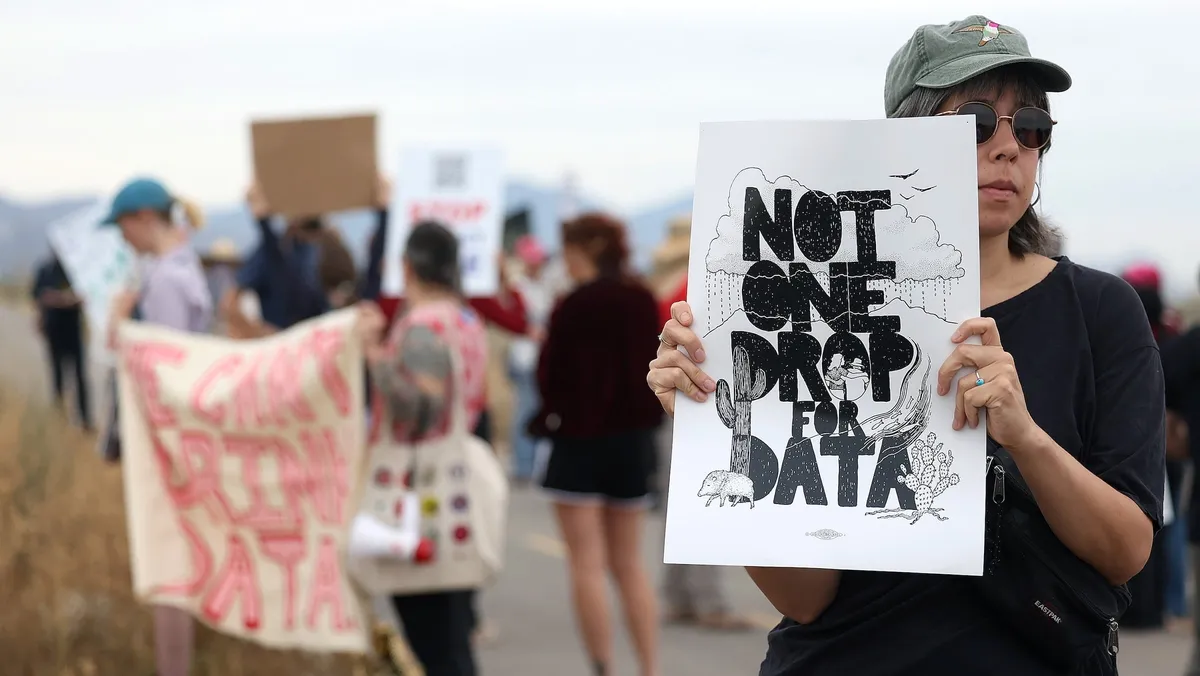
And with AI infrastructure expanding at a pace that would make even the most enthusiastic venture capitalist dizzy, the timing here is not exactly subtle. The energy demands of large language models and the data centers that house them have become a genuine geopolitical and environmental concern. Some estimates have painted a pretty alarming picture of just how power-hungry this stuff is - though until now, hard, verifiable data has been frustratingly hard to come by.
So what happens next?
Disclosure is step one. It's not a solution by itself, but it opens the door for actual policy conversations grounded in actual facts rather than vibes and PR statements. Think of it as turning the lights on before you try to clean the room.
Whether this leads to meaningful regulation, efficiency standards, or just a very interesting dataset that academics fight over for a decade remains to be seen. But asking the question - officially, with legal weight behind it - is not nothing. It's actually kind of a big deal.
Your electricity bill is no longer just your problem. Apparently, it never really was.