For as long as software has existed, there's been an unspoken arrangement: developers build the tools, and the rest of us just... deal with it. Don't like the interface? Tough. Need a feature that would actually make your job easier? Submit a ticket and wait three years. Want to change literally anything? Learn to code, peasant.
According to a piece over at The Verge, that era of digital feudalism might actually be coming to an end - and honestly, it's about time.

The gap nobody talked about
Here's the dirty secret of the software industry: the people building the tools have almost never been the people using them. Lawyers didn't build legal software. Doctors didn't build medical software. Churches definitely didn't build church management software. A bunch of well-paid developers did, making assumptions about what those users needed, and then moving on to their next project.
The result? Decades of software that technically works but feels like it was designed by someone who once read a Wikipedia article about your profession. Which, in fairness, is often exactly what happened.
So what's actually changing?
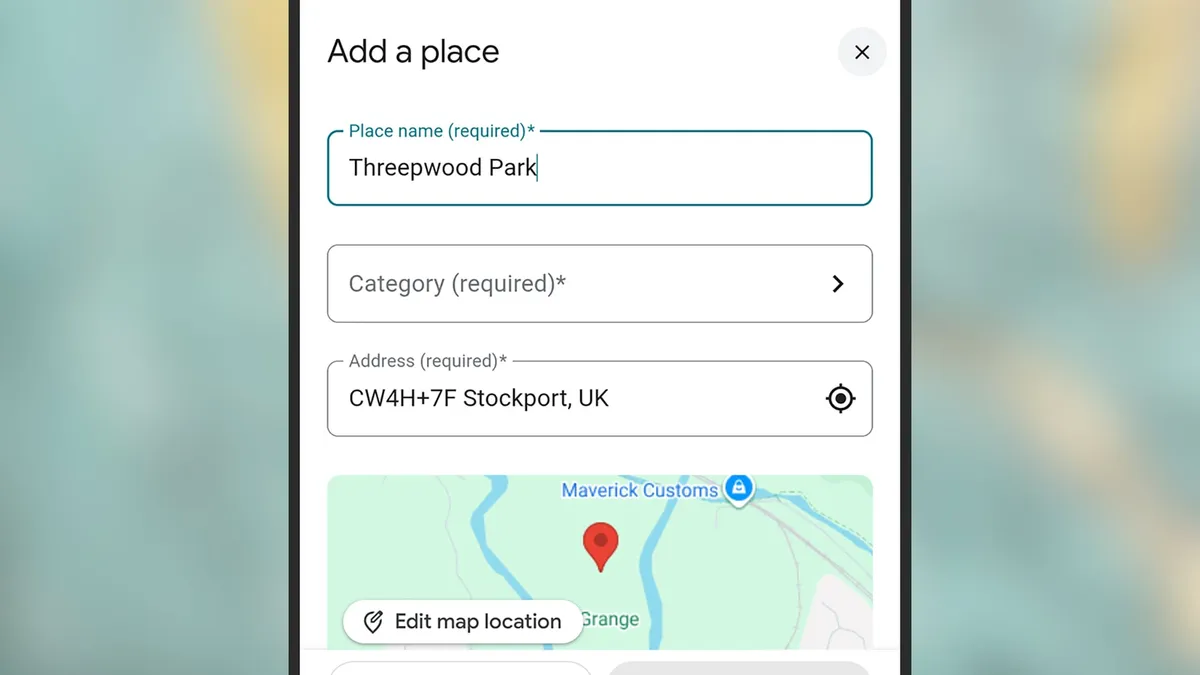
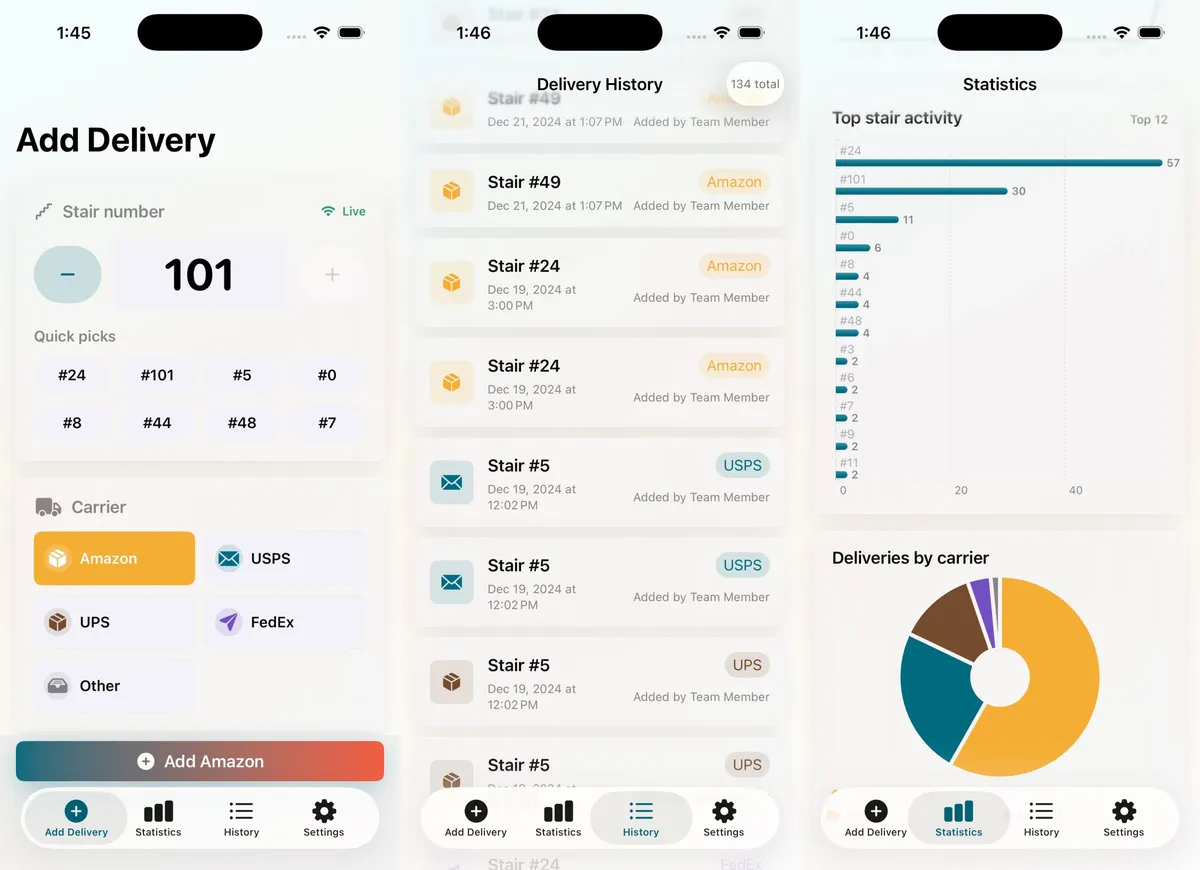
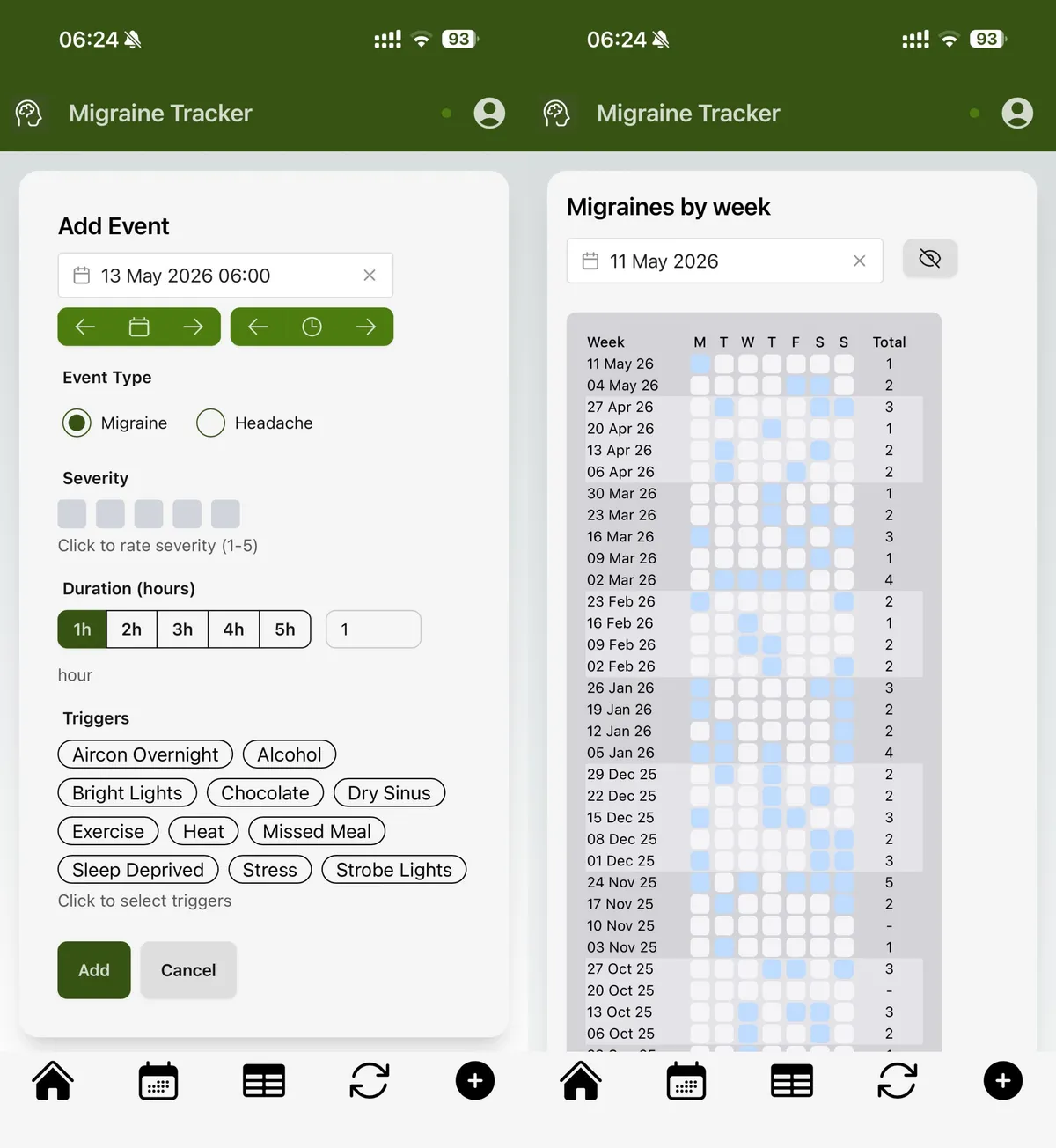
The emerging idea - sometimes called "vibe coding" in the more excitable corners of the internet - is that non-programmers are gaining the ability to build software that actually fits their needs. Not enterprise software. Not something that scales to a million users. Just... a thing that does exactly what you need, for you, without compromise.
Think of it like the difference between a bespoke suit and something off a rack. Off-the-rack works for most people most of the time. But if you've got specific needs, specific workflows, or just a very particular way of doing your job - why should you be forced to contort yourself around someone else's design decisions?
Why this actually matters
This isn't just a fun tech curiosity. The "features are the features" model has quietly shaped how millions of professionals work - and not always for the better. Software limitations become workflow limitations become productivity limitations. The tool starts dictating the process instead of the other way around.
The promise here is genuinely radical: that the gap between "what I need" and "what exists" could finally start to close. Not because giant software companies suddenly got better at listening, but because individuals might stop waiting for them to.
Whether this revolution actually arrives for your average lawyer or doctor or overwhelmed church administrator remains to be seen. But the idea that software should serve its users - rather than the other way around - is long overdue for a comeback.