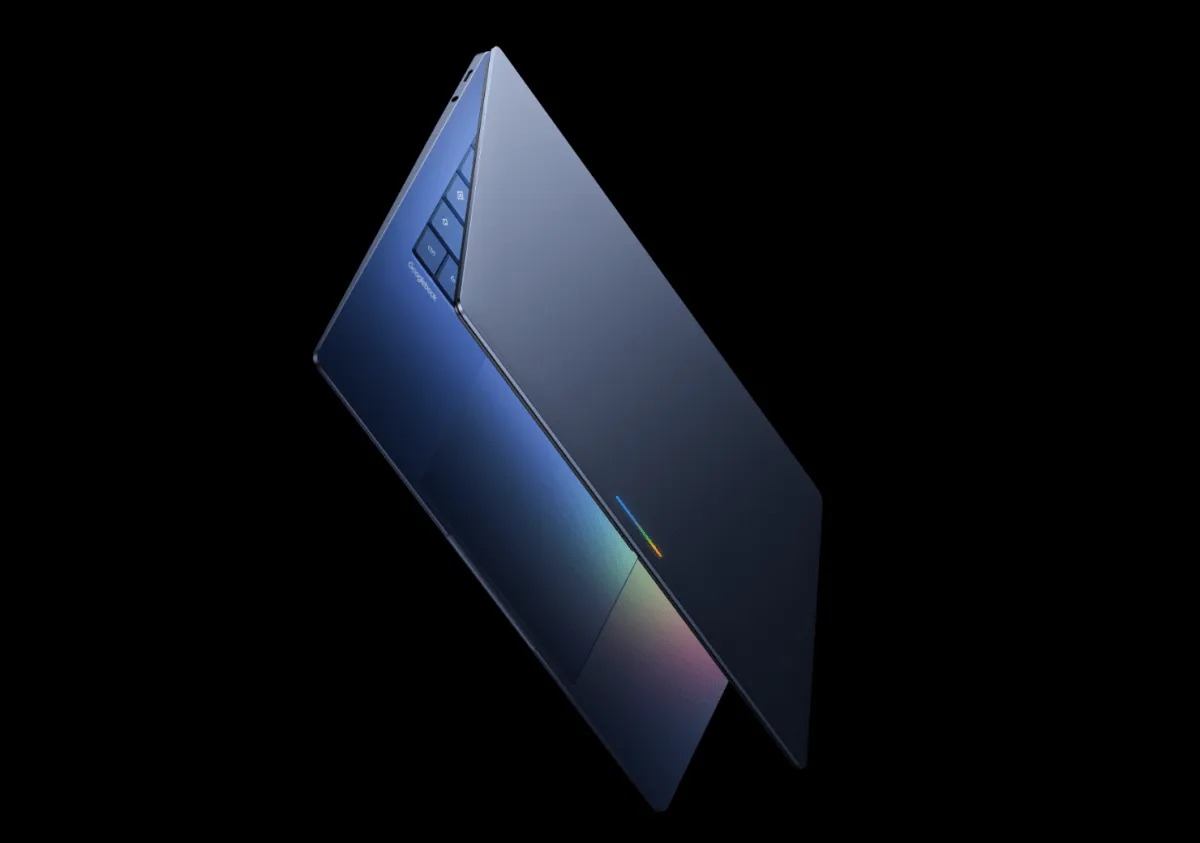
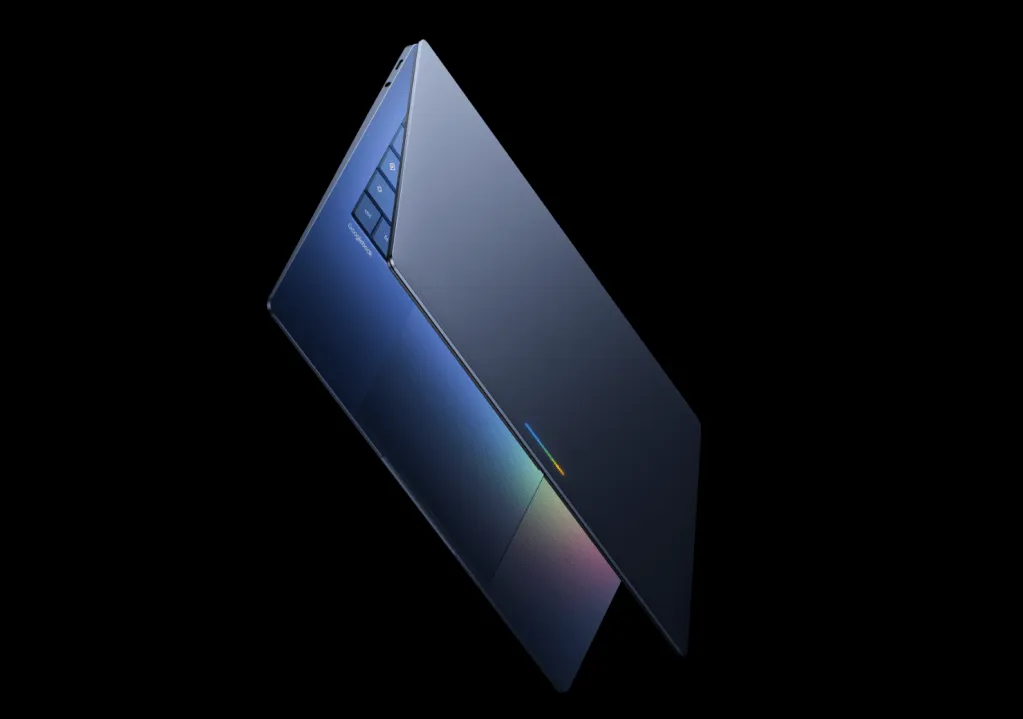
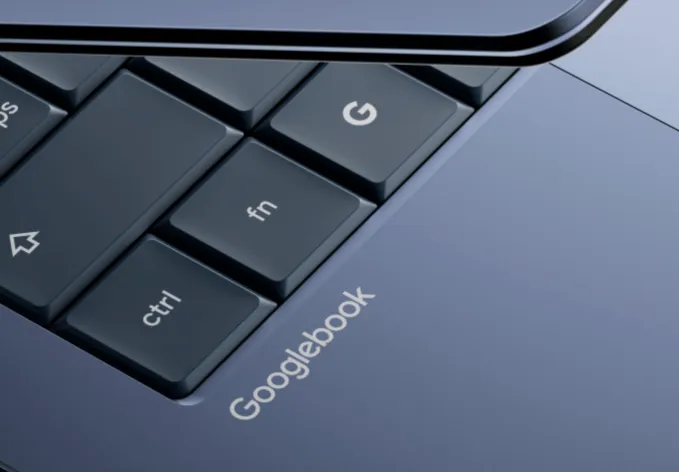
Google has done it. They looked at the entire English language, surveyed the rich landscape of possible product names, and landed on... Googlebook. Googlebooks, plural. We are living in a society.
Name discourse aside, the announcement is actually kind of a big deal. According to TechCrunch, Google is launching a new line of laptops this fall that it claims are the first to be designed from the ground up specifically for AI - not bolted on after the fact, not a software update slapped onto existing hardware, but genuinely built around Gemini intelligence from the very first sketch on the whiteboard.
So what does 'AI-native' actually mean here?
Google is pitching Googlebooks as machines that offer what it calls 'personal and proactive help' through Gemini. That's a loaded phrase. Proactive, in tech speak, usually means the software does things before you ask - anticipating what you need, surfacing information, nudging you toward whatever Google thinks you should be doing next.
That's either incredibly useful or mildly terrifying, depending entirely on how much you trust a company that makes most of its money from knowing things about you.
Why this matters beyond the name trauma
The laptop market has been in a weird place. Chromebooks carved out a niche for cheap, browser-based computing. MacBooks dominate the premium end. Windows machines are everywhere but rarely exciting. And every manufacturer has been frantically stickering the word 'AI' onto products that are, functionally, the same as last year's models.
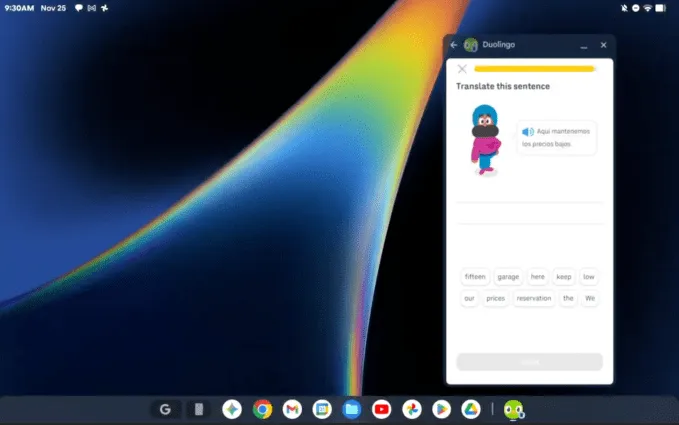
A laptop actually architected around AI workloads - with hardware and software co-designed to run Gemini efficiently - is a genuinely different proposition. If Google pulls it off, it could make the Googlebook the first machine where the AI stuff actually feels native rather than like a party trick buried three menus deep.
That's a big if, of course. We've heard the 'designed from the ground up' pitch before. But with Gemini increasingly central to Google's entire business strategy, there's real incentive to get this right rather than ship something embarrassing.
The fall launch gives Google time to either nail it or quietly rebrand
Launching in fall means we're still a few months away from anyone actually getting hands-on time with these things. Which is convenient, because it gives Google time to refine the experience - and, perhaps, reconsider whether 'Googlebook' really needs to be the name we all say out loud at the coffee shop.
Jokes aside, this is worth watching. AI-native hardware is the next real battleground in personal computing, and Google has the model, the ecosystem, and apparently the audacity to go first.