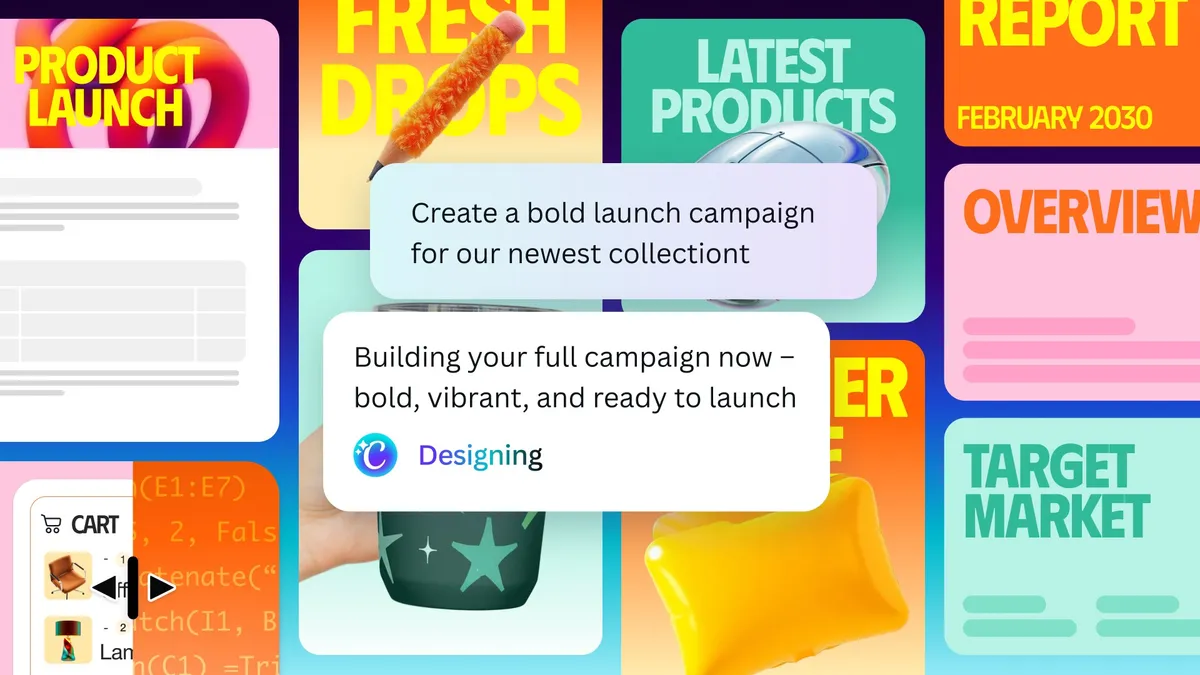
If you've ever stared at a blank canvas (pun intended) and wished you could just describe what you want instead of figuring out how to build it, Canva's latest update is basically designed for you.
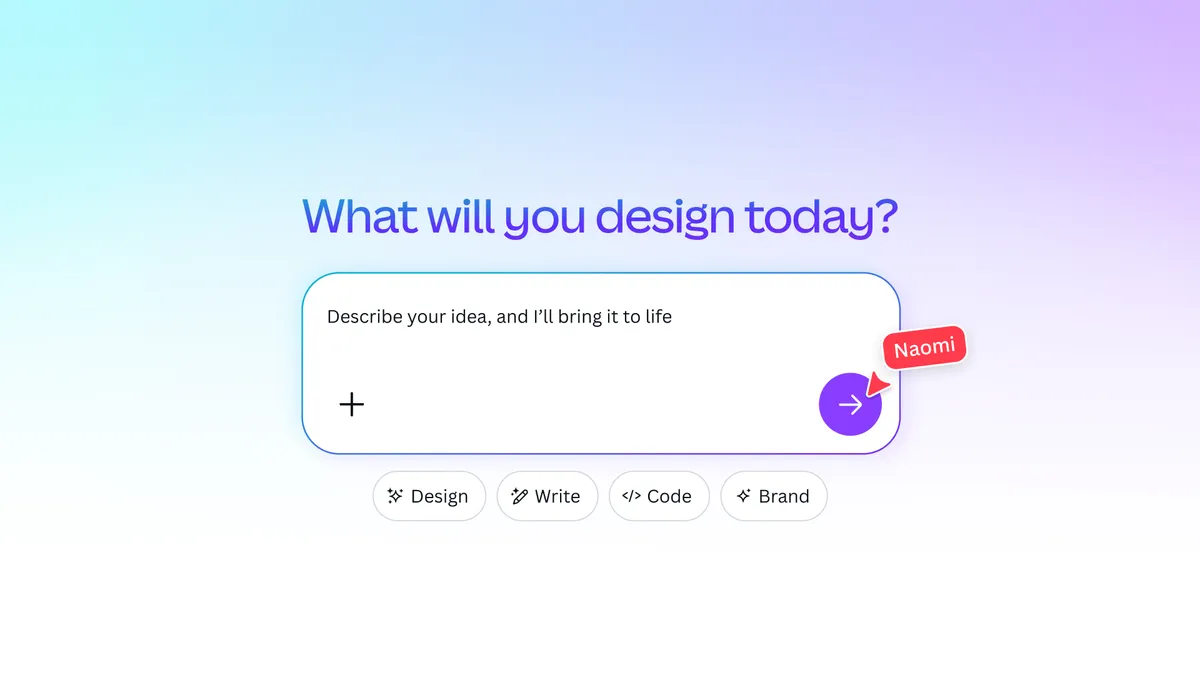
The popular design platform has rolled out what it's calling Canva AI 2.0 - a significant overhaul of its tools and workspace that doubles down on prompt-powered creation. The big idea? You tell Canva what you want in plain language, and the AI handles the heavy lifting to make or adjust your designs accordingly.

What's actually new here
The update introduces a new orchestration layer that sits across Canva's AI models, giving both everyday creators and marketing teams a more unified, intelligent experience. Rather than jumping between disconnected tools, users can now work through a single AI assistant that understands context and intent - describing a design direction and watching it come to life without needing to touch every individual setting manually.
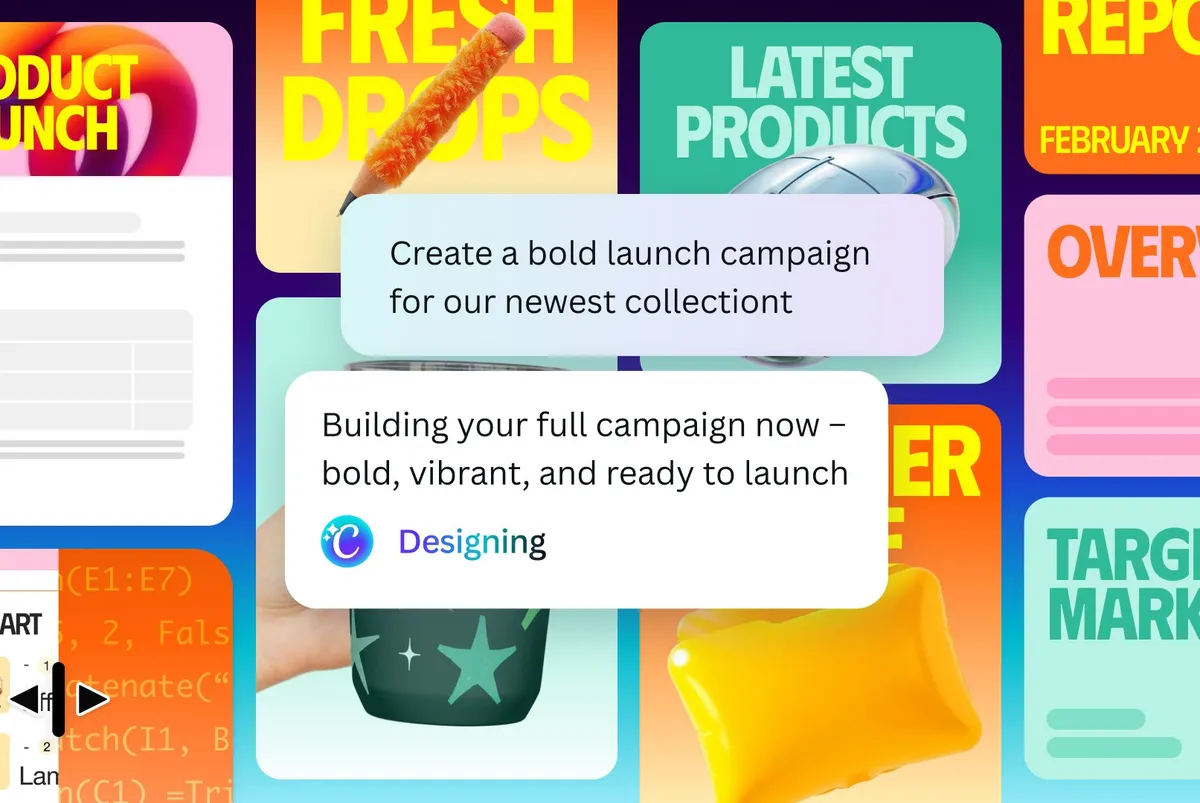
This kind of prompt-based editing isn't entirely new to the design world, but Canva's version is notable because of the sheer scale of people already using the platform. When a tool this widely adopted gets meaningfully smarter, the ripple effect on how people actually create content day-to-day is real.
Why this matters beyond the feature list
Canva has always positioned itself as the tool that makes design accessible - the answer to "I'm not a designer but I need this to look good." With AI 2.0, the platform is pushing that mission further, essentially arguing that the barrier to creating polished, professional content should be as low as knowing what you want.
For marketers, small business owners, content creators, and really anyone who regularly needs to produce visual work without a dedicated design team, that's a genuinely compelling pitch. The goal, according to reporting from The Verge, is for Canva to become a centralized hub for AI-powered content creation - not just a place you visit for a quick social graphic, but a full workspace where ideas turn into finished assets with minimal friction.
Whether it fully delivers on that ambition remains to be seen, but the direction is clear. Design tools are getting conversational, and Canva is betting that describing your vision is about to become just as natural as dragging and dropping it.