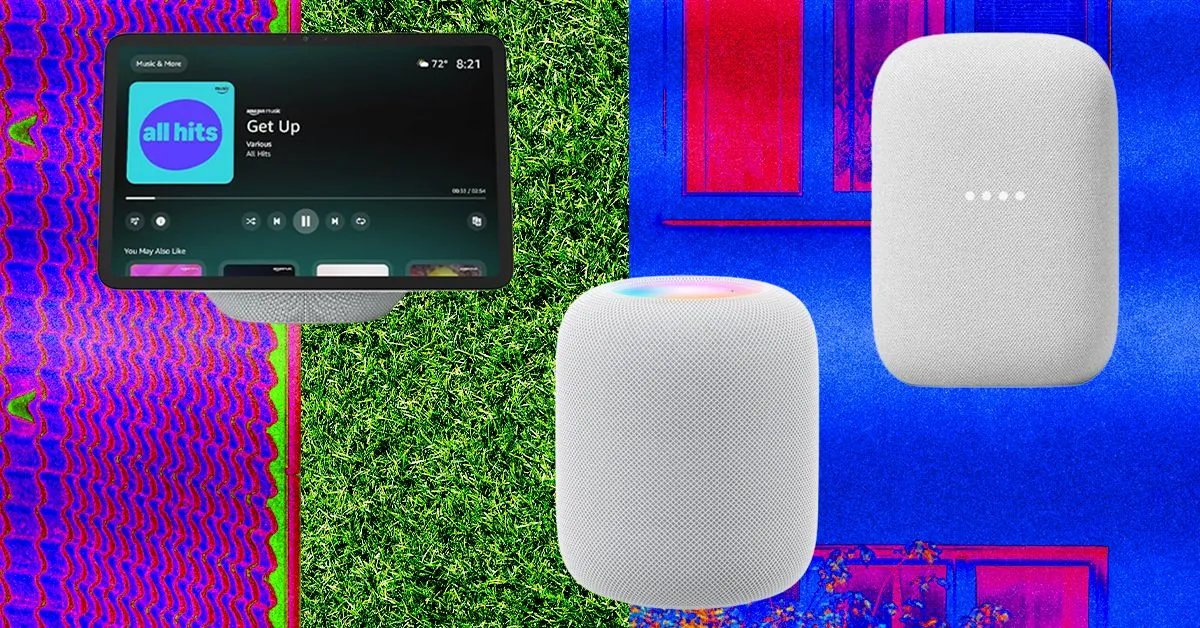
If you've ever stood in the smart home aisle of an electronics store feeling completely overwhelmed, you're not alone. The choice between Alexa, Google Home, and Apple's HomeKit ecosystem is one that paralyzes a lot of people - and leads plenty of others down expensive, frustrating rabbit holes of incompatible devices.
But according to WIRED's 2026 smart home ecosystem guide, the decision might be simpler than you think. The key is to start with what's already in your life.
Your devices are already telling you something
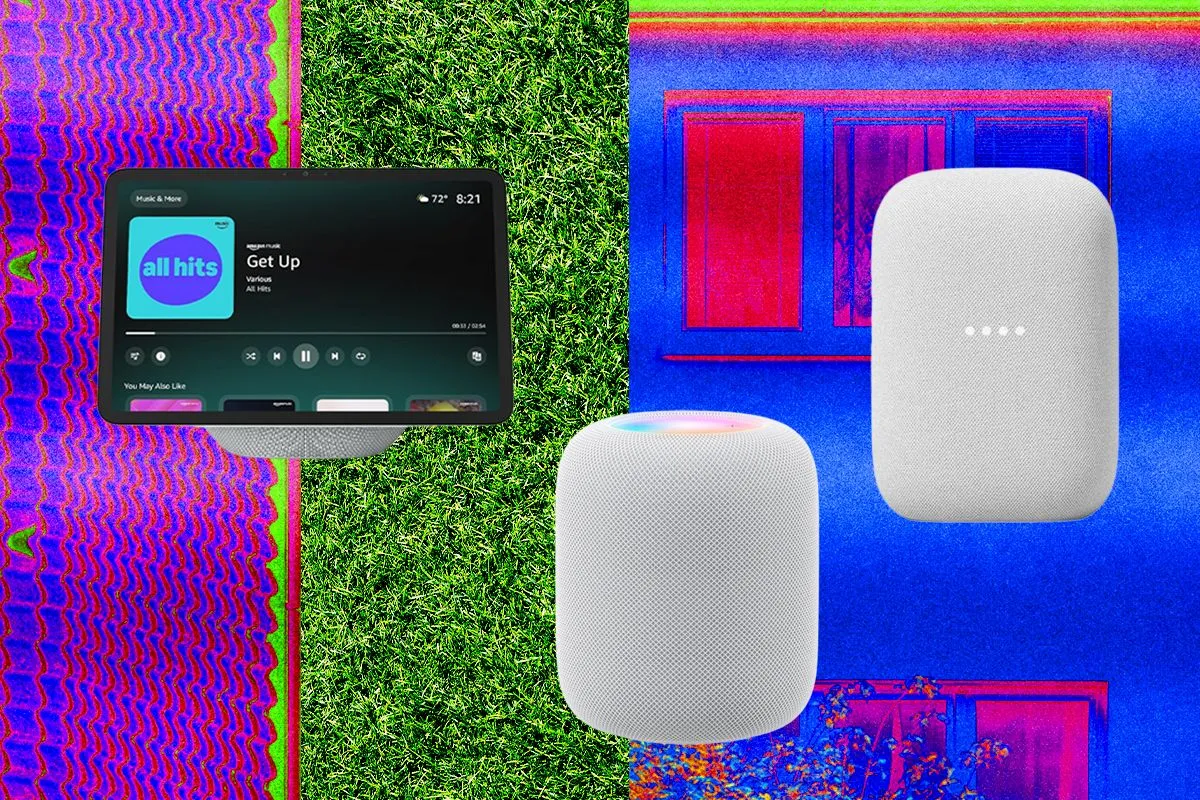
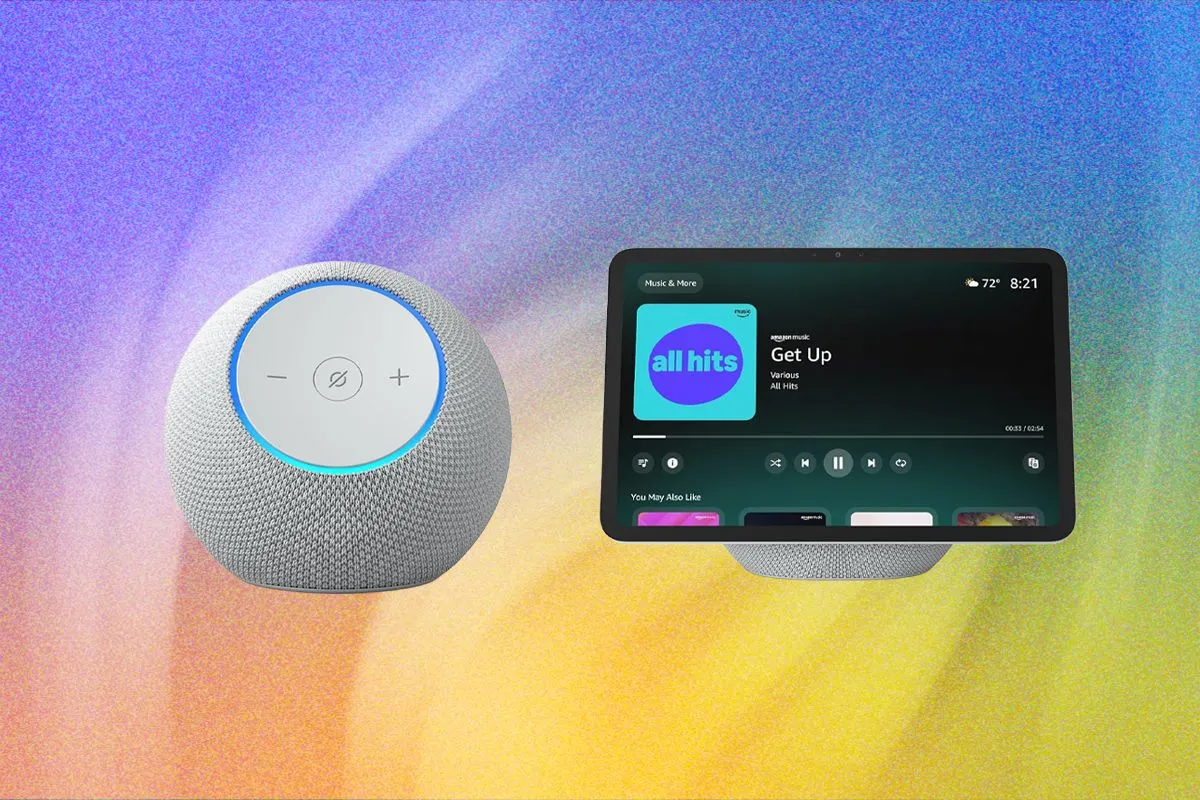
If you're an iPhone loyalist with a MacBook on your desk and AirPods in your ears, HomeKit and Siri are a natural fit. If your household runs on Android phones and you're deep into Google's suite of apps, Google Home is likely to feel the most seamless. And if you're somewhere in between - or just want the widest device compatibility and the most established smart speaker lineup - Alexa has long been the crowd-pleaser for a reason.
The point isn't that one ecosystem is objectively better. It's that switching costs are real. Locking yourself into a platform that fights against your existing habits and devices creates friction, and friction is the enemy of actually using your smart home setup.
Why this matters more now than ever
Smart home tech has matured significantly. The novelty of asking a speaker to play music has given way to genuinely useful automations - think lights that adjust based on time of day, thermostats that learn your schedule, and security cameras that talk to your doorbell. The more integrated your ecosystem, the more these features actually work together rather than just coexisting.
That's why the ecosystem question has become so important. It's no longer just about which voice assistant you prefer. It's about which platform will let all your devices - current and future - operate as a cohesive system rather than a collection of apps.
A few things worth keeping in mind
- Matter, the newer universal smart home standard, is making cross-platform compatibility better - but it's not a magic fix for everything yet.
- If you rent or move frequently, consider how portable your setup is before going all-in.
- Start small. One or two devices in a single ecosystem tells you a lot about whether you'll enjoy living with it.
The bottom line, as WIRED lays out, is that the best smart home is the one you'll actually use - and that usually means the one that requires the least amount of mental overhead to operate. Start with your phone. Go from there.