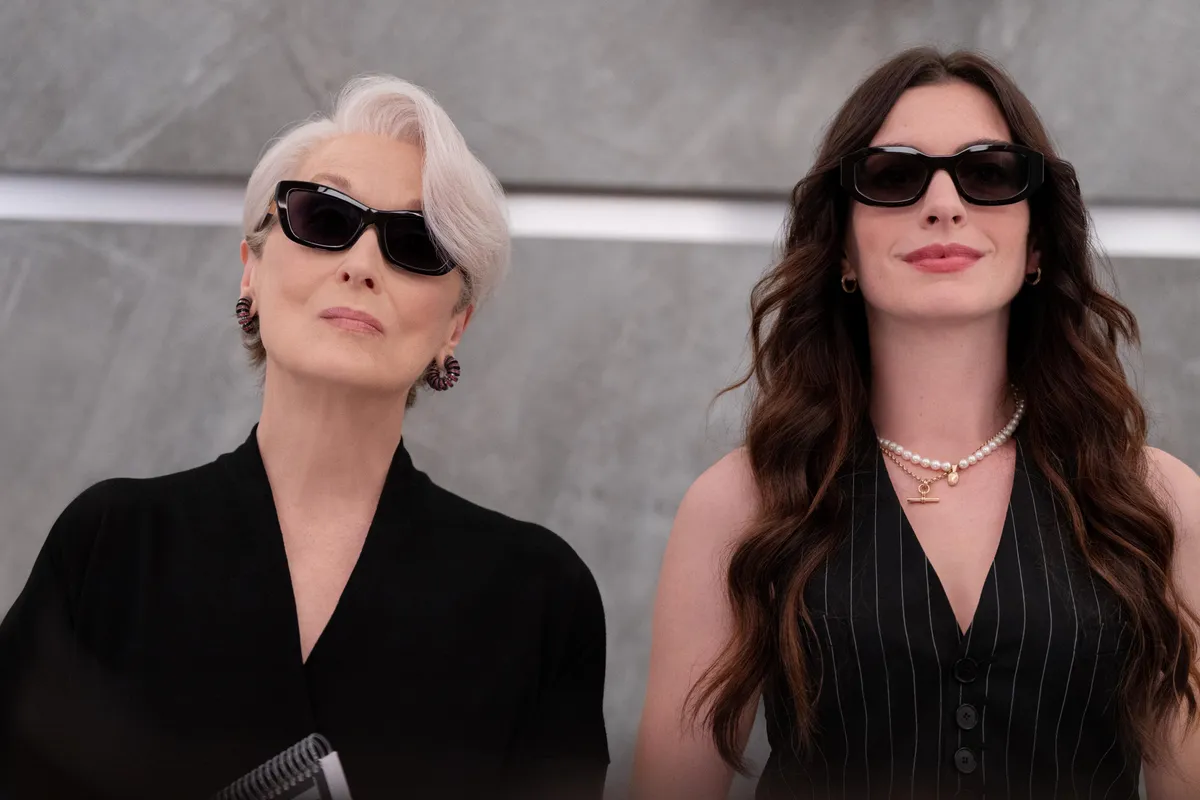
Few films captured a specific millennial anxiety quite like The Devil Wears Prada. Released in 2006, just before the financial crisis reshaped everything we thought we knew about ambition and hard work, it told a story that felt both aspirational and quietly unsettling. Now, nearly two decades later, the sequel is here - and according to Vox's coverage, it's doing something genuinely interesting: running on millennial optimism while digging up brand new evils to confront.
Why the original still hits so hard
The first film was, at its core, a fairy tale about meritocracy. Andy Sachs (Anne Hathaway) believed that if she could just crack the code - dress the right way, work hard enough, earn the approval of the terrifying Miranda Priestly - she could build the career and life she deserved. It was a fantasy rooted in a very specific moment, when that kind of bargain still felt plausible to a generation just entering the workforce.
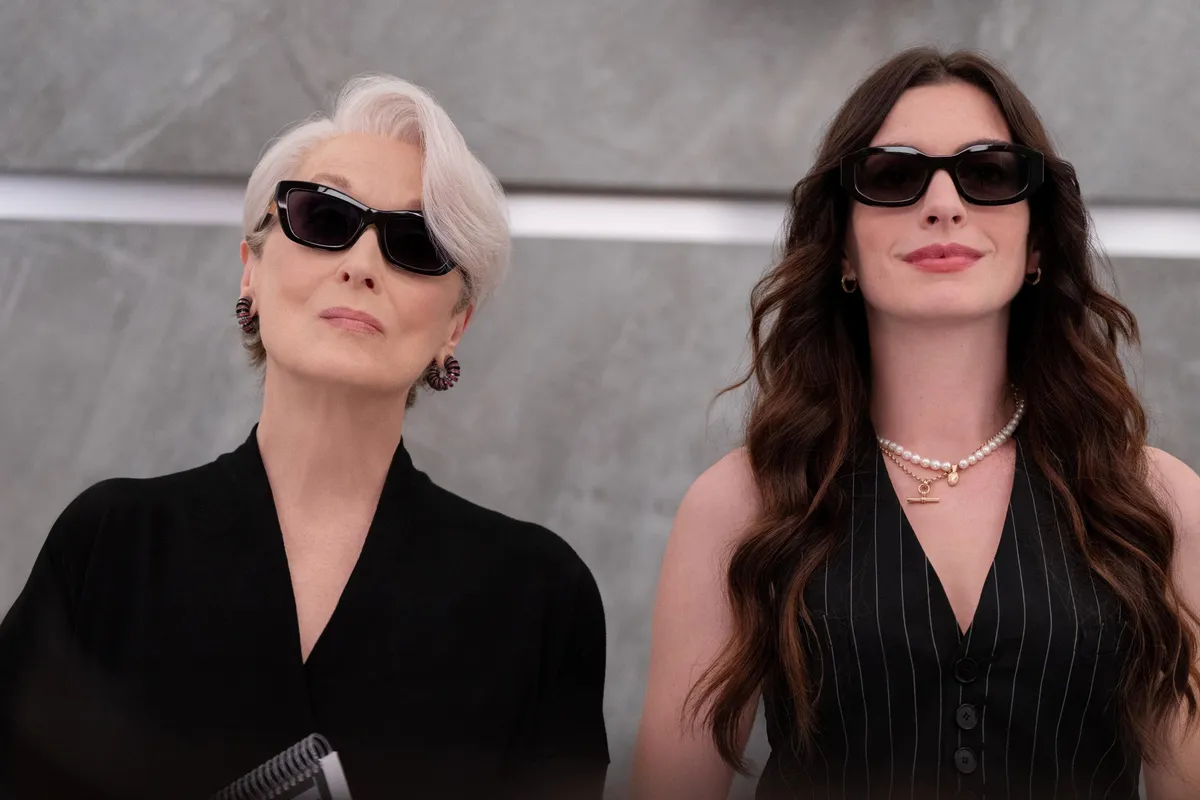
Based on Lauren Weisberger's novel, itself inspired by her time working for Anna Wintour at Condé Nast, the story was always a love-hate letter to the fashion and media industries. Glamorous, yes. But also deeply aware of the cost.
The sequel's sharper edge
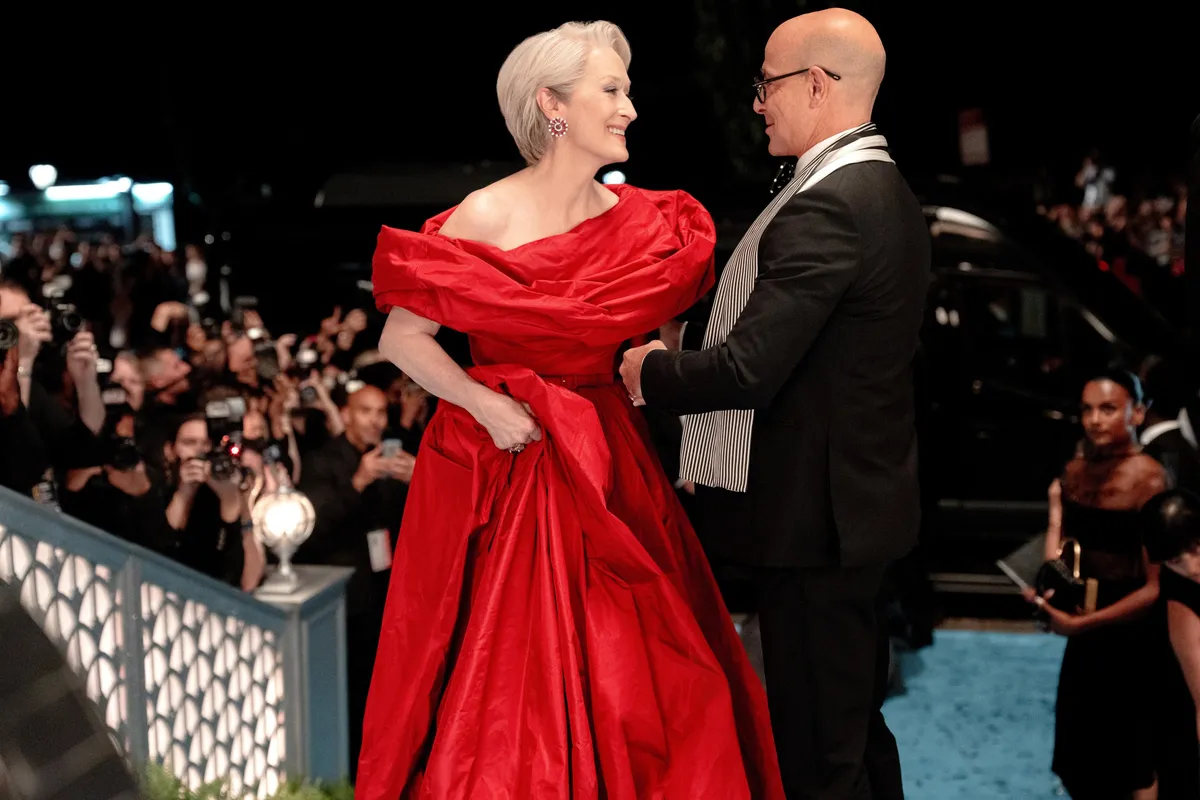
What makes the follow-up compelling, according to Vox, is that it doesn't just repeat the original's formula. Instead, it appears to sit with a more complicated tension - the kind that comes from a generation that grew up on these very aspirational stories and now has to reckon with the systems those stories helped normalise.

Calling it "capitalist art that hates capitalist art" is a genuinely sharp observation. There's something almost self-aware about a glossy, big-budget sequel critiquing the very culture it's selling tickets on the back of. But that contradiction might also be the point. Millennials have spent years holding two truths at once - loving beautiful things while knowing exactly how they're made, and at what cost.
Why it matters beyond the fashion world
The Devil Wears Prada universe has always been about more than clothes and magazines. It's about labour, ambition, identity, and what we're willing to give up to get what we think we want. The sequel, arriving in a very different cultural and economic moment, apparently asks those questions all over again - with the benefit of hindsight.
For anyone who came of age with the original, that feels worth paying attention to.