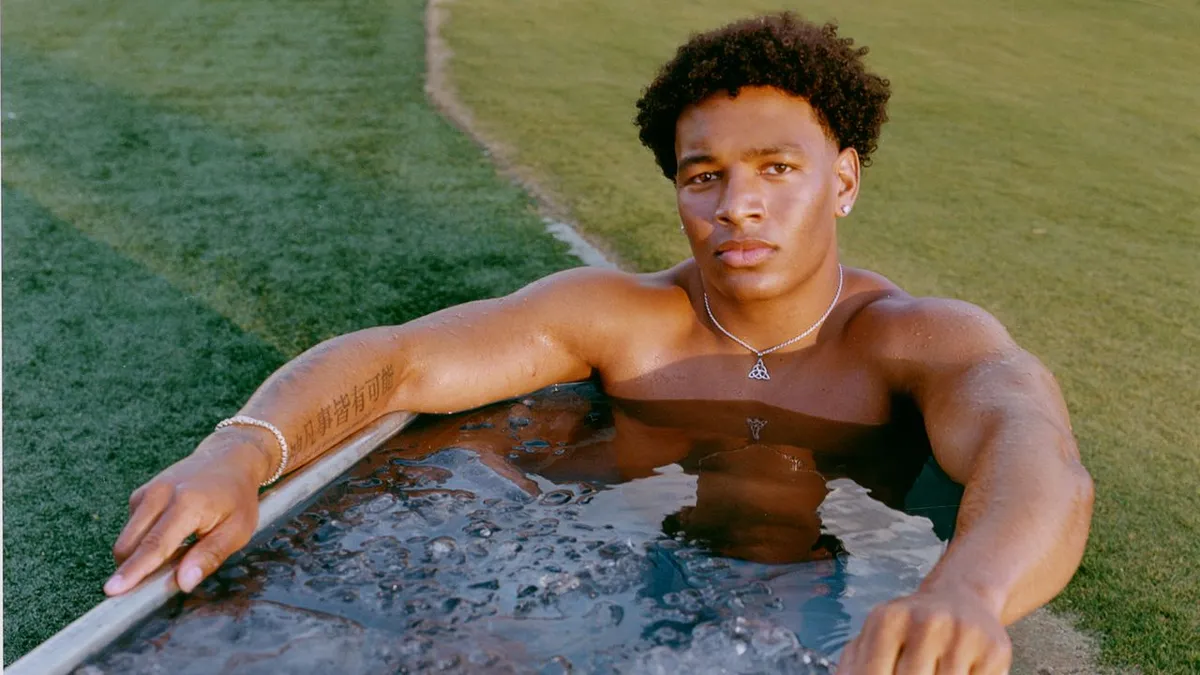
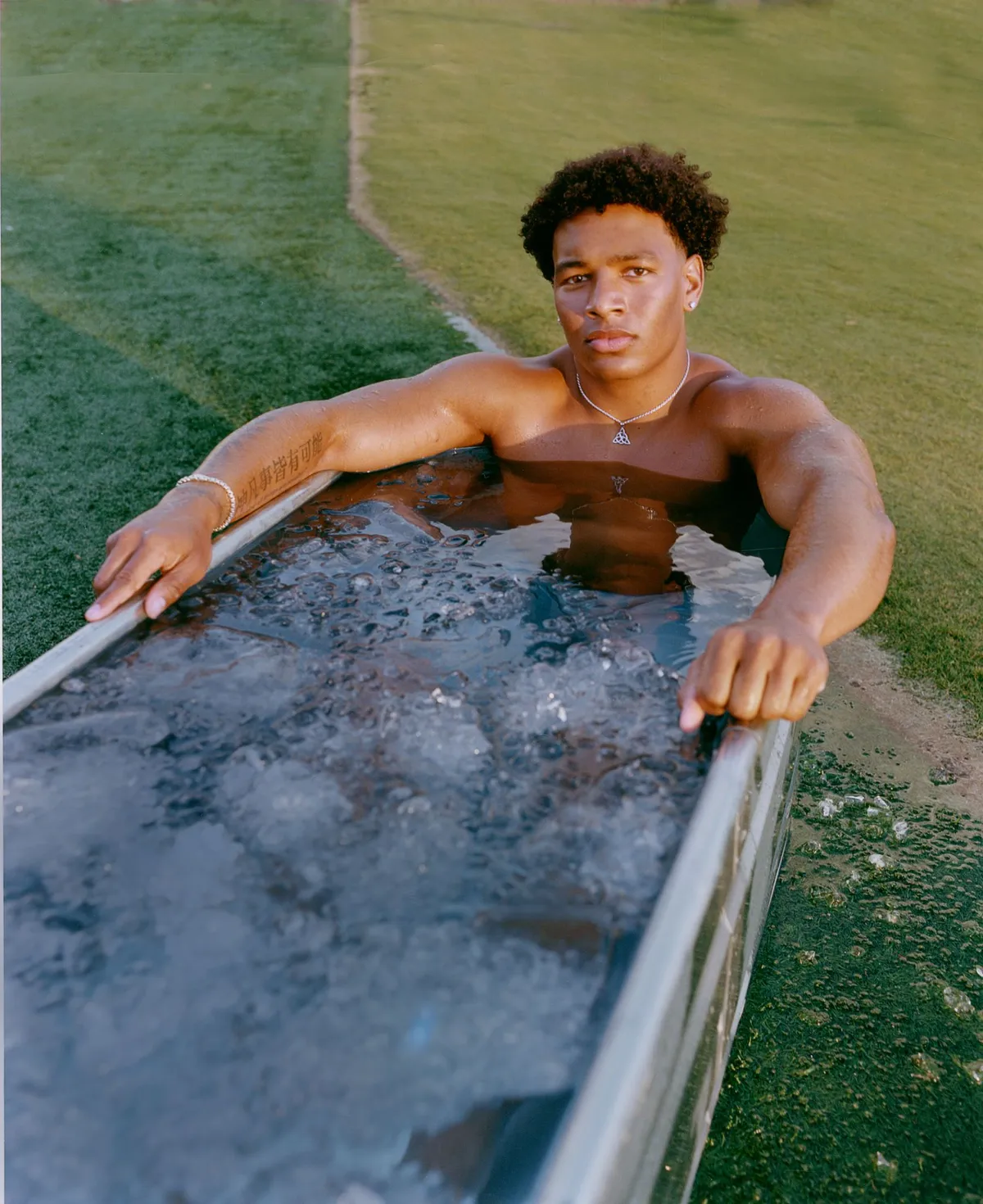
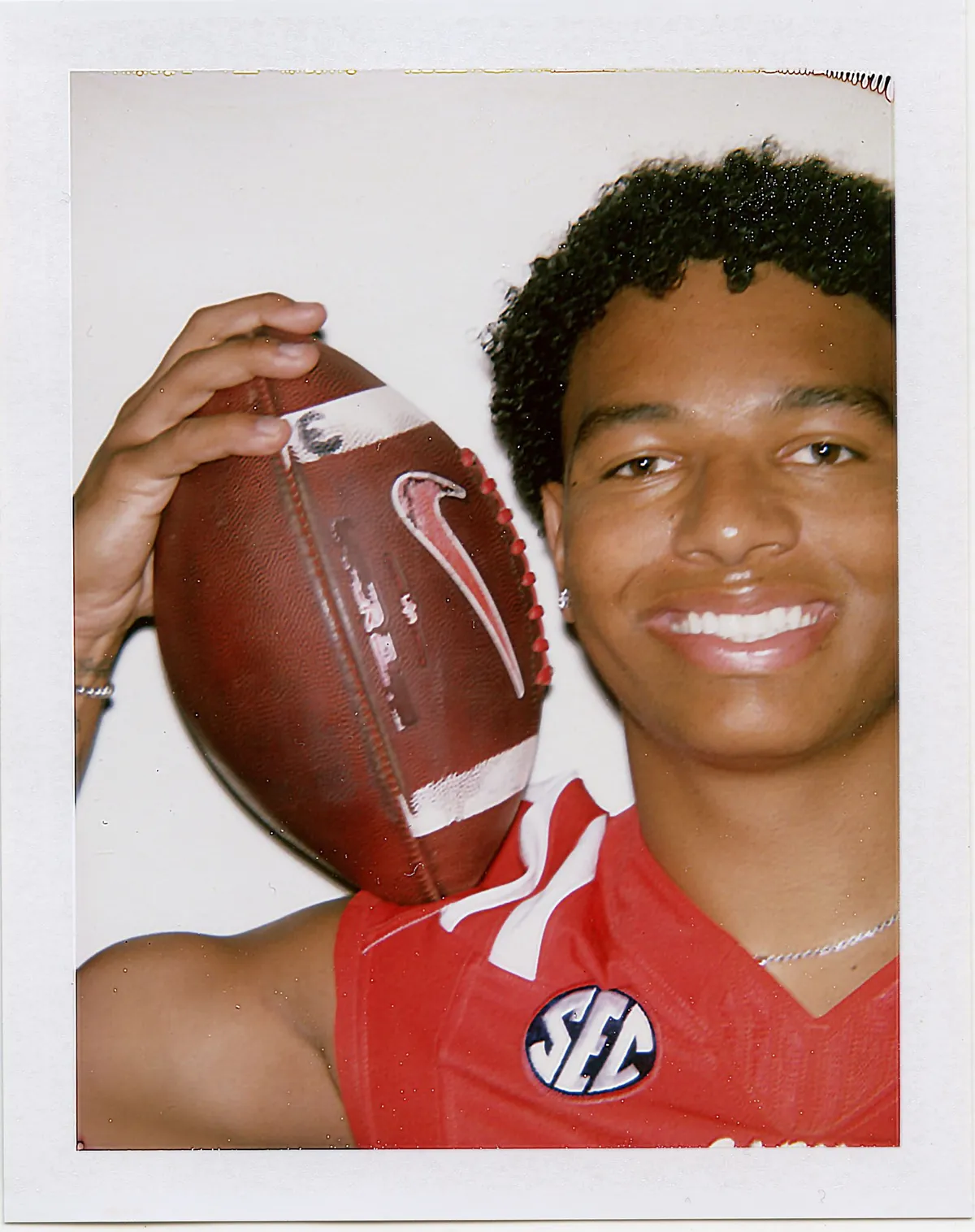
College sports have always been a complicated business. Universities rake in billions while student-athletes historically saw none of it. But that era is rapidly unraveling, and 23-year-old quarterback Trinidad Chambliss is sitting right at the center of the storm.
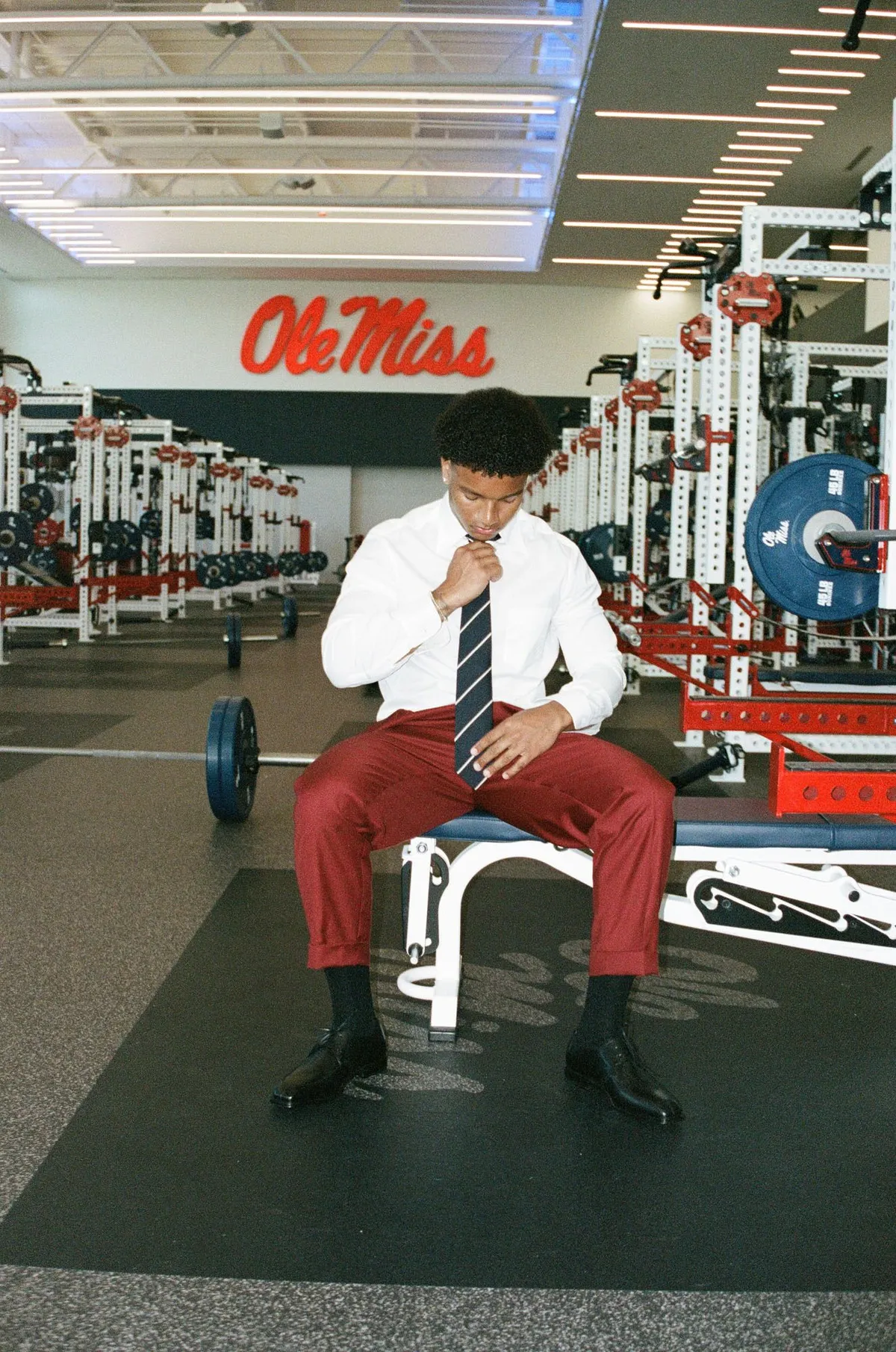
In a candid conversation with Vanity Fair, Chambliss opens up about the landmark legal case that has put him on a collision course with the NCAA - the governing body that has long controlled (and limited) how college athletes can earn money. Chambliss, who plays for Ole Miss, has been pulling in serious cash through NIL deals and other arrangements, and the NCAA is not happy about it.
Why this matters beyond football
If you're not deep in the world of college sports, you might wonder why any of this affects you. Here's the thing - this case is about much more than touchdowns and transfer portals. It's a fundamental question about labor, fairness, and who gets to profit from someone else's talent and hard work.
For decades, the NCAA operated on the idea that "amateurism" was sacred. College athletes were supposed to play for the love of the game and a scholarship, full stop. Meanwhile, stadiums sold out, TV deals hit record numbers, and coaches signed contracts worth tens of millions. The system worked great - for everyone except the players.
NIL rules (Name, Image, and Likeness) changed the game in 2021, allowing athletes to finally earn from endorsements and appearances. But Chambliss appears to be pushing those boundaries even further, and the NCAA's response signals just how threatened the old guard feels by what's coming next.
A generational shift
What makes Chambliss an interesting figure isn't just the dollar amounts attached to his name - it's his willingness to be public about the fight. Speaking about his coaches past and present, as well as his expectations heading into his season at Ole Miss, he comes across as someone who understands exactly what moment he's living in.
College athletes are increasingly aware that their window is short, their bodies are on the line every game, and the institutions around them have been profiting for years. That awareness is producing a new generation of players who are less interested in being grateful and more interested in being compensated fairly.
Whether or not Chambliss wins his case, the conversation he's forcing is one that's long overdue. The NCAA can slow things down, but it's hard to put this particular genie back in the bottle. And honestly? Good.