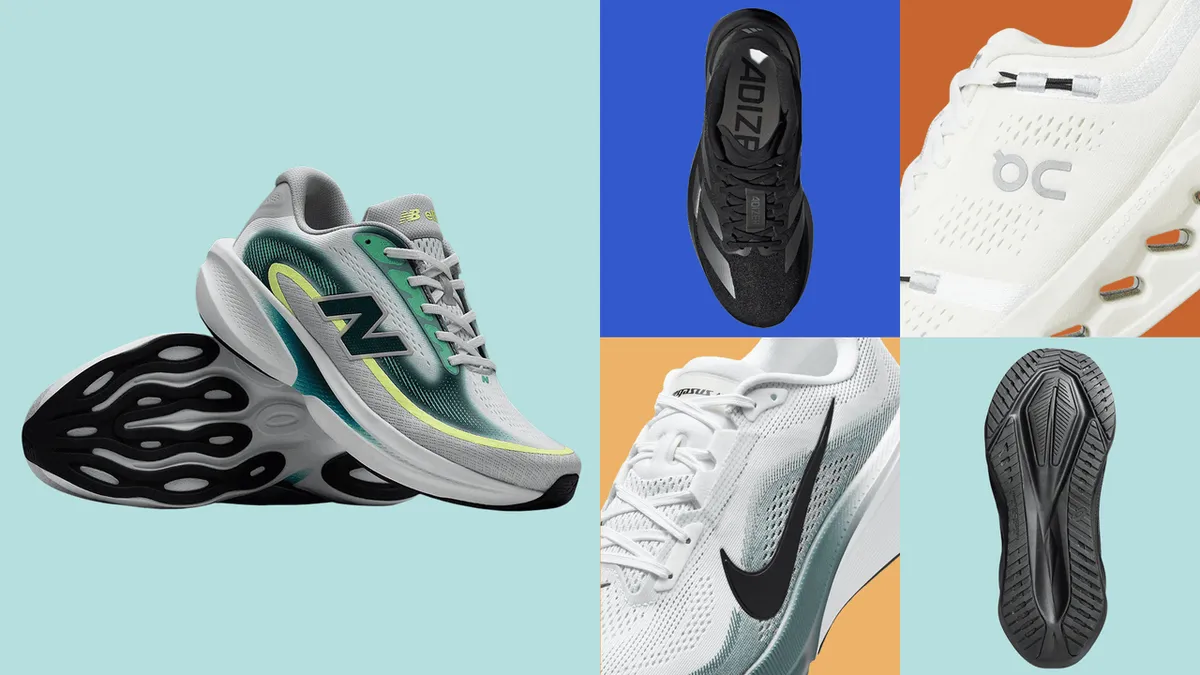
Here's the thing about getting into running: the barrier to entry is refreshingly low. You don't need a gym membership, a personal trainer, or any particularly fancy gear. But the one thing that genuinely makes a difference - especially when you're just starting out - is a solid pair of running shoes.
The wrong pair can turn an energizing new habit into a miserable, blister-prone ordeal. The right pair, though? It can make those first few kilometres feel almost effortless.
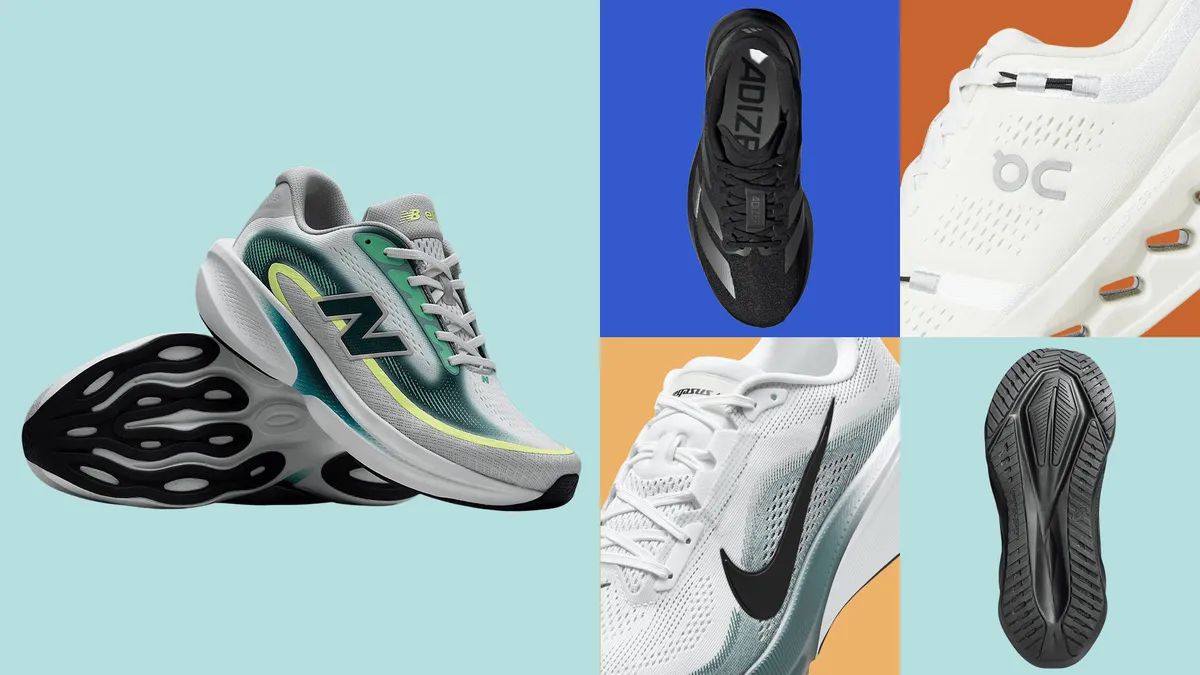
Why shoes matter so much at the start
When you're new to running, your body is still adapting to the impact and mechanics of the sport. A shoe that offers the right balance of cushioning, support, and fit does a lot of heavy lifting - quite literally. It can reduce your risk of common beginner injuries like shin splints and plantar fasciitis, and it helps you build good habits before your body has fully conditioned itself to the demands of regular mileage.
The problem is, walking into a running store (or worse, scrolling through endless options online) can feel completely overwhelming. Every brand promises the world, and the price tags don't always tell you much about what you're actually getting.
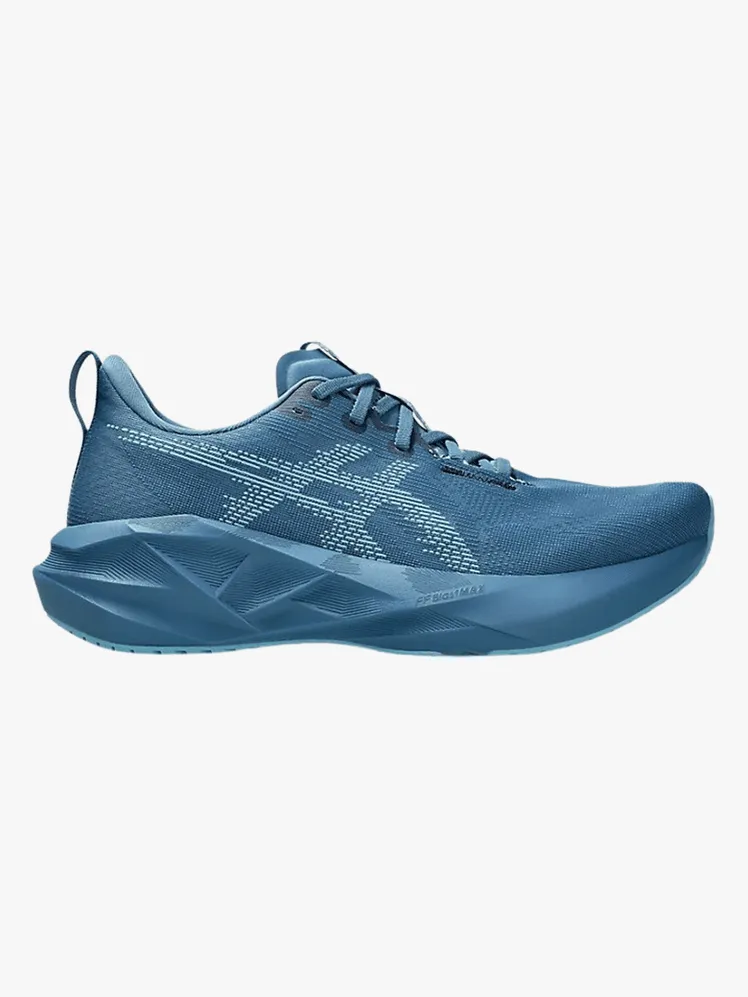
Tried, tested, and worth your money
GQ recently rounded up their picks for the seven best running shoes for beginners in 2026 - and crucially, these aren't just recommendations based on specs or brand reputation. They were actually tried and tested, which is the only honest way to assess a running shoe. How it performs on paper and how it feels after five kilometres are two very different things.
When you're shopping for your first proper pair, there are a few things to keep in mind beyond just style (though looking good certainly doesn't hurt your motivation):
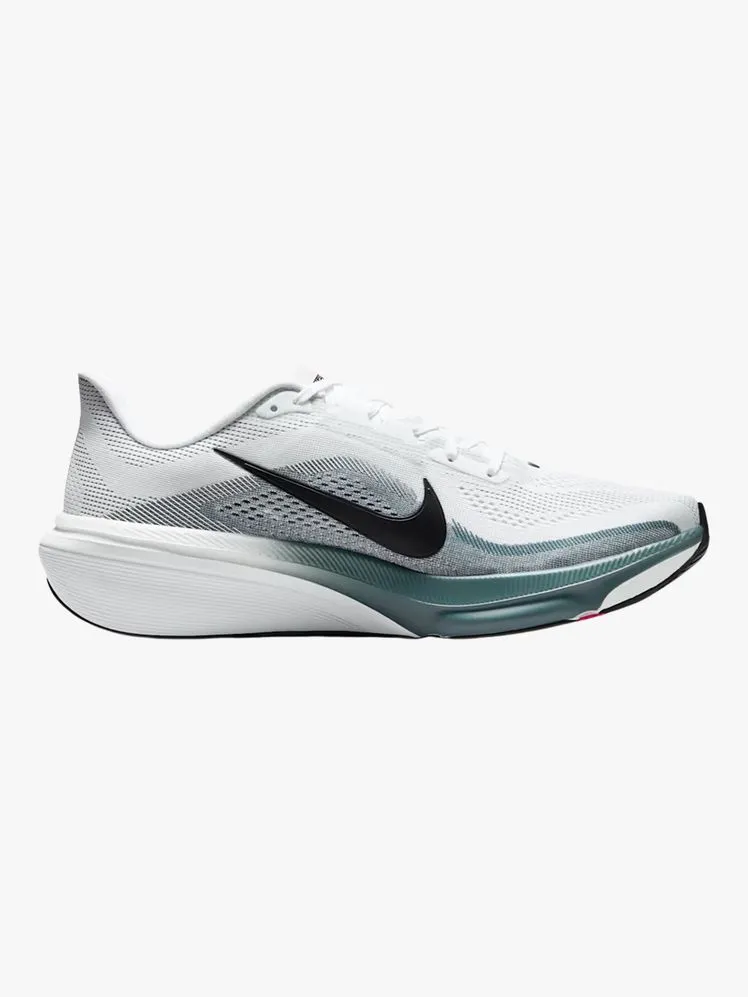
- Cushioning level - more isn't always better, but beginners often benefit from extra support underfoot while muscles and joints are still adapting.
- Fit around the heel and toe box - your foot should feel secure without being squeezed.
- Weight - lighter shoes feel faster, but they sometimes sacrifice the cushioning that new runners need.
- Surface compatibility - road shoes and trail shoes are designed differently, so think about where you'll mostly be running.
The bottom line
You don't need to spend a fortune, but you do need to spend thoughtfully. A well-chosen running shoe is genuinely one of the best investments you can make in a new fitness habit - and it's a lot cheaper than a gym membership you'll feel guilty about not using.
Check out GQ's full tested breakdown at gq.com to find the specific models that earned top marks this year.