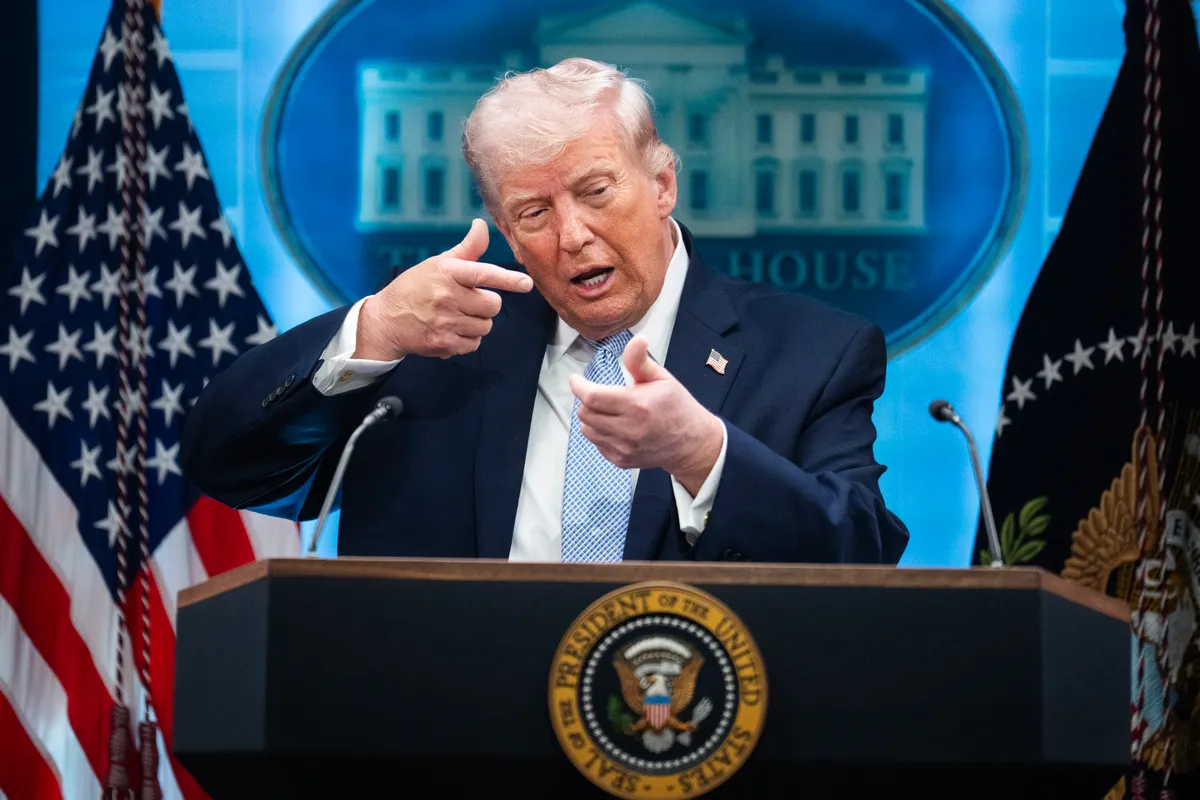
If you've been scrolling through the news lately and keep seeing references to the 25th Amendment, you're not imagining a trend. The constitutional provision - long considered a political long shot - is having a genuine moment in the spotlight.
What sparked the conversation
According to a tally by NBC News, more than 70 Democratic lawmakers have called on President Donald Trump's Cabinet to invoke a largely obscure section of the Constitution. The push came after Trump made threats significant enough to alarm a sizeable chunk of Congress into asking: is there a legal way to temporarily sideline a sitting president?
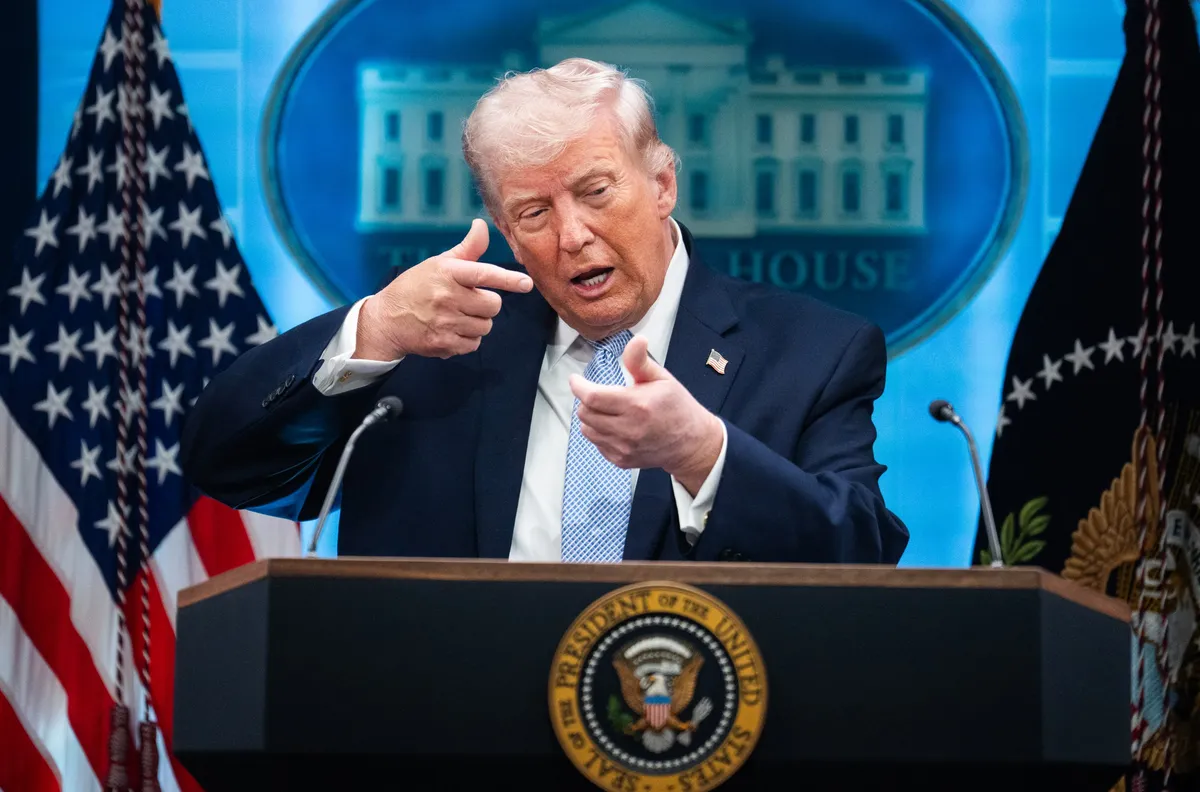
The answer, technically, is yes - and it lives in the 25th Amendment.
So what exactly is the 25th Amendment?
Ratified in 1967, the 25th Amendment lays out the procedures for presidential succession and, crucially, what happens if a president becomes unable to carry out their duties. The section getting attention right now is Section 4, which allows the vice president and a majority of Cabinet members to declare a president unfit for office - effectively transferring power to the VP, at least temporarily.
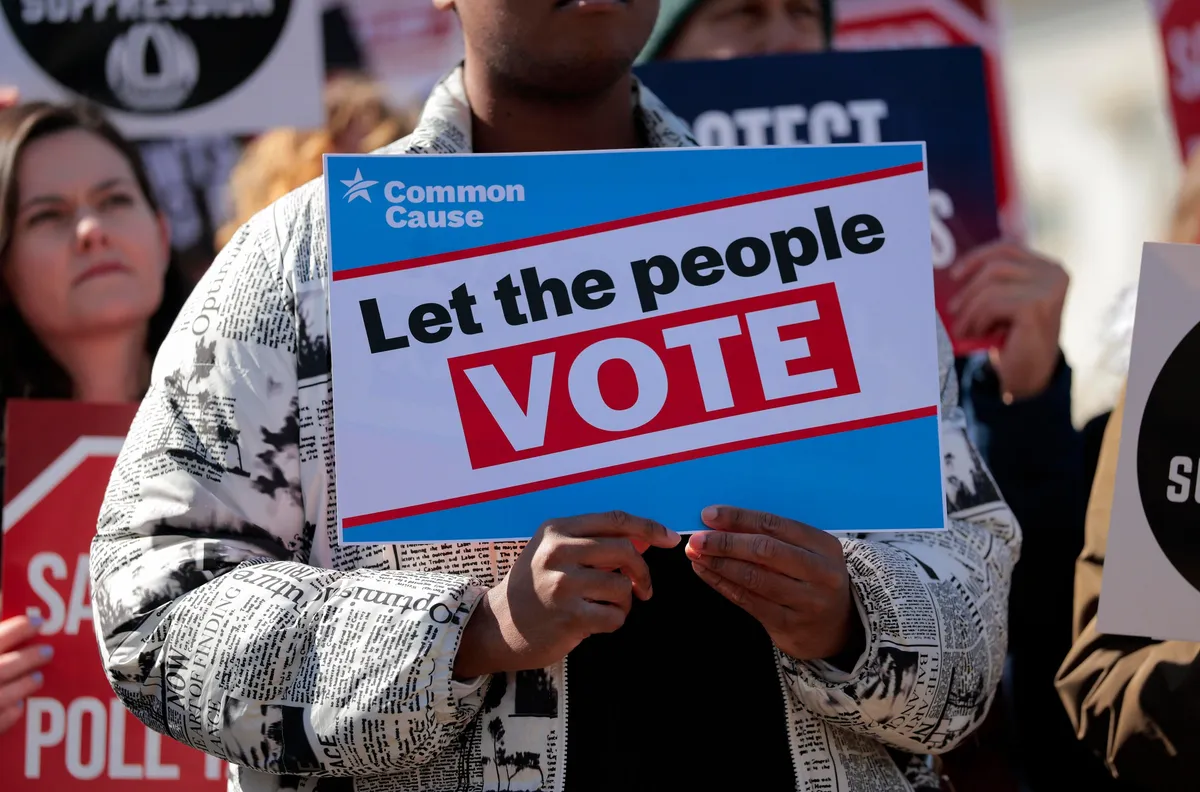
It has never been successfully used to remove a president. The bar is high, the politics are complicated, and it requires buy-in from people who are, by definition, appointed by the president they'd be moving against. As Vox reports, there are strong arguments that the whole process should be made significantly easier and more clearly defined.
Why this is more than just political noise
What makes this moment interesting isn't just the partisan back-and-forth - it's the broader question it raises about how democratic systems handle leaders whose behavior raises serious concerns. The 25th Amendment was designed for scenarios like a president falling gravely ill, not necessarily for the messier, more contested situations that modern politics keeps throwing at it.
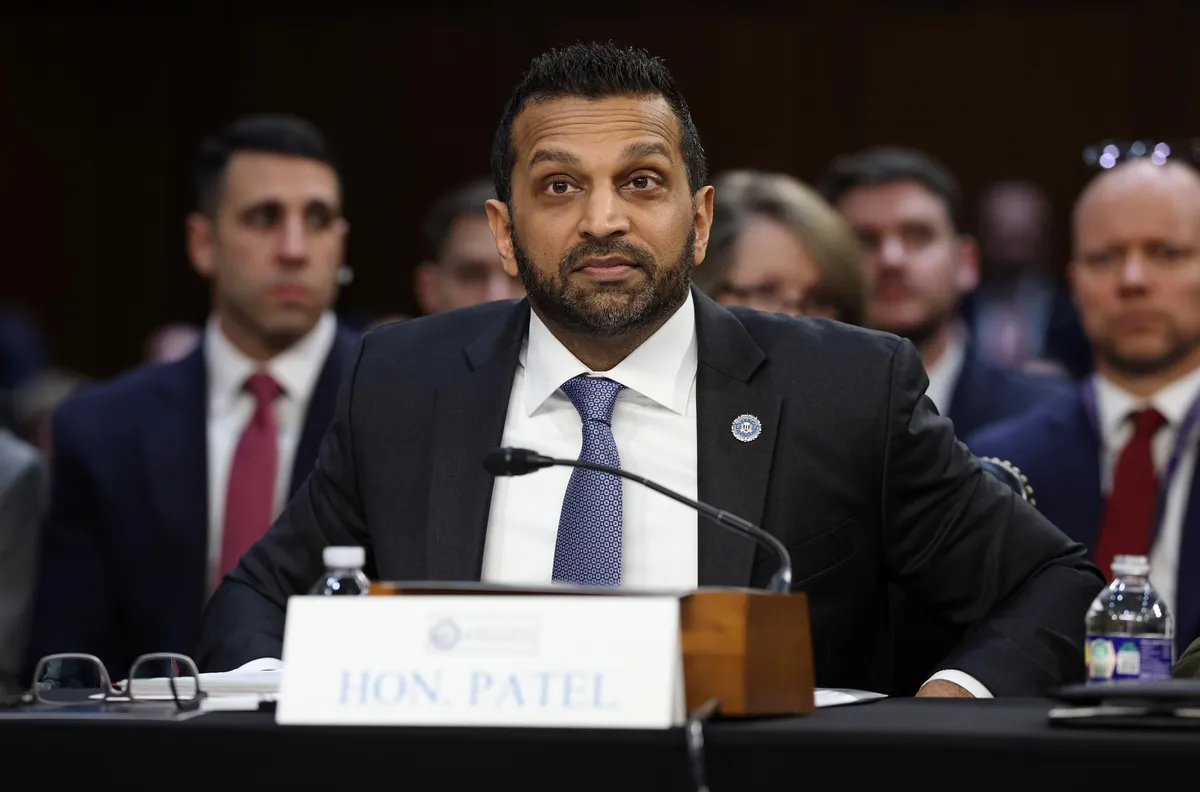
For everyday people trying to understand how government actually works, this is one of those civics lessons that suddenly feels very real and very relevant. The fact that over 70 elected officials felt compelled to invoke it - even symbolically - says something about where we are as a country.
What happens next
Realistically, without Cabinet support, the 25th Amendment remains a talking point rather than an actionable tool. But the conversation it's sparking - about presidential accountability, the limits of executive power, and whether the Constitution's guardrails are sturdy enough for the moment - is one worth following closely.
Whether you follow politics closely or just want to understand what everyone is arguing about, the 25th Amendment is now part of the cultural vocabulary. And knowing what it actually does puts you ahead of most of the conversation.