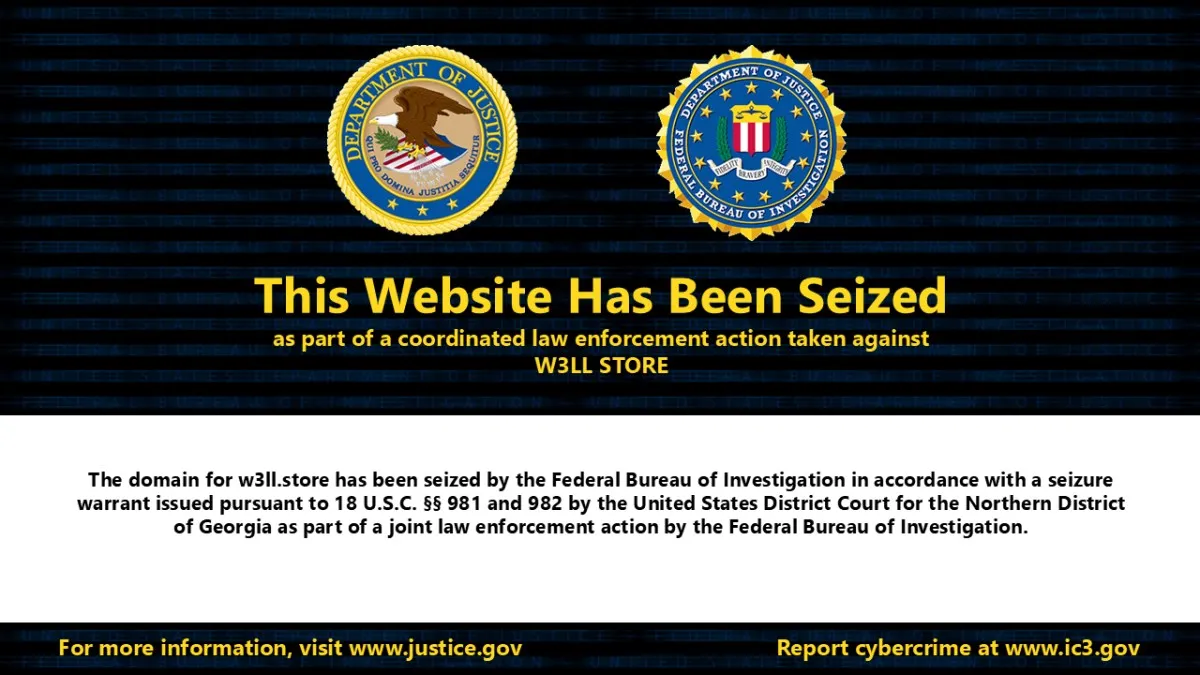
If you've ever felt smugly secure because you have two-factor authentication turned on, this story is a bit of a wake-up call. The FBI has announced the successful takedown of a large-scale phishing operation that allegedly compromised the accounts of more than 17,000 people across the globe - and the criminals behind it had tools capable of bypassing even MFA protections.
What made this operation so dangerous
According to reporting by TechCrunch, the cybercriminals were using something called the W3LL phishing kit - a ready-made toolkit that made it relatively straightforward to run sophisticated phishing attacks at scale. What set it apart from your average scam email wasn't just the volume of targets, but the technical sophistication involved.
Standard phishing attacks go after your password. This one went further. The W3LL kit was reportedly designed to steal multi-factor authentication codes too, meaning that even users who had taken the extra step of enabling MFA were potentially vulnerable. That's the kind of detail that should make anyone pay closer attention to where they're entering their login credentials.
Why this matters beyond the headline number
17,000 victims sounds like a big, abstract number - until you consider that each one of those people likely handed over access to email accounts, cloud storage, or workplace systems without realizing it. Phishing attacks at this scale aren't just an inconvenience. They can lead to identity theft, financial fraud, and in corporate settings, serious data breaches that ripple outward to affect even more people.

The takedown is genuinely good news, but it's also a useful reminder that the phishing landscape has grown considerably more sophisticated. The days of obviously dodgy emails full of spelling mistakes are still around, sure - but they exist alongside slick, technically advanced operations like this one that can fool even careful users.
What you can actually do
MFA is still worth using - don't let this put you off. But it's worth knowing that not all MFA is created equal. Hardware security keys offer stronger protection than SMS codes or app-based one-time passwords, because they're much harder for phishing kits to intercept in real time.

Beyond that, the basics still apply. Be skeptical of any login page you reach through a link in an email or message, even if it looks completely legitimate. When in doubt, navigate to the site directly through your browser rather than clicking through. It's a small habit that makes a real difference.
The FBI's success here is worth celebrating - but the smarter response is to treat it as a nudge to check your own digital hygiene before the next operation comes along.