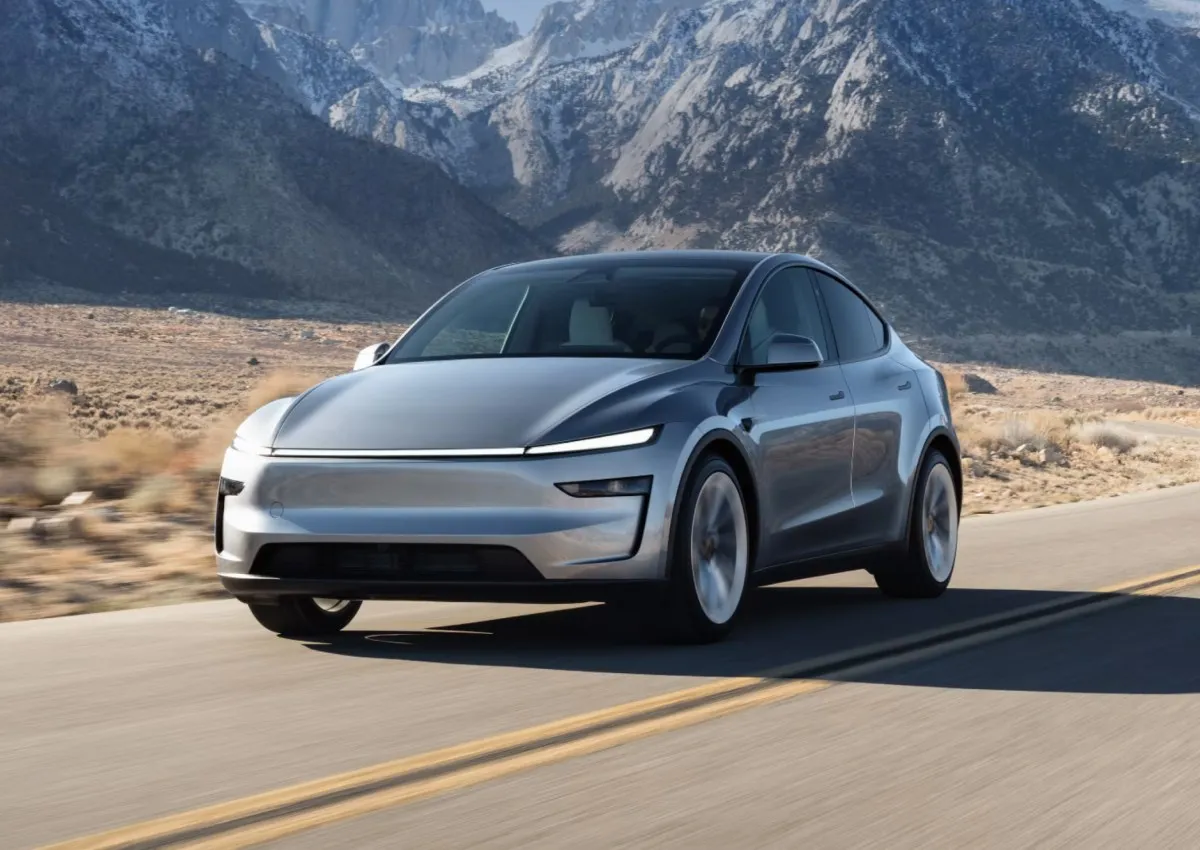
If you've ever wondered whether your car's driver assistance features are actually safe, the U.S. safety establishment is finally starting to give you a clearer answer. The 2026 Tesla Model Y has become the first vehicle to meet a new American driver assistance safety benchmark, according to a report from TechCrunch - a milestone that signals a meaningful shift in how regulators and watchdogs are evaluating semi-autonomous driving technology.
What the rating actually means
This isn't just a badge on a brochure. The new benchmark is designed to evaluate how well a vehicle's driver assistance systems perform in real-world scenarios - think lane keeping, adaptive cruise control, and the kind of tech that's supposed to help you stay safe without fully taking over the wheel. Until now, those systems existed in something of a safety rating vacuum. Manufacturers could tout their features without much independent accountability.
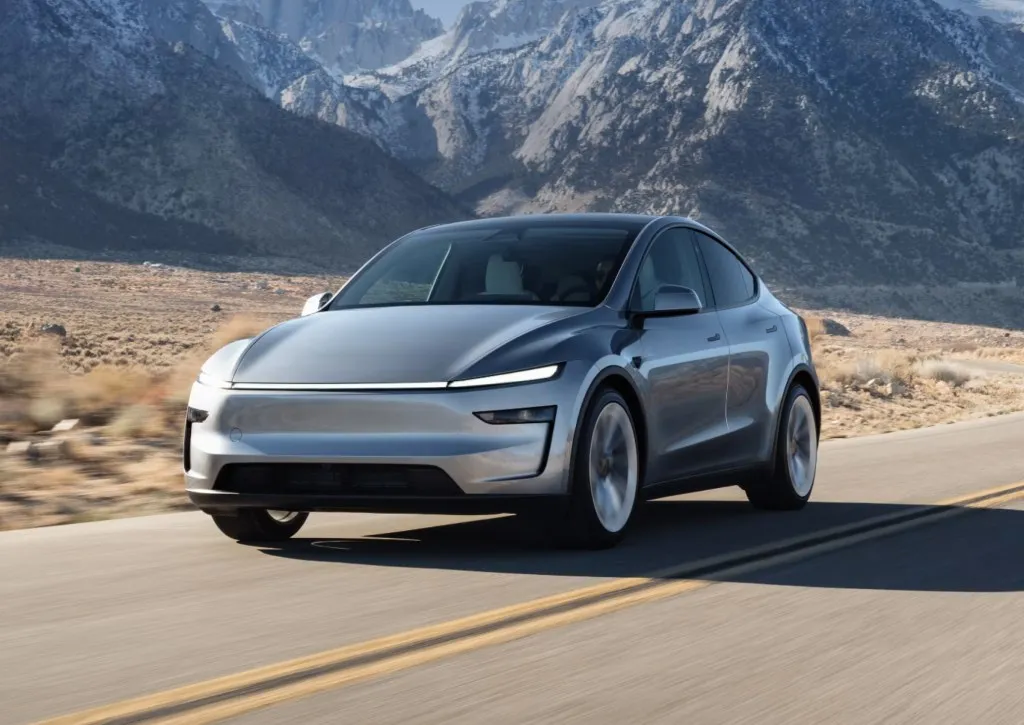
The new rating changes that equation. It creates a standardized way to measure whether these systems genuinely reduce risk or just add a false sense of security. And the fact that the Model Y is the first to clear that bar puts Tesla in an interesting position, given the scrutiny the company's Autopilot and Full Self-Driving features have faced in recent years.

The fine print matters here
Worth noting: the rating applies specifically to 2026 Model Y vehicles assembled on or after November 12, 2025. So if you're eyeing a used Model Y or an earlier production run, this particular certification doesn't carry over. It's a reminder that as vehicles become more software-driven, the build date can matter just as much as the model year.
Why this is bigger than one car
Tesla being first is noteworthy, but the more important story is that this benchmark exists at all. Driver assistance technology has been rolling out across the industry at a rapid pace, from budget sedans to luxury SUVs. Having a credible, standardized safety rating for these systems gives consumers a real tool for comparison - something we've long had for crash safety but not for the increasingly complex software steering our daily commutes.
For anyone in the market for a new car, this is the kind of development worth paying attention to. As more automakers work toward meeting the benchmark, it should become a genuine factor in purchasing decisions, right alongside fuel economy and cargo space. The era of vague promises about "intelligent driving" may finally be giving way to something more concrete.