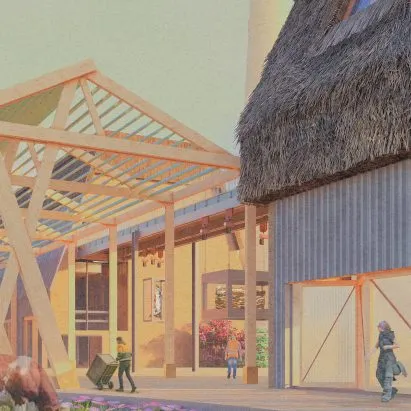
If you want a sense of where design is heading, look at what students are building - sometimes literally. A new showcase of graduate work from UWE Bristol, featured on Dezeen, includes a proposal for an agriculture factory designed for the year 2050, constructed using manure plaster and thatch. It sounds unconventional, but that's exactly the point.
Back to basics, forward to 2050
The agriculture factory concept is one of those ideas that stops you in your tracks. Instead of reaching for high-tech materials, the designer looks backward to find solutions for the future - tapping into ancient, low-impact building traditions and reimagining them at a larger scale. Manure plaster and thatch are both biodegradable, locally sourceable, and have been keeping structures standing for centuries. Applying them to an industrial farming context is a genuinely bold creative leap.
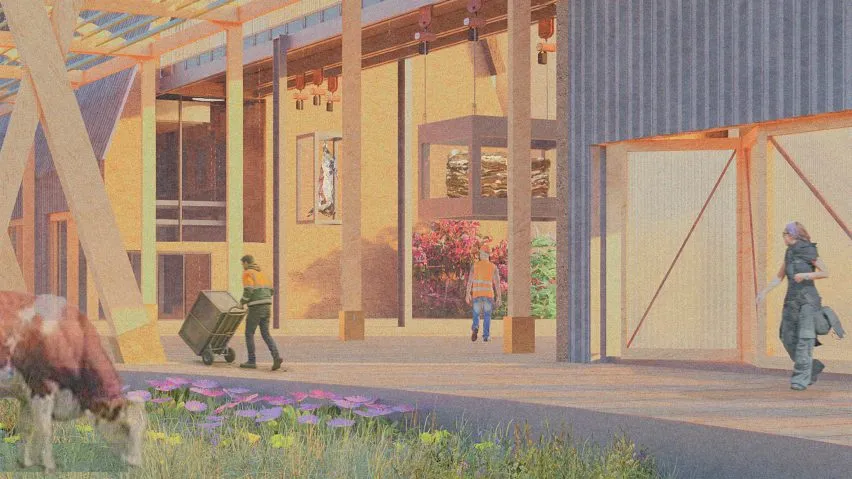
It speaks to a growing movement in architecture and design that questions whether "sustainable" always means solar panels and smart glass. Sometimes sustainability looks more like mud walls and straw roofs, and increasingly, designers are making that case without apology.
Design that includes everyone
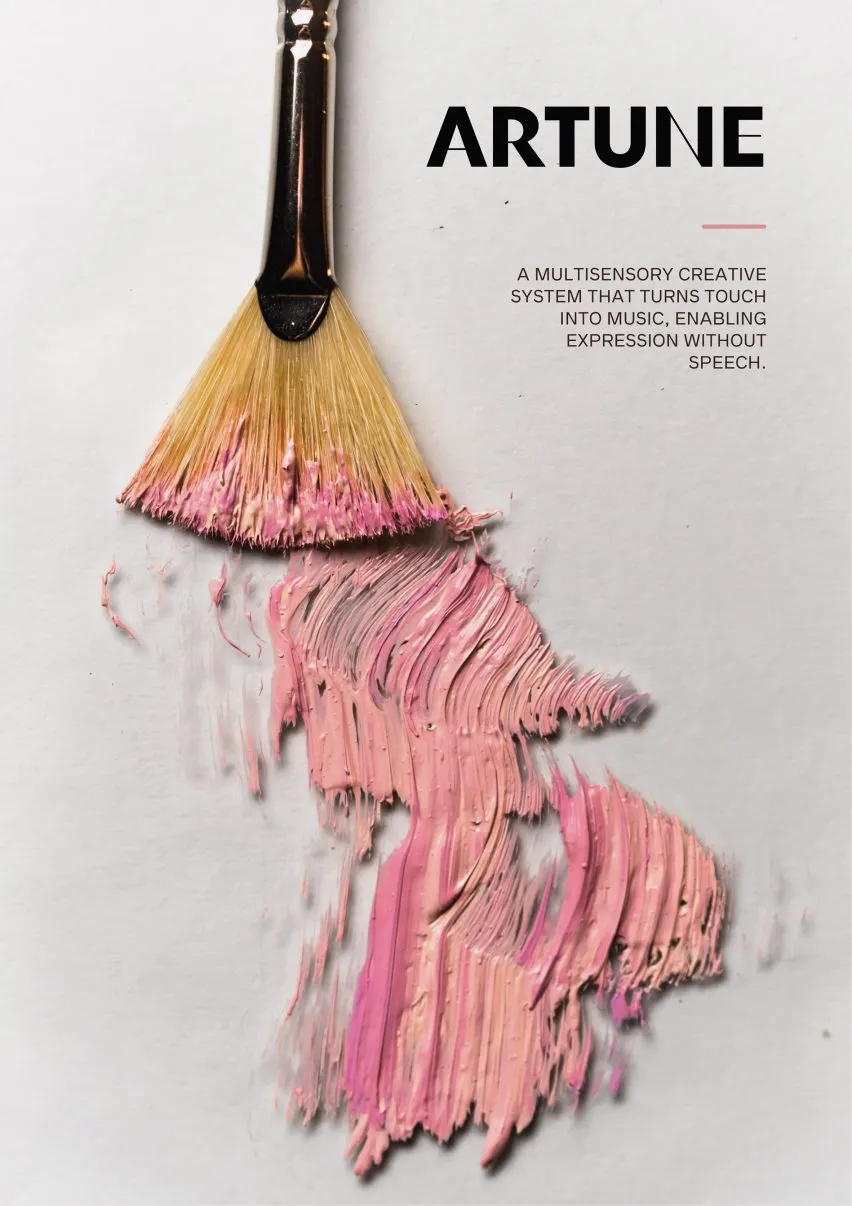
Also in the showcase is a project that feels equally timely - an accessible art kit designed specifically for people with sensory processing issues. It's a quiet but meaningful contribution to the conversation around inclusive design, which for too long has been treated as a niche concern rather than a baseline requirement.
Art is something that should be open to everyone, and the fact that a student has built their graduate project around removing barriers to creative participation is genuinely heartening. Sensory processing differences affect a significant portion of the population, and thoughtful design can make a real difference to daily quality of life.
Rethinking how we share space
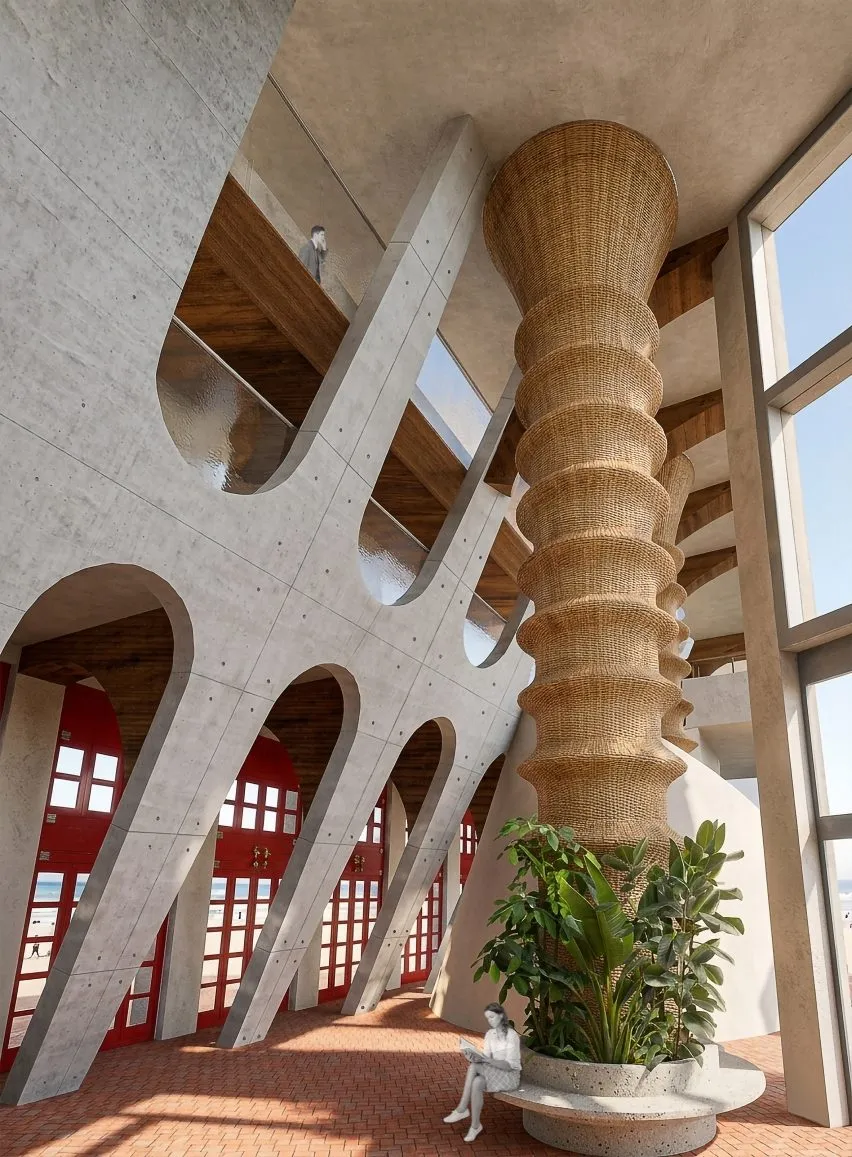
Rounding out the featured projects is a mixed-use proposal combining a shopping centre with workspaces - a concept that feels very much in step with how urban planners and developers are rethinking the high street. As retail continues to shift and remote work reshapes office culture, the idea of blending commercial and professional spaces in a single building makes a lot of practical sense.
Taken together, these three projects paint an interesting picture of where young designers are putting their energy: food systems, accessibility, and flexible urban living. These aren't abstract thought experiments - they're responses to real problems that are already reshaping the way we live. Worth paying attention to.