We've all been there - you stumble across an artist on Spotify, their profile looks legit, the music sounds polished, but something feels a little... off. As AI-generated music floods streaming platforms, that gut feeling is becoming harder to trust. Now Spotify is stepping in to take some of the guesswork out of it.
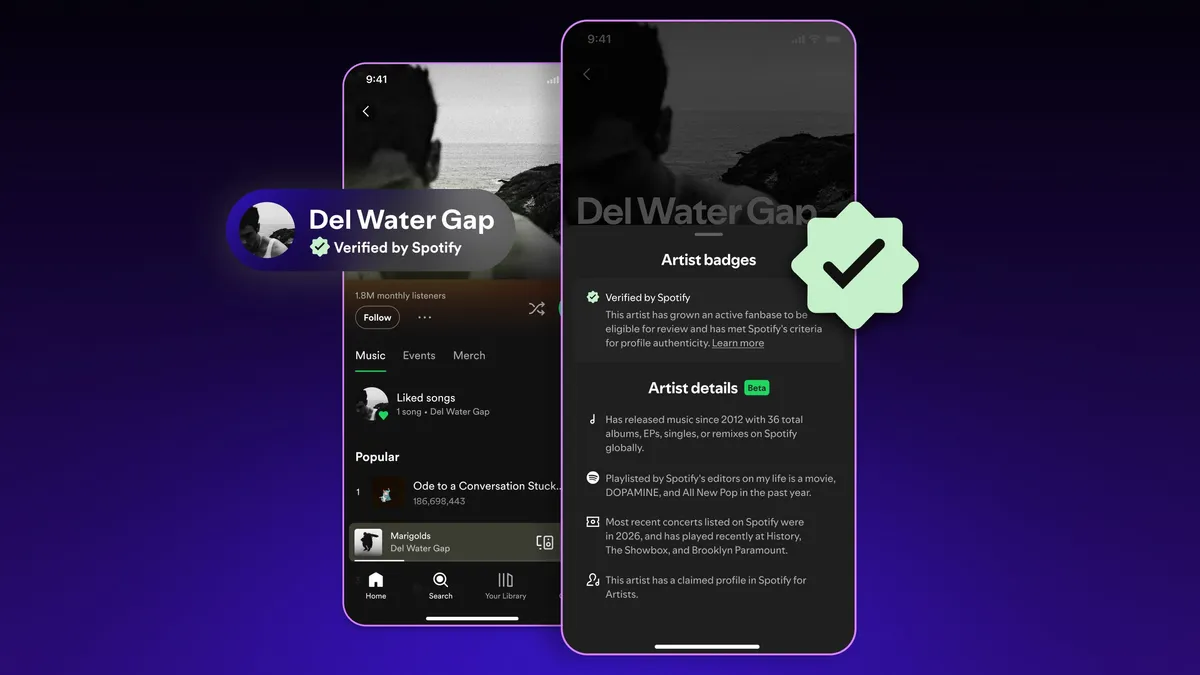
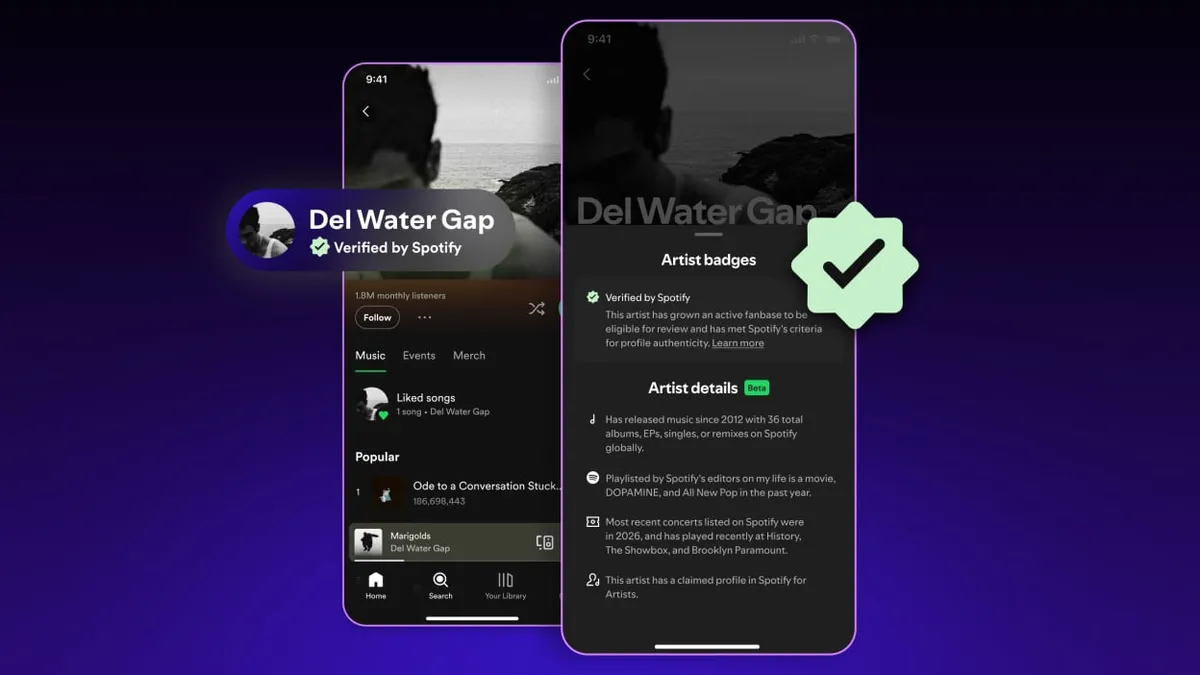
According to Mashable, Spotify is rolling out new verification tools designed specifically to help listeners figure out whether the artist behind a profile or song is a real human - or a product of artificial intelligence. The initiative includes badges and expanded artist information, giving you more context right there on the page before you decide to hit play or follow.
Why this actually matters
It might be tempting to shrug this off as a niche concern, but the implications are pretty significant. Musicians have spent years building careers on streaming platforms, and AI-generated music - which can be produced at scale and at minimal cost - threatens to dilute discovery feeds and playlists in ways that hurt real artists economically. When a listener unknowingly streams an AI track, royalty money flows somewhere other than an actual person pouring their creativity into their craft.
For listeners, it's also just about knowing what you're connecting with. Music is deeply personal. There's a reason people care about the story behind a song, the struggle, the emotion, the human experience woven into it. Knowing whether a real person made what you're hearing changes the nature of that connection entirely.
Badges and more artist context
The new tools Spotify is introducing focus on transparency at the profile and track level. Verification badges will signal human artists, while expanded artist information will give listeners a clearer picture of who - or what - is behind the music. It's a relatively clean solution to a genuinely messy problem, and it puts the information directly in front of listeners rather than burying it in settings or fine print.
This move also signals something broader: streaming platforms can no longer treat AI-generated content as a neutral presence on their services. Spotify taking a stance here sets a precedent that authenticity is worth protecting, and that listeners deserve to make informed choices about what they consume.
Whether this fully solves the problem is another question. AI tools are evolving fast, and verification systems will need to keep pace. But as a first step toward bringing some honesty back to music discovery, it's a pretty welcome one.