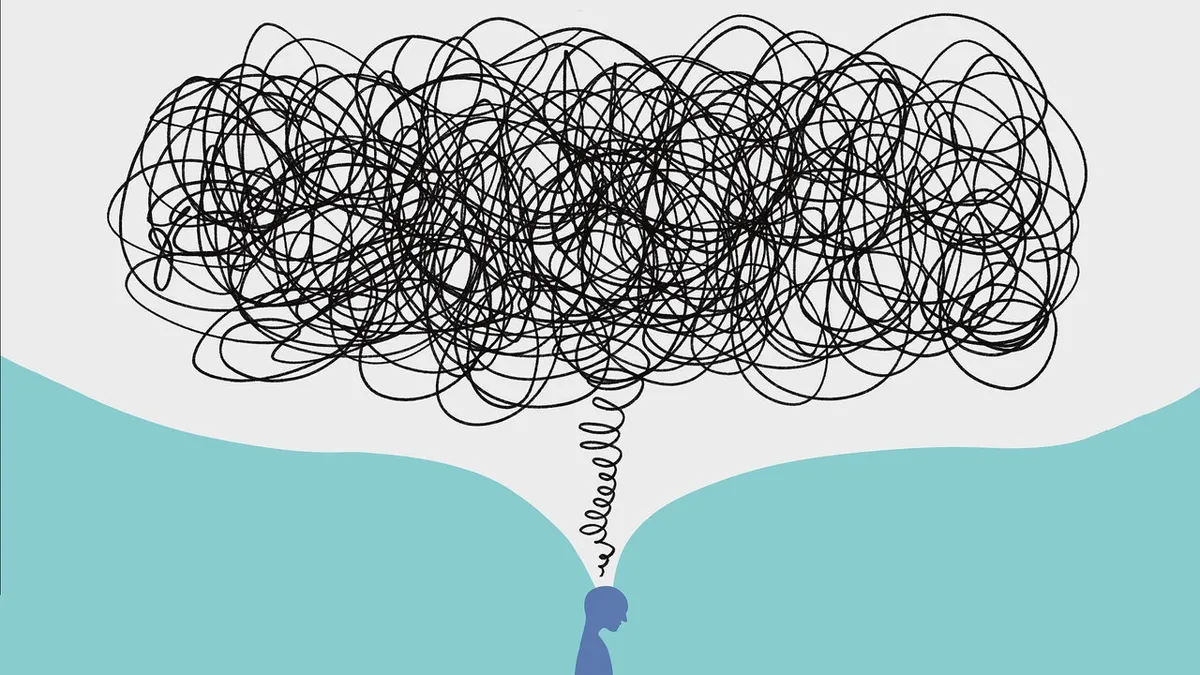
You have heard it all before. Go for a walk. Get more sleep. Try meditation. And sure, fine, technically these are good suggestions. But if your brain runs at approximately 4,000 tabs open at all times, this advice lands about as well as telling a Formula 1 driver to "just slow down a little."
According to a piece over at Fast Company, the real problem might be that most standard anxiety advice is actually stress advice - and those are not the same thing. Stress has a source you can point at. Anxiety is more like a smoke alarm that goes off when there is no fire, just vibes and catastrophic hypotheticals.
Why high achievers are basically anxiety speedrunners
Here is the uncomfortable truth: the same traits that make someone a high performer - relentless drive, pattern recognition, future-planning - are basically anxiety's favorite playground equipment. Your brain is very good at imagining outcomes. Unfortunately it is not picky about which outcomes it imagines.
The standard advice fails because it targets the nervous system in a general, one-size-fits-all way. But an overachiever's anxiety is often more cognitive than physical. You are not just wound up - you are wound up and also running mental simulations of seventeen possible futures simultaneously.
What actually helps (beyond the basics)
The Fast Company piece rounds up nine specific hacks tailored for this flavor of anxious brain - the kind that can ace a presentation while quietly catastrophizing in the background. The approaches lean into structure, specificity, and working with your overactive mind rather than trying to simply switch it off.
Think less "empty your thoughts" and more "give your thoughts somewhere useful to go." Anxious high achievers tend to do better with techniques that feel productive, because telling a type-A person to just sit still and breathe is, respectfully, a little bit funny.
The bigger picture here
What makes this conversation worth having is the normalization of anxiety among people who, from the outside, look like they have everything together. High functioning does not mean fine. It often just means very good at performing fine.
If your coping toolkit still looks like a 2015 wellness blog, it might be time for an upgrade. Your anxiety is not a character flaw - it is just a very enthusiastic threat-detection system that needs better calibration.
Annoyingly, the walk probably still helps a little though. Sorry.