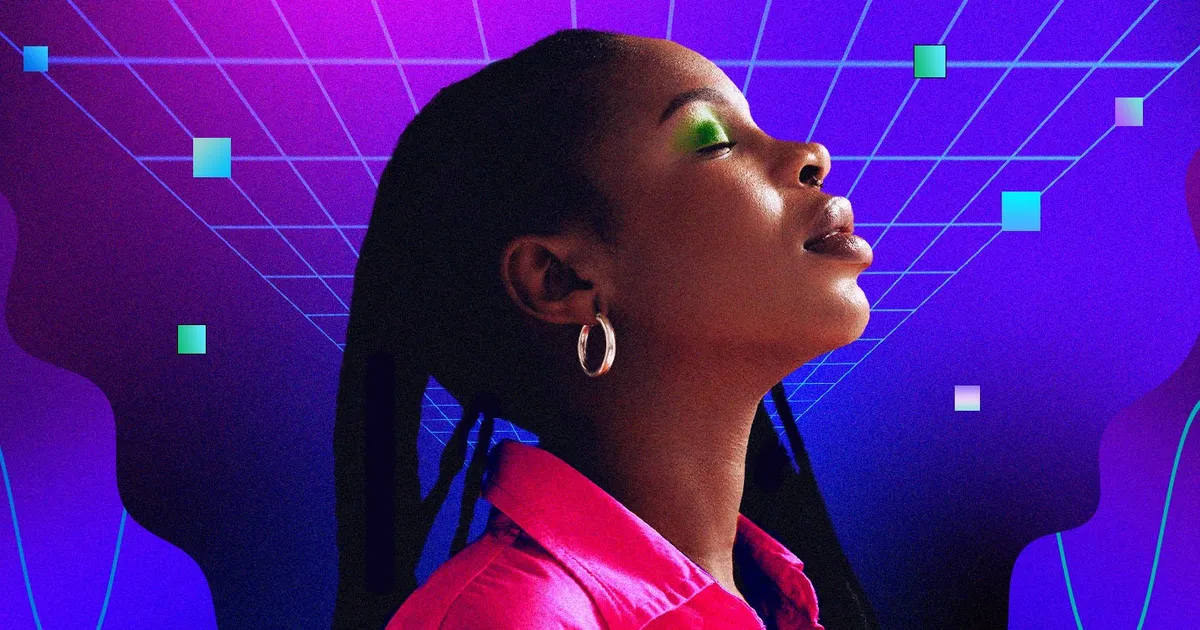
So apparently we are at the point where you can open ChatGPT, find a bot called Black Female Therapist™, and just... start unpacking your trauma. No co-pay, no waitlist, no nodding gently while someone checks the clock. Just you, your feelings, and a large language model.
That's exactly what one writer at Refinery29 did - for three full days. And the results are worth talking about, because they are complicated in all the right ways.

What even is this thing?
The chatbot is billed by its creators as a "caring therapist empowering and delivering therapy tailored to the specific needs of Black individuals." That is a bold promise packed into one product description. The writer went in honestly, sharing real feelings - exhaustion from performing strength she didn't always have, anxiety about the future. She went deep, as she puts it herself.
And here's the thing - it wasn't nothing. The bot responded. It acknowledged. It reflected language back. For people who have spent years being dismissed, misdiagnosed, or simply underserved by a mental health system that was not built with them in mind, having something that at least tries to meet you where you are is not nothing.

But let's pump the brakes for a second
The question the article is really asking - and the one we should all be sitting with - is whether "tailored" AI therapy is genuinely helpful, or whether it's a very sophisticated form of telling people what they want to hear. There is a meaningful difference between feeling heard and actually being helped.
Mental healthcare in Black communities faces real, systemic barriers. Cost, cultural stigma, a shortage of Black therapists, historical distrust of medical institutions - the list is long and it is legitimate. An AI chatbot does not fix any of that. But if it keeps someone engaged with their mental health on a Tuesday at 2am when no human is available, is that a net positive?

The messy, unresolved answer
Probably yes, probably sometimes, probably not as a replacement. The Refinery29 piece does not pretend there is a clean conclusion here, and that honesty is what makes it worth reading. We are in genuinely new territory - where identity, wellness, and artificial intelligence are crashing into each other at speed, and nobody has the full map yet.
What we do know is that "Black Female Therapist" existing at all says something about a gap so wide that people are building AI to fill it. That gap deserves more attention than the chatbot does.