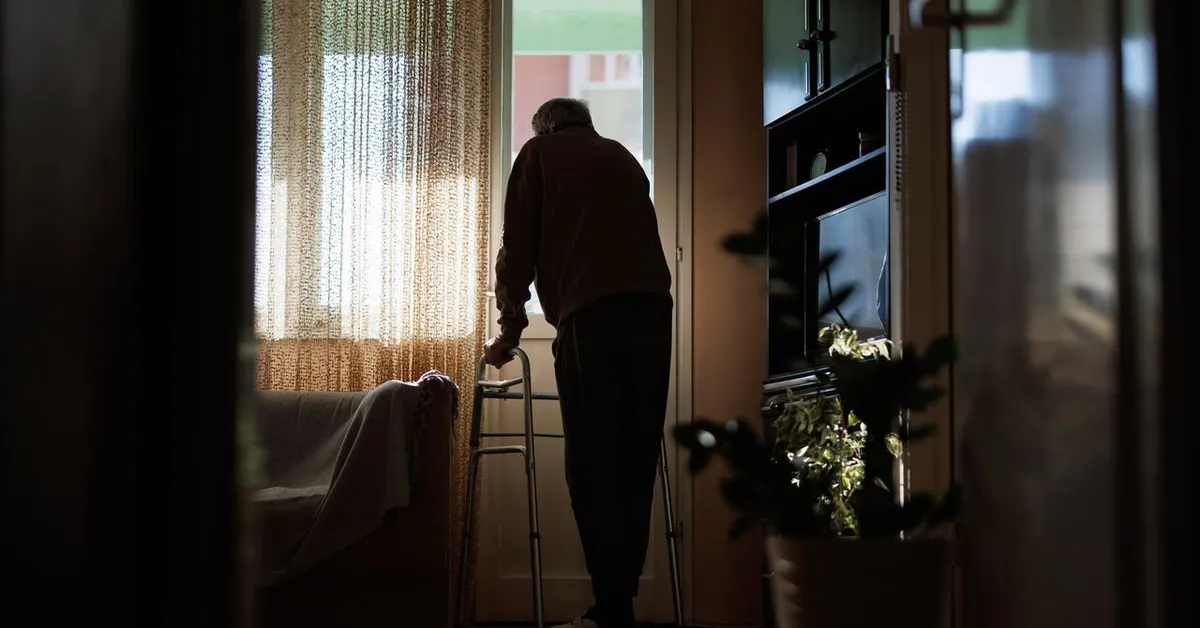
We already knew loneliness was bad for you in the abstract, vague, "go touch grass" kind of way. But new research is getting uncomfortably specific about exactly where the damage shows up - and it turns out your memory is taking the hardest hit.
A longitudinal study highlighted by Wired found that loneliness in older adults is more strongly linked to lapses in immediate and delayed recall than it is to the overall speed of cognitive decline. Translation: lonely seniors aren't necessarily losing their mental sharpness across the board - they're specifically struggling to hold onto information and retrieve it later. Which, if you think about it, is kind of the whole game when it comes to functioning like a human being.
Why this matters more than you think
The distinction here is actually huge and it's being undersold. Cognitive decline is a broad, scary umbrella term. But recall - the ability to learn something and actually remember it five minutes (or five days) later - is deeply tied to how we navigate daily life, maintain relationships, and stay independent. Losing that specific function is a different kind of loss than just "slowing down."
It also changes the conversation around loneliness from a fuzzy social wellness problem into something with measurable, targeted neurological consequences. This isn't just "old people should join a book club" territory anymore. This is public health infrastructure territory.

The cruel irony nobody wants to talk about
Here's the part that should keep you up at night: loneliness impairs the very cognitive functions that help you maintain social connections in the first place. Forgetting what your friend told you last week, losing track of shared experiences, struggling to follow a conversation - these are exactly the things that make relationships harder to sustain. It's a feedback loop with absolutely terrible vibes.
And older adults are disproportionately isolated to begin with, thanks to retirement, mobility issues, loss of friends and partners, and a society that generally treats aging people as optional participants in public life.

So what do we actually do with this?
The researchers aren't handing out miracle cures here. But the implication is clear: treating loneliness in older populations isn't a soft, feel-good intervention. It's a cognitive health strategy with real, specific outcomes on the line. Think of it less like optional social programming and more like a memory preservation protocol.
Your brain, it turns out, genuinely needs other people to remember being alive. And that might be the most relatable thing science has ever told us.