Artificial intelligence has already given us nightmare hands, unreadable signs, and text that looks like it was written by someone who learned the alphabet from a fever dream. So naturally, the next frontier is making your photos worse. Sony, a company literally famous for camera technology, has somehow walked into this one face-first.
What happened, exactly?
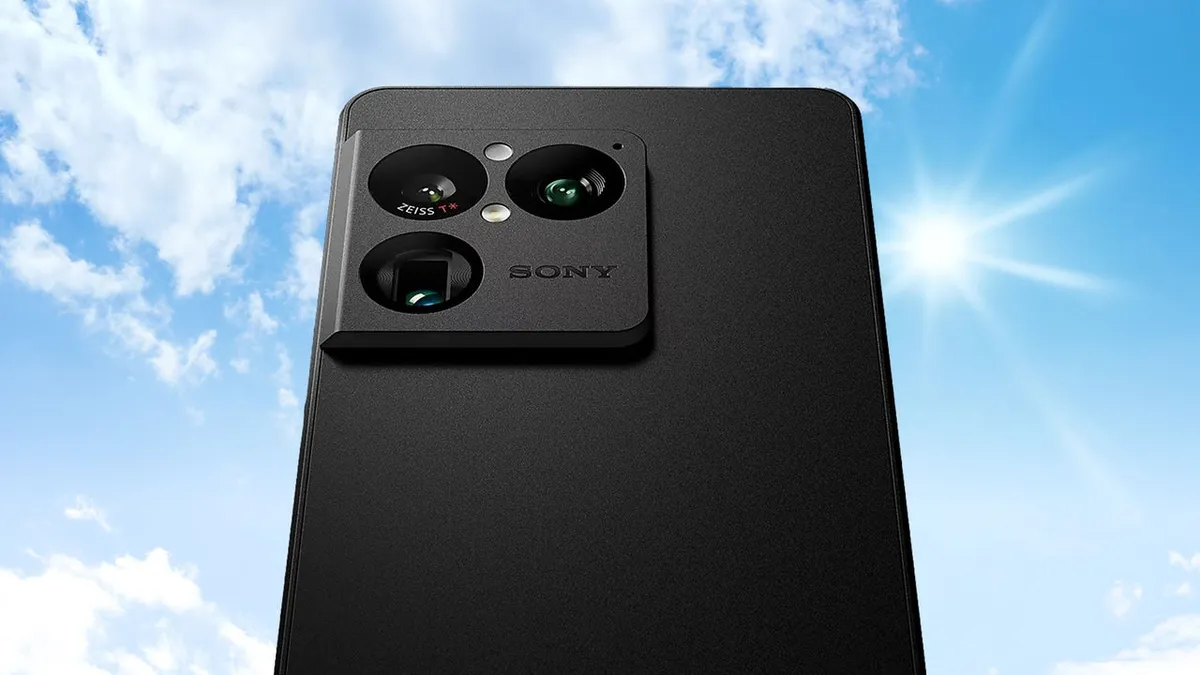
The official X account for the Sony Xperia smartphone posted examples from its shiny new 'AI Camera Assistant' - a tool designed to suggest lens settings, exposure tweaks, and color adjustments to help users take better shots. In theory? A reasonable idea. In practice? The example images shared in the post looked, to put it gently, like the AI had never seen a good photo before and was doing its best impression of one.
The internet did what the internet does. The post went viral for all the wrong reasons, and the screenshots are now making the rounds as a meme. Congratulations to Sony on the engagement metrics, at least.
Why this stings more than your average AI fail
This isn't some random startup slapping 'AI' on a product to chase investment. This is Sony - a company with decades of respected camera hardware behind it, from professional cinema equipment to the sensors inside half the flagship phones on the market. When your brand equity is 'we understand cameras', shipping an AI feature that demonstrably makes photos look worse is not just a fumble, it's a lore-breaking moment.
It also lands in a very crowded graveyard of AI camera features that promised to enhance reality and ended up smoothing faces into plastic, nuking background details, or adding a vaguely dystopian glow to everything. Computational photography is genuinely impressive when it works. When it doesn't, it really doesn't.
Is the backlash actually the point?
Here's the spicy take floating around: maybe going viral for being bad is still going viral. The AI Camera Assistant is now significantly more famous than it would have been if the example images had been perfectly fine. That's a depressing calculus, but it's not an inaccurate one.
Still, there's a difference between 'people are talking about us' and 'people are using us as a punchline' - and Sony probably knows which one actually moves units.
According to Fast Company, the backlash has been swift and widespread, with users gleefully pointing out that the 'before' versions of the photos looked considerably better than the AI-assisted 'after' versions. Which is, to be fair, the opposite of how improvement is supposed to work.
Better luck next firmware update, we suppose.