For decades, estate planning has been the financial equivalent of going to the dentist: everyone knows they should do it, nobody wants to, and the excuses are embarrassingly predictable. Too expensive. Too morbid. Too complicated. Somewhere between "I'll do it next year" and "well, I'm not THAT old," entire generations have left their assets legally unprotected.
But something quietly strange is happening, and a major new report has the receipts.
The barriers are falling - fast
Trust & Will surveyed 5,000 U.S. adults between January and February this year for their 2026 Estate Planning Report, and the findings are genuinely wild. According to the data, highlighted by Fast Company, those classic reasons Americans give for skipping estate planning are losing ground at a rapid clip.
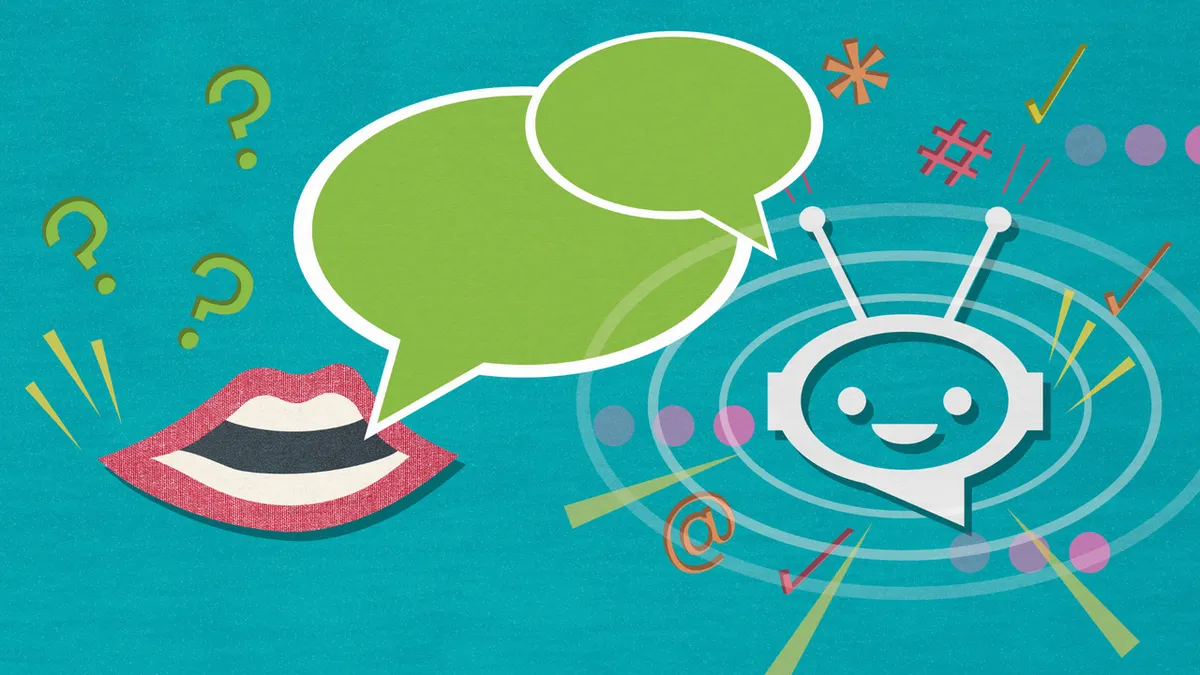
The most spicy finding? A growing number of Americans are expressing more trust in AI guidance on estate planning than in human professionals. Not mild curiosity. Not cautious openness. Actual preference.
Let that sink in for a second. People are more comfortable asking a chatbot about what happens to their house when they die than picking up the phone and calling an attorney.
Why this is both completely understandable and slightly unhinged
Here's the thing - it makes a weird kind of sense. AI doesn't judge you for not having a will at 47. It doesn't bill you $400 an hour while you nervously explain that yes, you do have a complicated family situation. It doesn't make you feel like an idiot for not knowing the difference between a trust and a will.
AI is patient, available at 2am, and - crucially - doesn't make the whole death-planning thing feel like a formal, expensive, emotionally loaded ordeal. For a task that people have historically procrastinated on precisely because it feels overwhelming and grim, that's actually a pretty significant UX improvement.
What this means for businesses
If you work in legal services, financial planning, or any industry where human expertise has traditionally been the whole pitch - this data is your wake-up call, not your eulogy. The opportunity isn't to fight the AI trust wave; it's to figure out how to work with it.
The report essentially shows that the emotional and logistical friction around estate planning is dropping. People ARE becoming more willing to engage with the topic. They just want to start the conversation on their own terms, with a tool that doesn't make them feel bad about themselves.
Which means the human experts who figure out how to meet customers after that AI-assisted onboarding moment? They're going to be just fine. The ones insisting that nothing should change? Well - they might want to update their own estate plans.