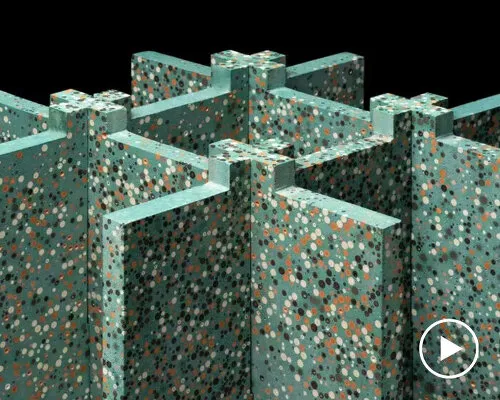
Here's a sentence you never expected to read on a Monday morning: the gross sludge sitting at the bottom of fish farms might be the next big thing in sustainable architecture. Chinese design studio Bentu has figured out how to transform aquaculture waste - yes, the murky pond sediment - into sleek, functional building panels. And no, they don't smell like fish.
Mud, but make it modular
The panels, called ceramsite panels, are made using geopolymer technology - a process that binds materials together chemically without firing them in a kiln. That last part is actually a huge deal. Traditional ceramics require enormous amounts of heat energy to produce. By skipping the firing stage entirely, Bentu sidesteps a massive chunk of the carbon cost usually associated with ceramic building materials.
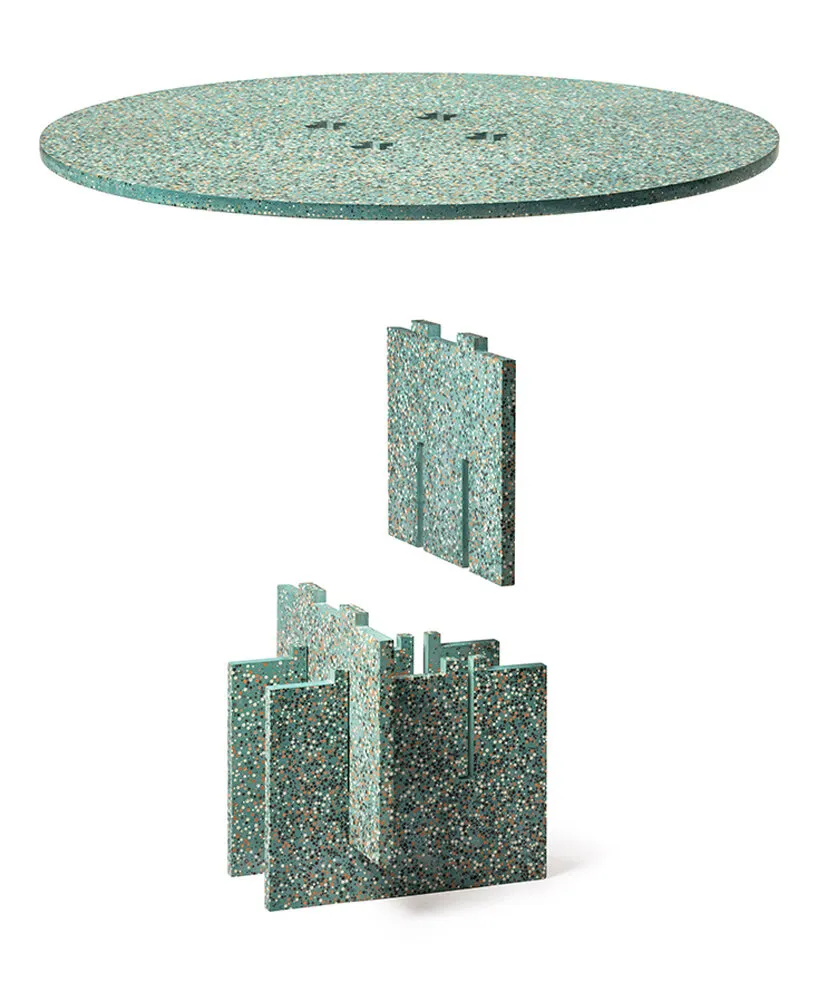
The raw material itself is pond sludge sourced from aquaculture operations - essentially the leftover biological waste from fish farming. It's a byproduct that normally creates a disposal headache for producers. Bentu's process takes that headache and turns it into something you could theoretically hang on a wall. Circular economy nerds, this one's for you.
Why this is actually a bigger deal than it sounds
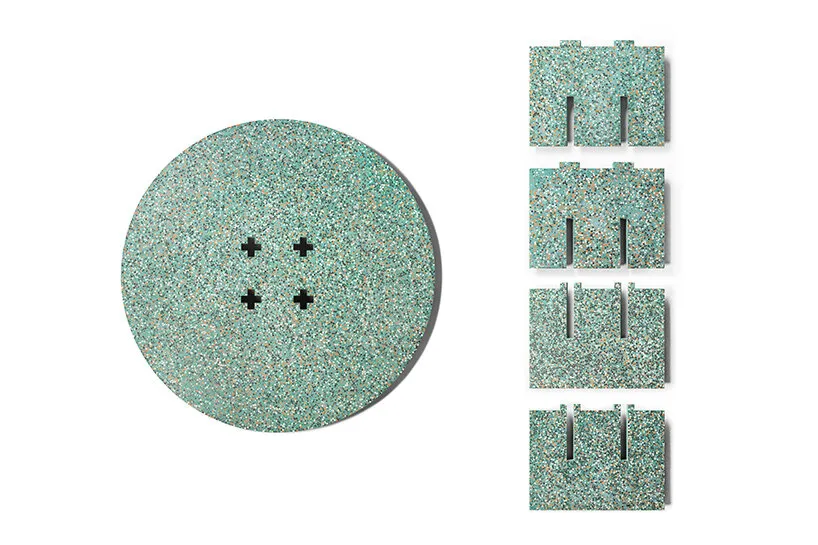
Look, "waste-to-material" is a phrase that gets thrown around a lot in design circles, often with very little to show for it beyond a mood board and some grant applications. What makes Bentu's ceramsite panels worth paying attention to - as reported by Designboom - is the specificity of the solution. They're not just gesturing at sustainability. They've identified a concrete waste stream, developed a low-energy transformation process, and produced a finished architectural product.
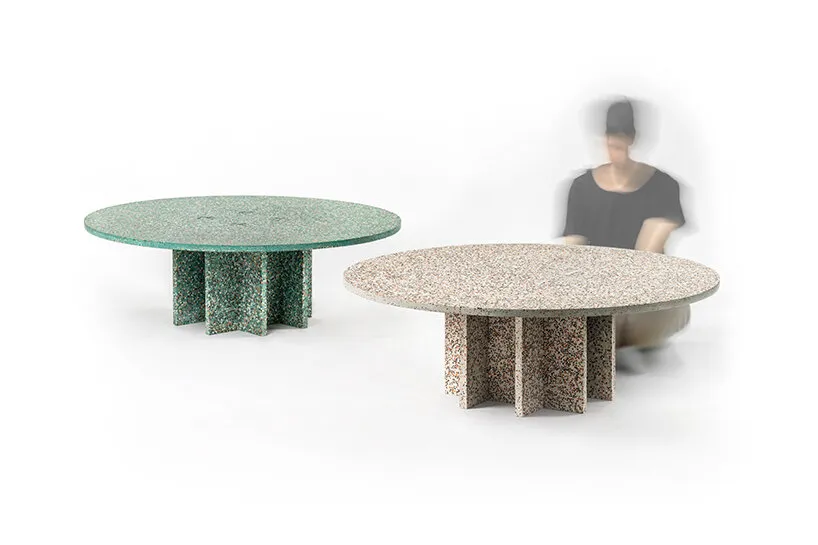
Aquaculture is one of the fastest-growing food industries globally, which means pond sludge is being generated at scale. Turning an abundant, problematic waste material into a building product isn't just clever - it's scalable in a way that matters.
The aesthetics aren't an afterthought either
Because this is Bentu we're talking about - a studio with a strong design identity - the panels actually look considered and intentional rather than "we made this from fish pond runoff and it shows." The material has a texture and finish that reads as architectural rather than experimental, which is often the difference between a concept that stays in a gallery and one that ends up on a building facade.
Whether ceramsite panels make it into mainstream construction remains to be seen. But as proof that waste streams we've been ignoring for decades can be redirected into genuinely useful products - without torching the planet to do it - this is a seriously promising development. Fish farms as material suppliers. Who saw that one coming?