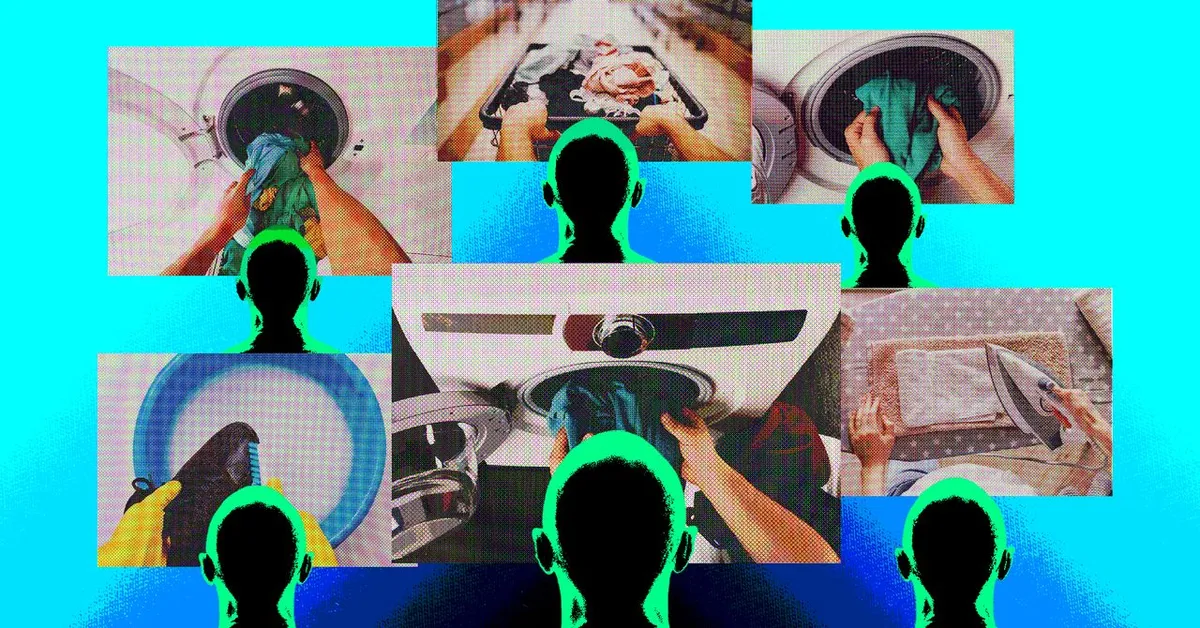
Congratulations, you have a new side hustle: being a biological training dataset. According to a fascinating experiment documented by Wired, real humans are now getting paid to film themselves doing ordinary household tasks - cooking, doing laundry, tidying up - so that future humanoid robots can learn to replicate those same tasks. Presumably better, faster, and without complaining about it on TikTok.
So wait, we're training our own replacements?
Yes. That is exactly what is happening. And apparently people are signing up willingly. The premise is simple enough: strap on a camera, do your dishes, collect a paycheck. The existential horror is free of charge.
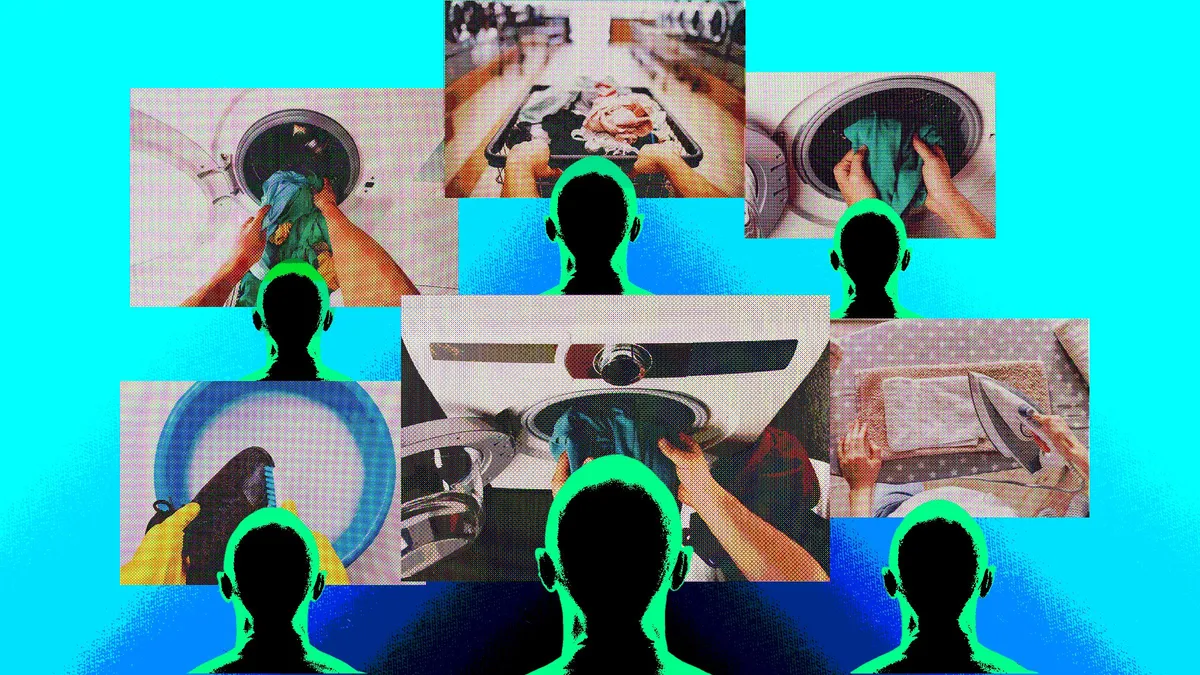
The companies building the next generation of home robots need what's called demonstration data - real footage of real humans doing real things in real messy kitchens. Not simulated. Not generated. Actual human muscle memory, captured and fed into a neural network until a robot arm can mimic the same motion without knocking over your mug collection.
The consequences nobody warned you about
Here's where it gets spicy. Wired's writer went through the whole process and found that the experience raises some genuinely uncomfortable questions. Who owns the footage of you scrubbing your bathtub? What happens to the data after the robot learns your particular style of half-heartedly mopping the floor? And perhaps most unsettling - once the robot has learned from enough humans, what exactly is the human still needed for?
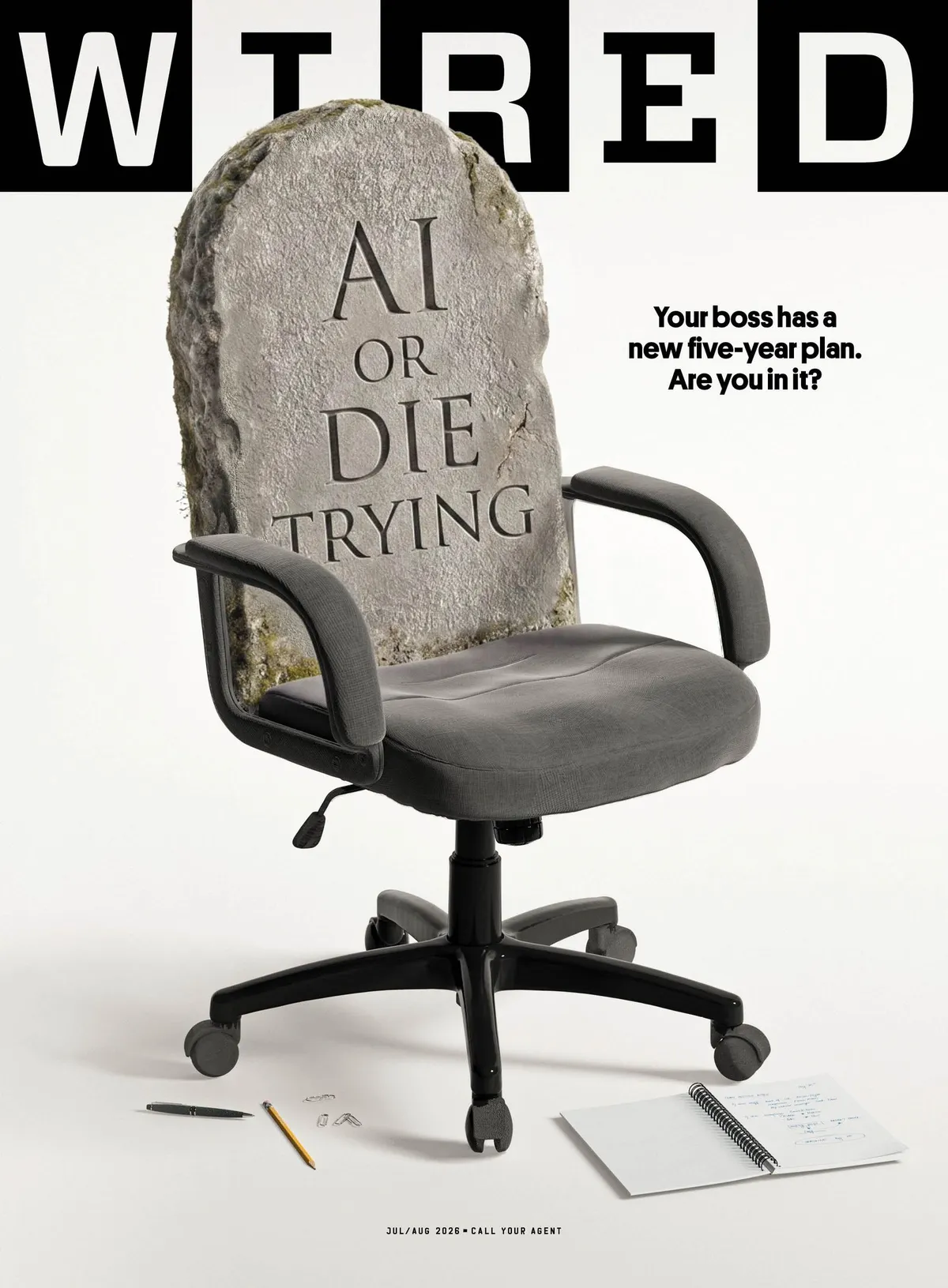
It's the gig economy eating itself. You're not just driving someone's groceries anymore. You're donating your embodied human knowledge - the kind that took you 30 years to accumulate - to a machine that will have it figured out by next Tuesday.
But also, kind of fascinating?
Strip away the robot-apocalypse vibes for a second and this is genuinely wild science. The reason companies need human footage is that household environments are chaotic in ways that are nearly impossible to simulate. Every kitchen is different. Every person grabs a pan differently. The unpredictability of real life is actually the point.
So in a weird way, your terrible, inefficient, distracted approach to doing laundry is scientifically valuable. Your flaws are features. Your chaos is the curriculum.
Whether that makes you feel better or significantly worse probably says a lot about your relationship with automation. Either way, the robots are watching. And they're taking notes.
Source: Wired