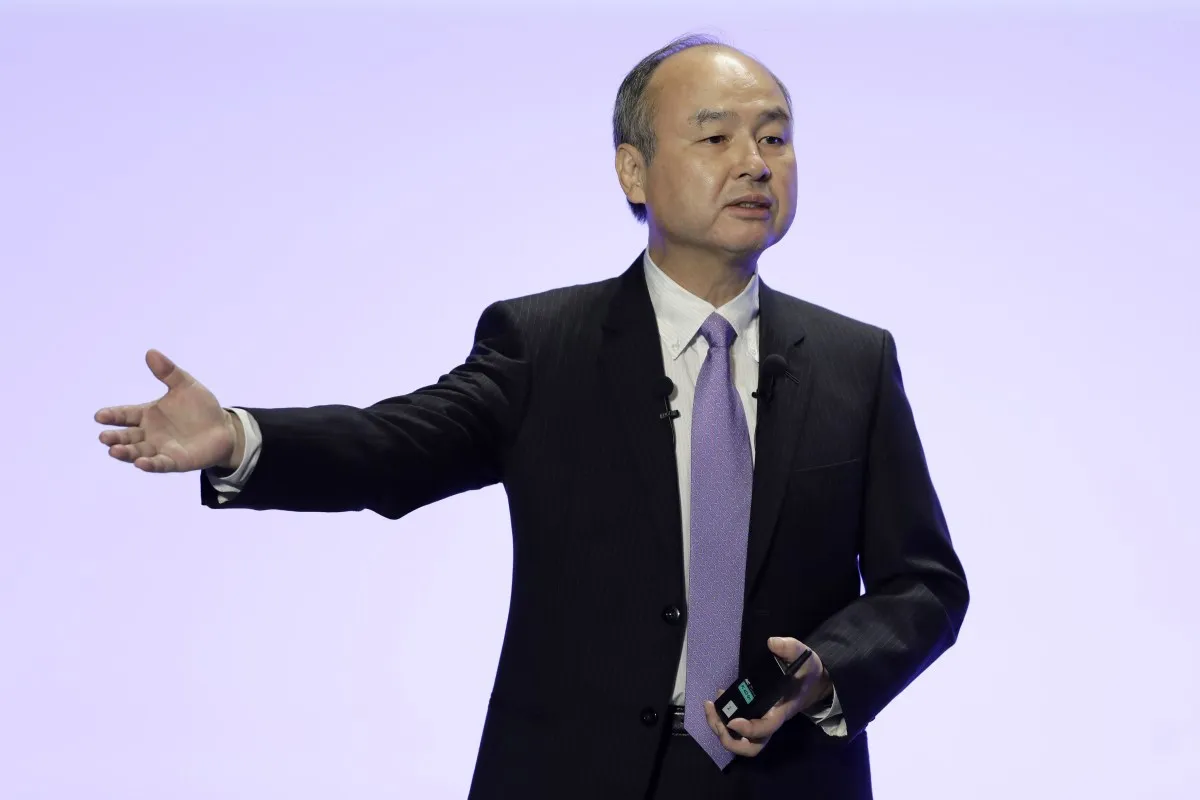
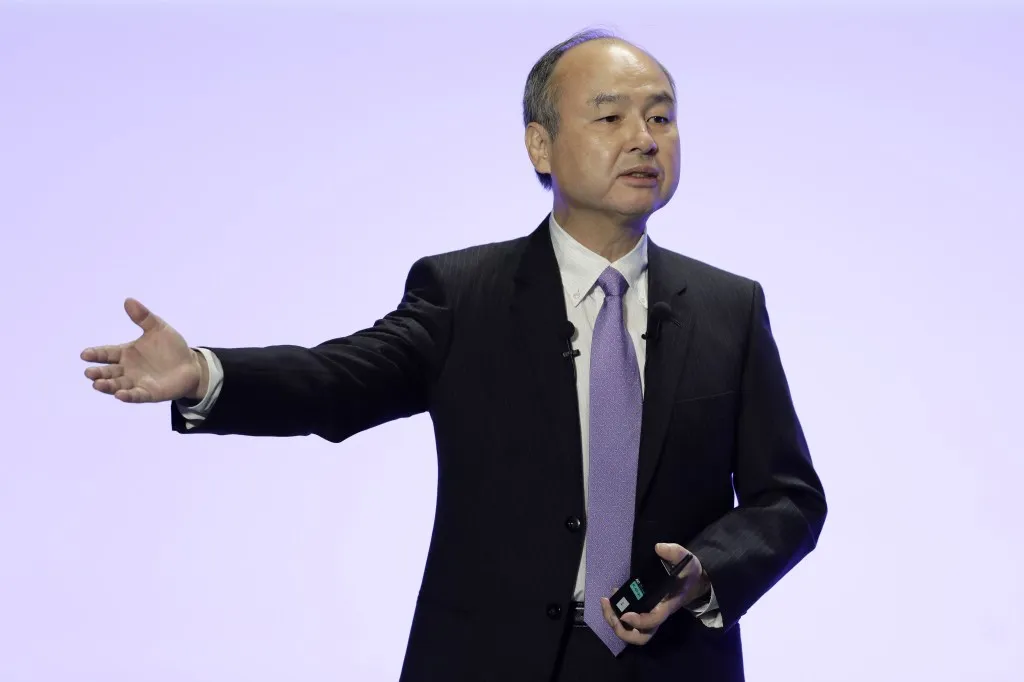
There's something almost poetic about SoftBank's latest venture. The Japanese investment giant is reportedly creating a robotics company whose core mission is building data centers - the very facilities that power the AI making those robots smarter. It's infrastructure and intelligence in a loop, each one feeding the other.
Why this is a bigger deal than it sounds
On the surface, it might sound like a corporate reshuffling. But what SoftBank is describing is a fundamentally different approach to how we build the physical backbone of the AI era. Right now, data centers are constructed the old-fashioned way - lots of human labor, long timelines, enormous costs. Bringing robotics into that process could compress both the time and money involved, at a moment when demand for AI computing power is growing faster than anyone can build to meet it.
The circular logic here is actually the point. You need powerful data centers to develop better AI. You need better AI to build smarter robots. And you need smarter robots to build those data centers faster. SoftBank is essentially betting it can own the whole loop.
The $100 billion question
According to reporting from TechCrunch, SoftBank is already eyeing a $100 billion IPO for this new company. That number is staggering - and it tells you something about how seriously the company is taking this vision, even before the business has fully launched. It also signals to the broader market that the intersection of physical robotics and AI infrastructure is being treated as one of the most valuable spaces in tech right now.

SoftBank has never been shy about big swings. From its massive Vision Fund bets on startups to its ownership stake in Arm, the company has consistently positioned itself at the center of whatever it believes the next wave of technology will look like. This move fits that pattern perfectly.
What it means for the rest of us
For anyone watching the AI race, this is a useful reminder that the competition isn't just happening in software labs. The physical world - the land, the power, the steel and cooling systems that make AI run - is becoming just as contested as the algorithms themselves. Whoever builds that infrastructure faster, and cheaper, holds enormous leverage.
SoftBank is making a clear bet that the answer to that challenge isn't more human construction workers. It's robots. And if they're right, the company that owns that process could be worth a lot more than $100 billion before long.