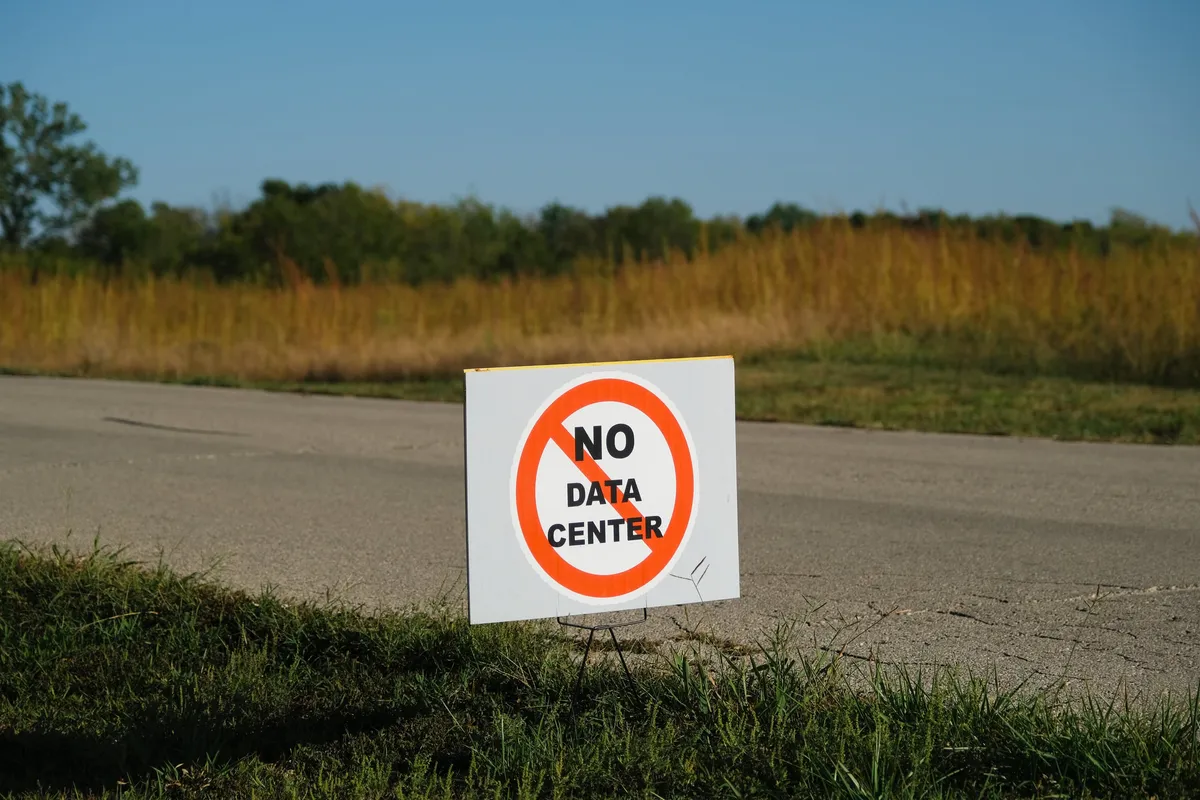
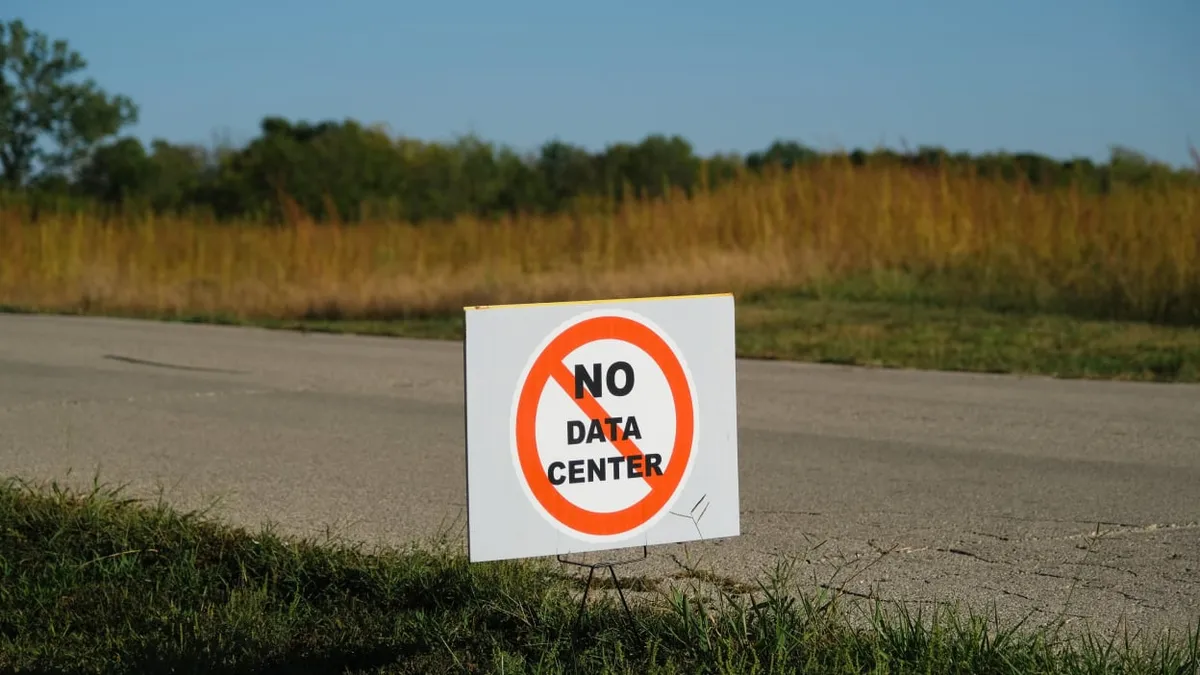
It turns out that when you approve a $6 billion data center without asking the people who actually live there, those people get pretty motivated to show up and vote.
That's exactly what happened in one Missouri town, where residents took swift action at the polls after local leaders greenlit a massive data center project. According to reporting from Mashable, it's part of a broader wave of pushback happening in small communities across the country - places where billion-dollar tech infrastructure deals are being struck, often with little public input, and residents are increasingly saying enough is enough.
Why data centers are landing in small towns
Data centers - the facilities that power everything from your cloud storage to your streaming habits - need a few key things: cheap land, reliable power, and ideally, a local government willing to offer tax incentives. Small towns check a lot of those boxes, which is why tech companies have been eyeing rural and suburban communities as prime real estate for these massive facilities.
For local leaders, the pitch is often framed around jobs and economic development. And that can sound appealing, especially in communities that have seen industries shrink over the decades. But residents are increasingly asking harder questions about what these projects actually deliver - and what they cost.
The real concerns driving the backlash
Data centers are not the quiet, unobtrusive neighbors they might sound like on paper. They consume enormous amounts of water for cooling, draw heavily on local power grids, and can generate significant noise. For communities built around a certain quality of life, those tradeoffs matter - and many residents feel they weren't given a proper say before deals were signed.
The response has been democratic in the most literal sense. Rather than just showing up to protest meetings, people are channeling their frustration into electoral action - voting out the officials who approved these projects and replacing them with candidates more aligned with community concerns.
A trend worth watching
What's happening in Missouri isn't an isolated story. It reflects a growing tension between the tech industry's infrastructure boom and the communities being asked to host it. As demand for AI and cloud computing continues to surge, the pressure to build more data centers is only going to increase - which means more of these local fights are coming.
For anyone living in a smaller community, this is a good reminder that local elections have very real, very tangible consequences. The decisions made in town halls and county commission rooms can reshape a neighborhood faster than most people expect. And as these Missouri residents showed, those decisions aren't always final.