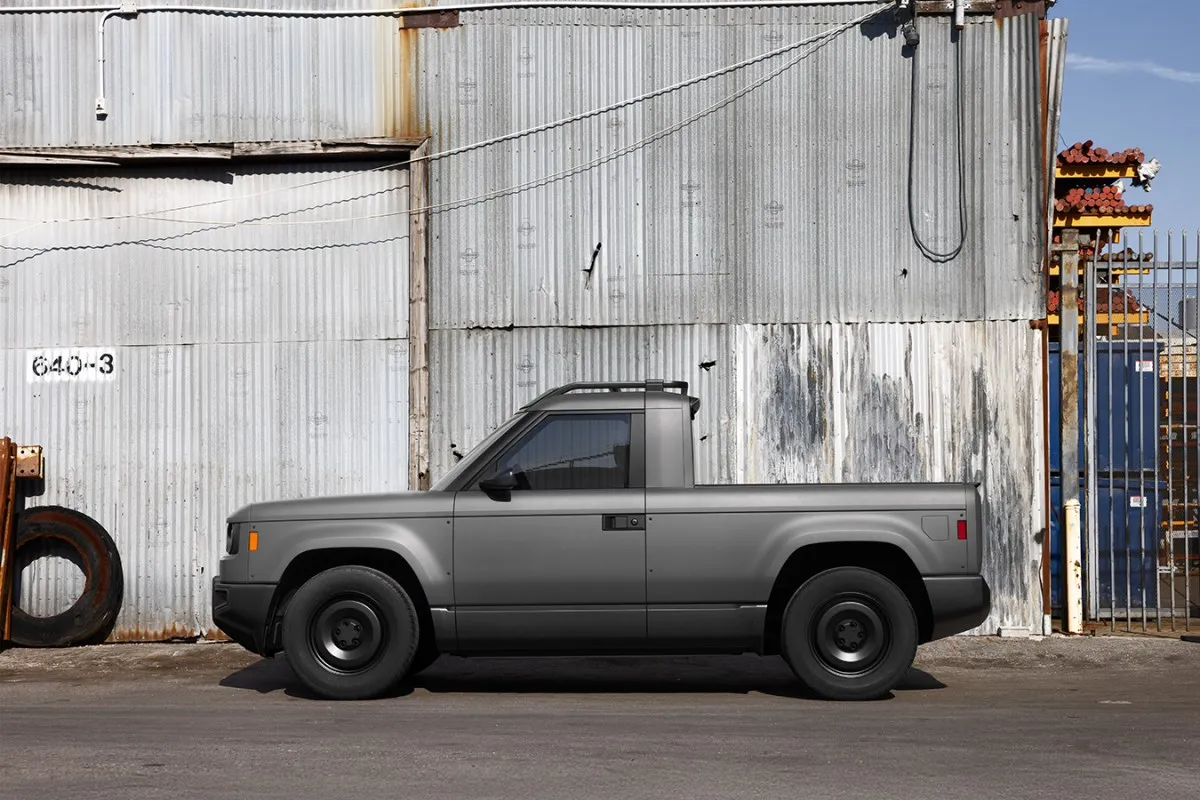
Electric vehicles have long carried a frustrating reputation for being out of reach for everyday buyers. Slate Auto wants to change that - and now it has $650 million in fresh funding to prove it can.
The EV startup announced a major new funding round led by TWG Global, a firm run by Mark Walter, the billionaire owner of the LA Dodgers. According to TechCrunch, TWG Global is an existing investor in Slate, meaning this isn't a vote of confidence from a newcomer - it's a firm doubling down on what it already believes in.
Why this matters beyond the dollar figure
Funding rounds in the EV space are nothing new, but $650 million is a number that signals something real is happening. Building a vehicle from scratch - especially one positioned to be genuinely affordable - is extraordinarily capital-intensive. Raw materials, manufacturing infrastructure, safety testing, supply chain logistics: it all costs a staggering amount before a single truck rolls off a line.
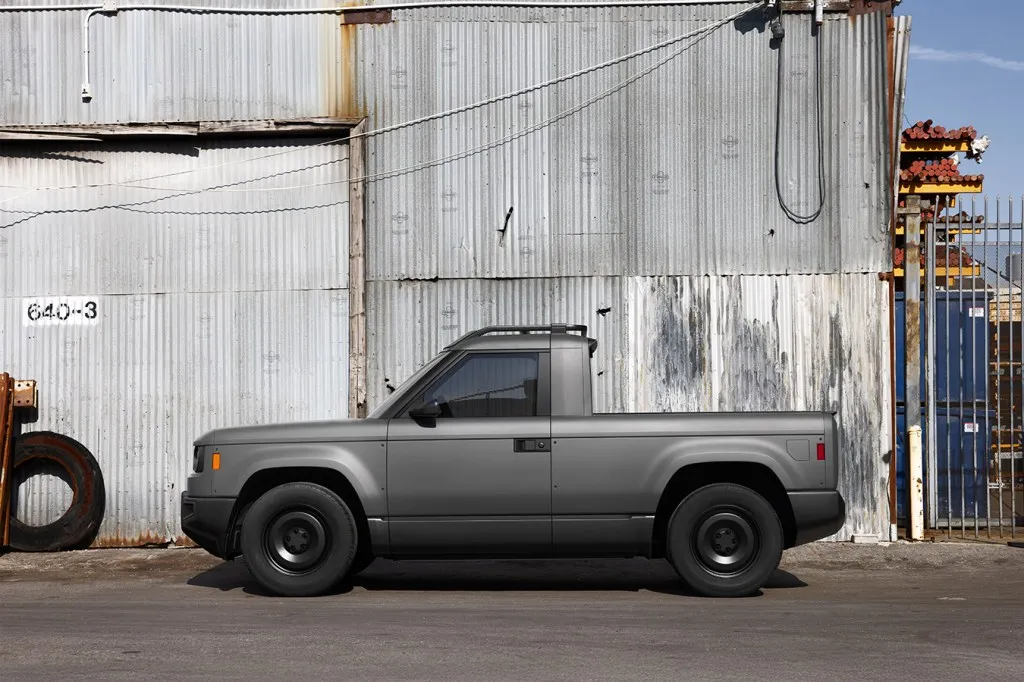
Slate has been quietly building buzz as one of the more interesting players in the crowded EV market. The company's pitch centers on bringing down the cost of electric trucks, which have so far skewed toward the premium end of the market. Think Rivian and its stylish but pricey lineup, or the divisive Cybertruck. Slate is targeting buyers who actually need a work truck and can't justify a six-figure price tag to get one with a plug.
The bigger picture for affordable EVs
There's a real gap in the market here. While automakers have made progress on EV adoption overall, the affordable segment - the kind of vehicles that middle-income Americans actually buy in large numbers - remains underserved. If Slate can deliver on its promise, it could open up EV ownership to a whole new demographic that's been largely left out of the conversation.
It's also worth noting the investor profile here. TWG Global is a serious, well-resourced operation, and Walter's involvement connects Slate to a network of major capital and business infrastructure. That's a different kind of backing than speculative early-stage money.
Slate still has a long road ahead - actually manufacturing and delivering vehicles at scale is where many promising EV startups have stumbled. But with $650 million in the bank and committed investors who clearly see long-term potential, the company is better positioned than most to make the leap from promising concept to cars people can actually buy.
Keep an eye on this one. The affordable EV truck space is about to get a lot more interesting.