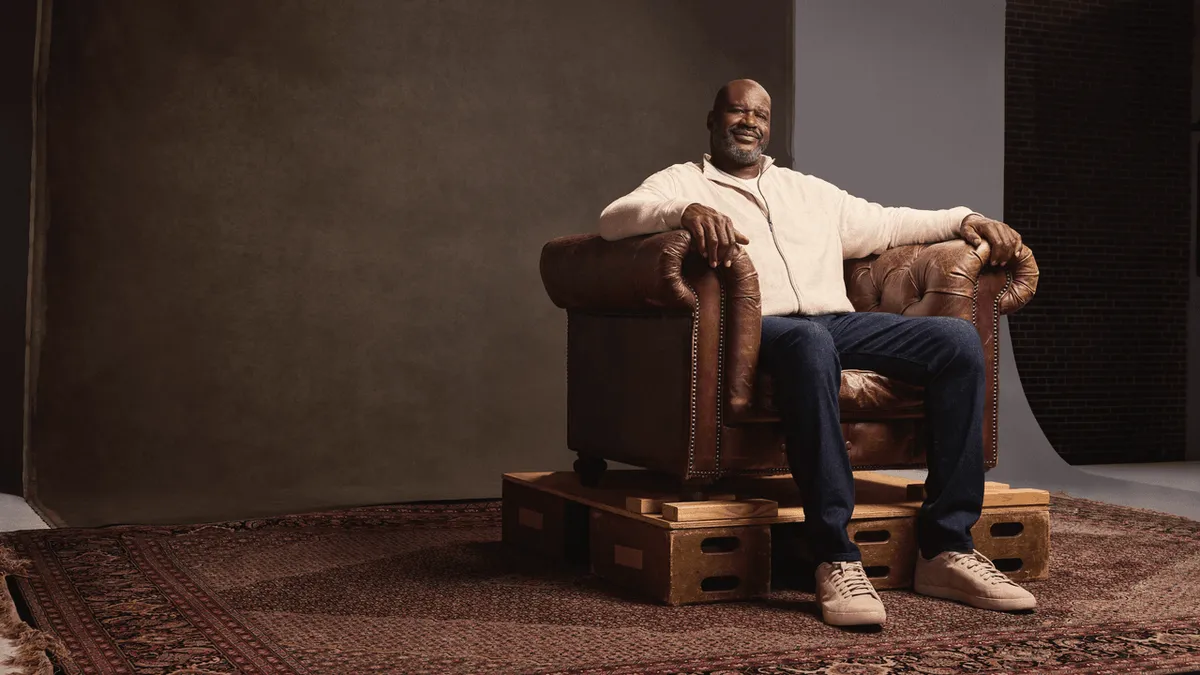
Shaquille O'Neal has won NBA championships, starred in a superhero movie nobody asked for, released rap albums, and somehow also become a legitimate DJ. The man does not stop. So when GQ reports that Shaq is now using a GLP-1 medication to help manage his health, the only surprising part is that he had any room left in his routine to add it.
Not just a weight loss thing
Here's where it gets genuinely interesting. Shaq isn't talking about GLP-1s as some vanity project or Hollywood quick-fix. According to GQ, the big man opened up about using the drug specifically to help treat his sleep apnea - a condition that, for the uninitiated, causes you to repeatedly stop breathing in your sleep and wake up feeling like you've been hit by a truck. Or, in Shaq's case, probably by a slightly smaller truck than usual.
Sleep apnea is massively underdiagnosed and wildly underestimated as a health threat. The fact that someone with Shaq's platform is talking about it openly is genuinely useful, even if the conversation is happening inside a glossy GQ profile.
The busiest retired person alive
GQ also notes that Shaq's schedule is, by any reasonable measure, absolutely unhinged. The man is still everywhere - business deals, TV appearances, DJ sets, endorsements. Retirement, for Shaq, apparently means swapping one type of exhausting physical performance for about seventeen others.
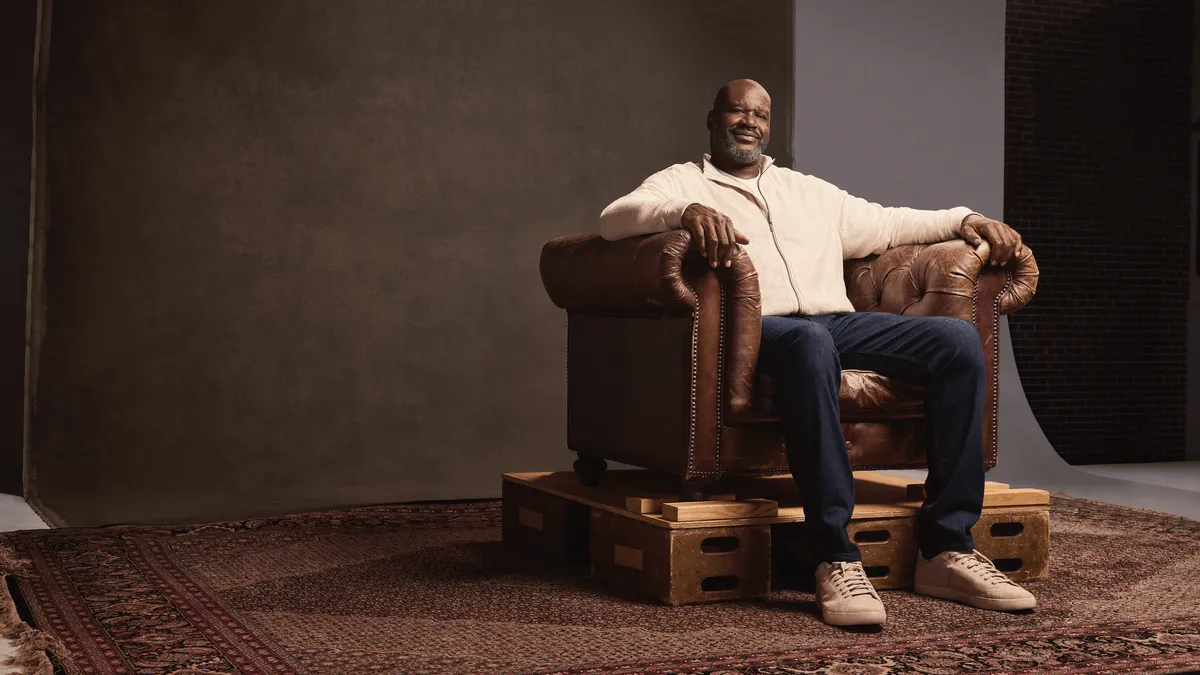
In that context, using a GLP-1 to support his overall health and energy makes complete sense. These drugs have been getting a lot of attention for weight loss, but the science behind them is broader than the headlines suggest. Appetite regulation, metabolic support, and yes - indirect benefits for conditions like sleep apnea when weight is a contributing factor.
Why this matters beyond celebrity gossip
Look, celebrity health confessions can feel like noise. But GLP-1 medications are genuinely reshaping how people think about metabolic health, and there's still a stigma around admitting you use them - as if taking a medication for a medical condition is some kind of moral failing.
Shaq talking about this openly, practically and without drama, does something useful. It normalises the conversation. It connects the drug to real conditions like sleep apnea rather than just red-carpet aesthetics. And it reminds everyone that even a seven-foot superhuman who once dunked on the entire planet still has to actively manage his health like the rest of us.
Just with, presumably, a much larger prescription bottle.