Forget DEET. Forget citronella candles that smell like a spa retreat for insects. The most devastating weapon in the war against mosquitoes has been sitting in your kitchen this whole time, quietly judging you for not using it.
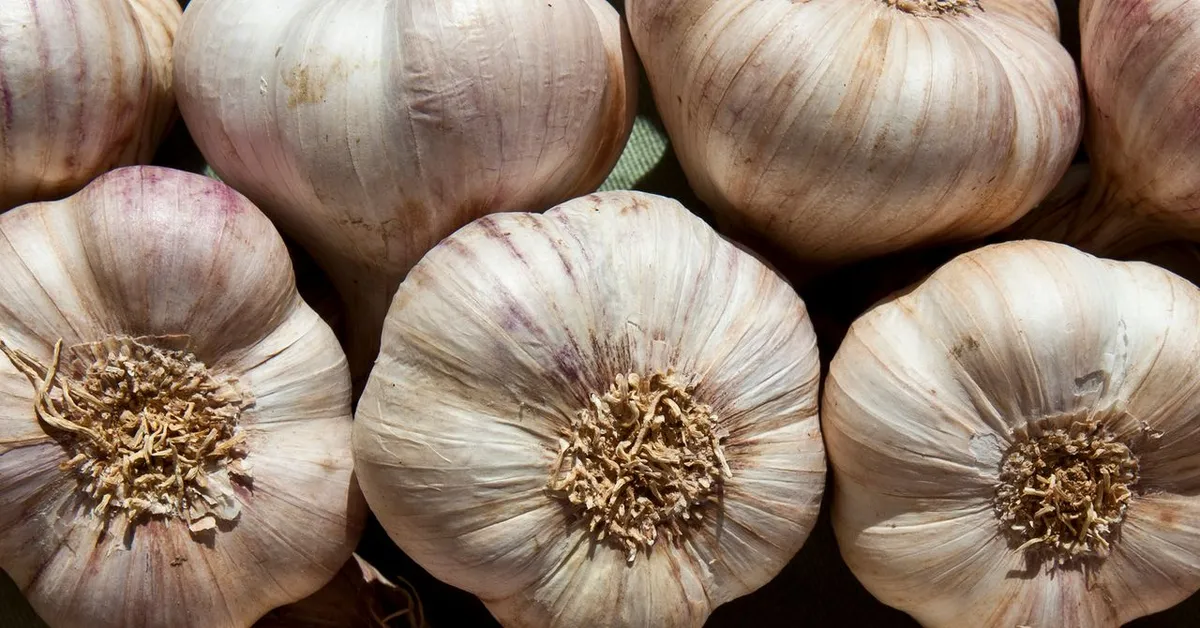
According to reporting by Wired, garlic doesn't just repel mosquitoes - it actually stops them from mating and laying eggs altogether. We're not talking about a minor inconvenience for the little blood-suckers. We're talking full reproductive shutdown. A mosquito extinction-level event, one clove at a time.
The villain of this story (for mosquitoes) is called diallyl disulfide
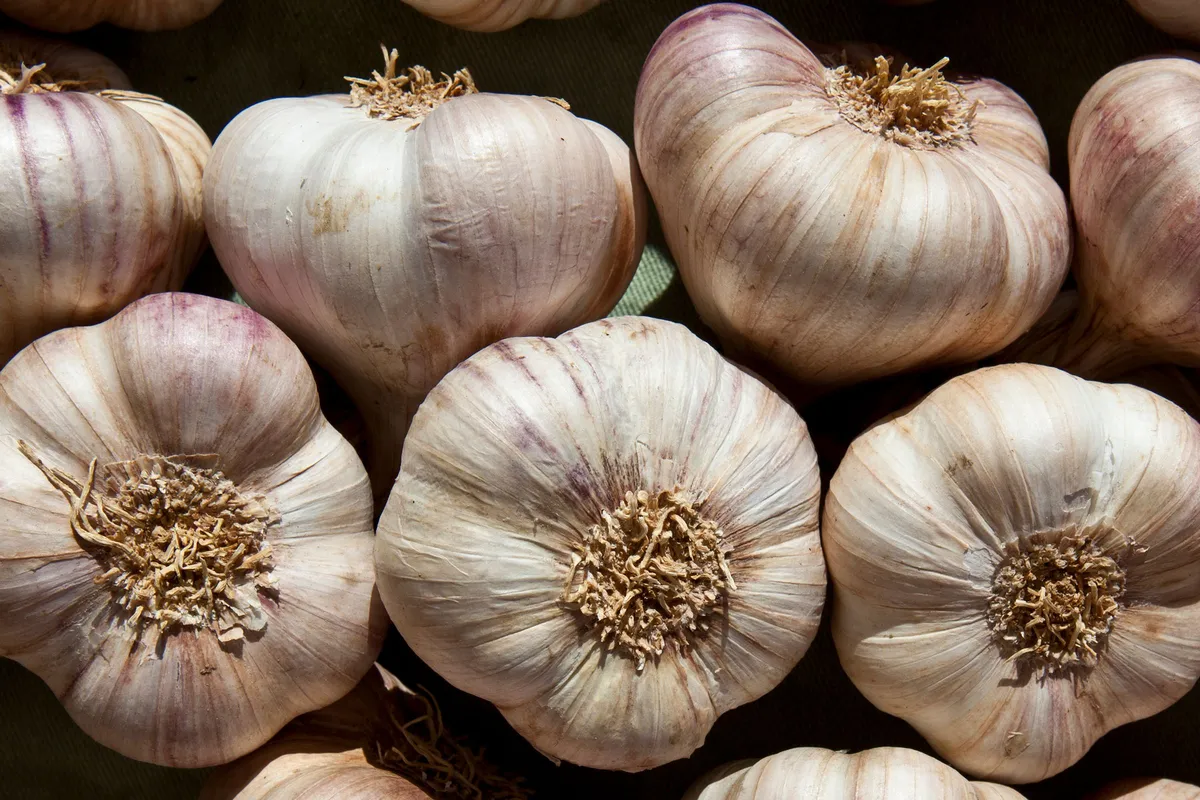
The compound responsible for all this mosquito misery is diallyl disulfide, which is also one of the main things that gives garlic its signature "I just made pasta" aroma. Turns out that smell, which humans have happily tolerated for centuries in exchange for good food, is basically chemical warfare for mosquitoes.
Diallyl disulfide doesn't just make mosquitoes want to leave the area. It interferes with their ability to reproduce. No mating. No eggs. No next generation of tiny winged nightmares humming around your ankles at 11pm. The garlic compound is pulling off a multi-generational disruption that any Silicon Valley startup would be proud to pitch.

Grandma knew before the scientists did
The delightful wrinkle here is that this is one of those folk wisdom moments where science spent decades catching up to something your grandmother already knew. Garlic as a mosquito repellent has been passed down through generations of kitchens and garden advice, nodded at politely, and quietly dismissed as old wives' tales by people who preferred to slather themselves in synthetic chemicals instead.
Those people owe grandma an apology.
So should you start rubbing garlic on yourself?
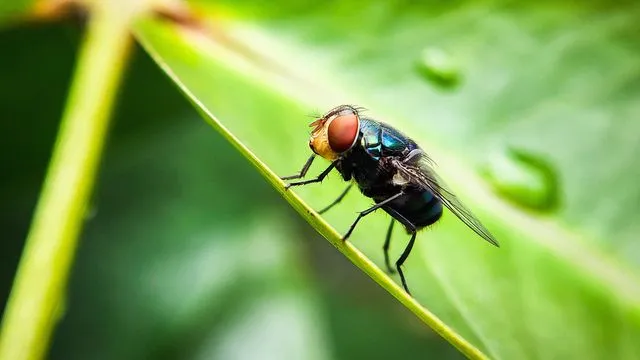
Before you start blending a garlic smoothie to rub on your arms before a barbecue, it's worth noting that the research is about the compound itself and its effects on mosquito behavior and breeding - not necessarily a field guide to DIY garlic-based bug spray. The science is the exciting part here, and it opens up genuinely interesting possibilities for natural, effective mosquito control that doesn't involve covering yourself in something that smells like a swimming pool.
But honestly? The next time someone mocks you for going heavy on the garlic at dinner, just tell them you're doing pest control. It's technically not wrong.