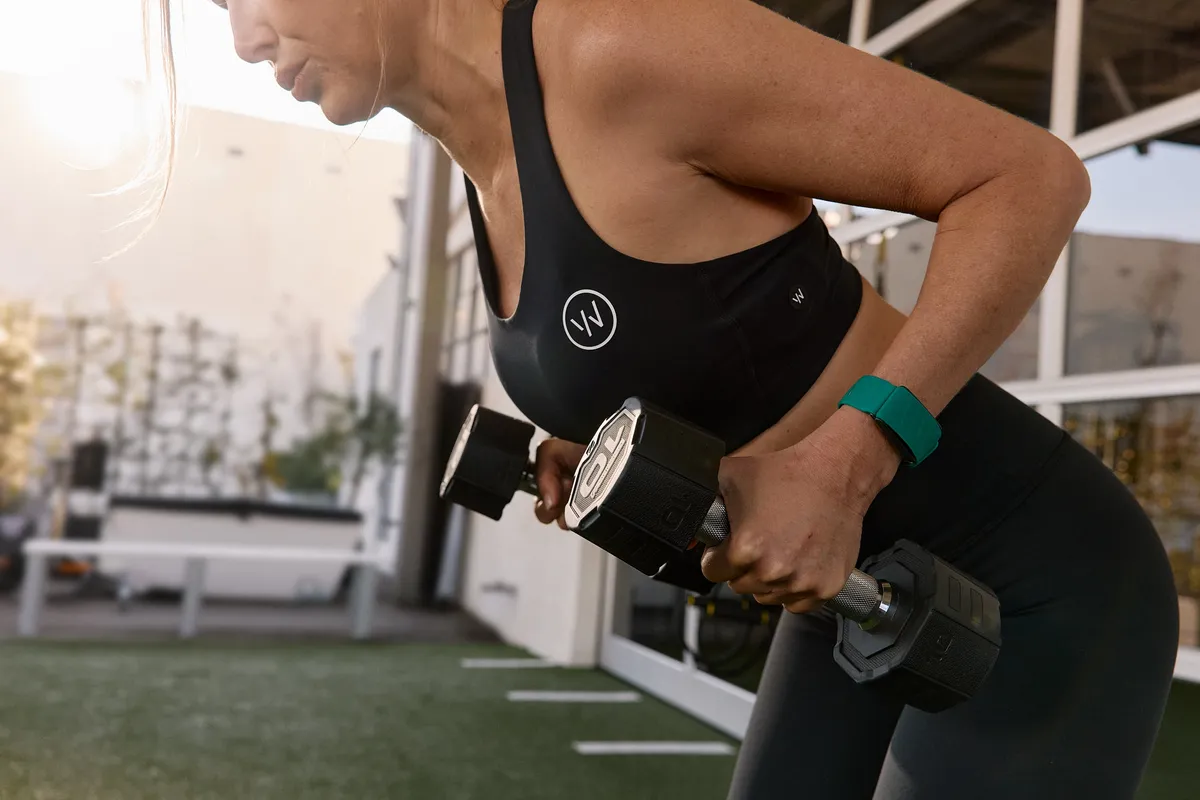
Remember when a fitness tracker just counted your steps and lied to you about how many calories you burned? Those were simpler times. Whoop, the bracelet-shaped overachiever strapped to the wrists of serious athletes and productivity obsessives everywhere, is leveling up in a big way.
According to Mashable, Whoop is rolling out live, on-demand video consultations with licensed clinicians directly through the platform. Yes, you read that right. The thing on your wrist that already judges your recovery score and passive-aggressively suggests you go to bed earlier will now connect you to an actual medical professional on demand.
So what does this actually mean for you?
Think of it like telehealth, but baked right into the ecosystem of a device that already has a mountain of your biometric data. Instead of opening a separate app, Googling your symptoms at 2am, and convincing yourself you have something rare and dramatic, you can just... talk to a real clinician. Wild concept.
This is a genuinely interesting move because context is everything in healthcare. A doctor who can see that your heart rate variability tanked this week, your sleep has been garbage, and your strain scores have been through the roof? That's a much richer conversation than showing up to a GP and saying "I've been feeling a bit off."
Why this is a bigger deal than it sounds
Wearables have been creeping toward actual health utility for years - think Apple Watch's ECG feature or glucose monitoring experiments. But Whoop's play here feels different because it's stitching together continuous monitoring with real human clinical judgment. That gap between "your data says something is wrong" and "here's what to do about it" has always been the missing piece.
The cynical read is that this is a monetisation play wrapped in wellness language. The optimistic read is that democratising access to clinicians - especially on demand, without waiting three weeks for a GP appointment - is genuinely useful for a lot of people.
Honestly? Both things can be true.
The bottom line
Whoop is betting that its users want more than numbers on a screen - they want answers. And if your fitness tracker can bridge the gap between data and actual medical guidance, that's not just a feature upgrade. That's a category shift. Whether this becomes the future of preventive healthcare or an expensive concierge service for the quantified-self crowd remains to be seen. Either way, your wrist just got a lot more interesting.