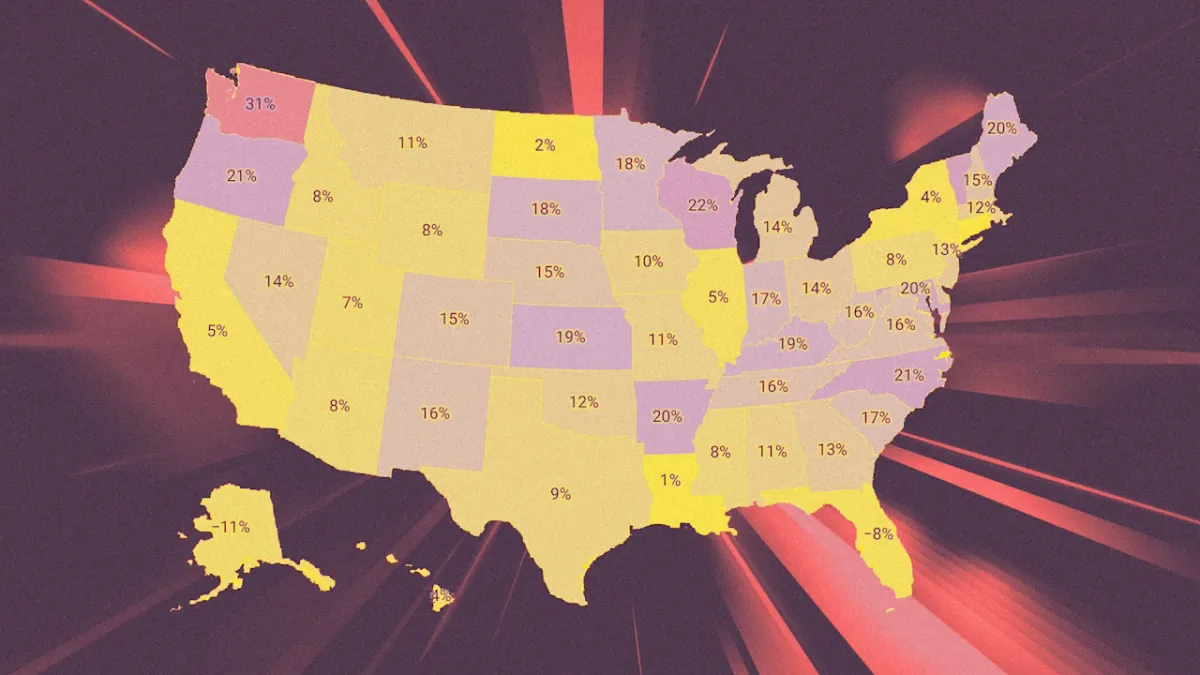
If you've been watching the housing market and wondering why it feels so different depending on where you look, inventory data might be your answer. As the core spring selling season gets underway, the gap between states with plentiful listings and those running on empty is wider than ever - and it has real consequences for buyers and sellers alike.
Why inventory levels matter so much right now
According to analysis from ResiClub, reported by Fast Company, tracking active listings and months of supply is one of the most reliable ways to understand where home prices are headed. The logic is straightforward: when homes sit on the market longer and listings pile up, pricing tends to soften. When inventory shrinks fast - faster than normal seasonal patterns would explain - it usually means a market is heating up and competition is intensifying.
In other words, before you make any big move (literally), it's worth knowing which kind of market you're stepping into.
A tale of two markets
The US housing market in 2025 isn't one market - it's dozens of them operating under very different conditions. Some states are heading into spring with a healthy cushion of available homes, giving buyers more choices, more negotiating power, and less pressure to waive contingencies or overbid. Other states remain starved of supply, where the classic frustrations of the post-pandemic frenzy haven't fully eased.
Sun Belt states that saw explosive growth during the remote-work boom have, in many cases, seen inventory recover more meaningfully. Meanwhile, markets in the Northeast and parts of the Midwest continue to struggle with tight supply, keeping upward pressure on prices even as affordability remains a widespread concern.
What this means for you
Spring is traditionally the busiest time of year for real estate, when more sellers list their homes and more buyers come off the sidelines. But the seasonal uptick in activity plays out very differently depending on your local inventory picture.
If you're buying in a low-inventory market, preparation is everything - getting pre-approved, knowing your must-haves versus nice-to-haves, and being ready to move quickly can make or break your search. If you're in a market where supply has rebounded, you may actually have room to negotiate, ask for repairs, or take a breath before signing anything.
For sellers, tight inventory remains a meaningful advantage - but it isn't a blank check. Overpricing is still a risk, particularly if mortgage rates keep cooling buyer demand at the margins.
The bottom line: local context matters enormously right now. National headlines about the housing market can only tell you so much. Digging into your state and city-level inventory data before making any decisions is one of the smartest things you can do this season.