When a century-old villa gets a contemporary makeover, opinions rarely stay quiet - and the renovation of Villa Quince in Lviv is proving no exception. This week, readers on Dezeen are weighing in on the project by Ukrainian architecture studio Replus Bureau, and the conversation is getting interesting.
A villa with layers of history
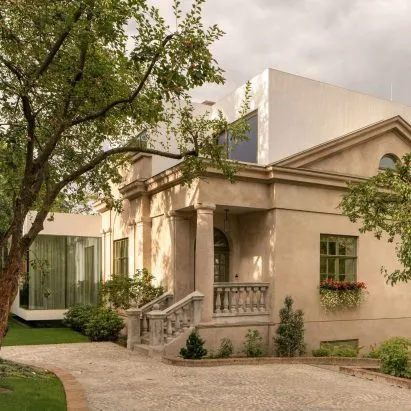
Villa Quince has been through a lot. Originally designed in 1906 in a neoclassical style, it was later reworked by architect Józef Hornung in 1922. That kind of layered history is exactly what makes a renovation project both exciting and tricky - every decision carries the weight of what came before it.
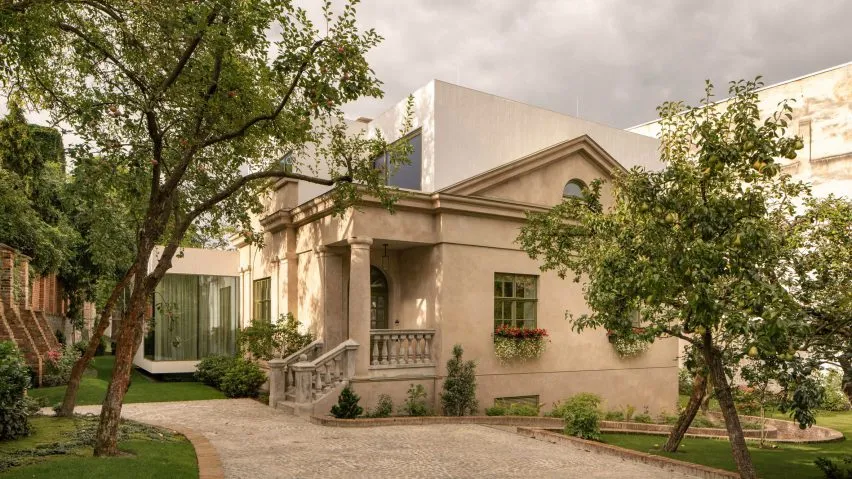
Replus Bureau's approach centered on contrast, playing the exposed surfaces of the existing structure against the newer interventions. It's a strategy that's become fairly common in heritage architecture, the idea being that honesty about different time periods is more compelling than trying to fake seamlessness.
Where readers push back
Not everyone is convinced. The comment thread on Dezeen captures a real tension in how we think about historic buildings. One commenter summed it up sharply: "They should have embraced what they avoided." It's a pointed critique, suggesting the studio may have hedged its bets rather than committing fully to either preserving the original character or boldly reimagining it.
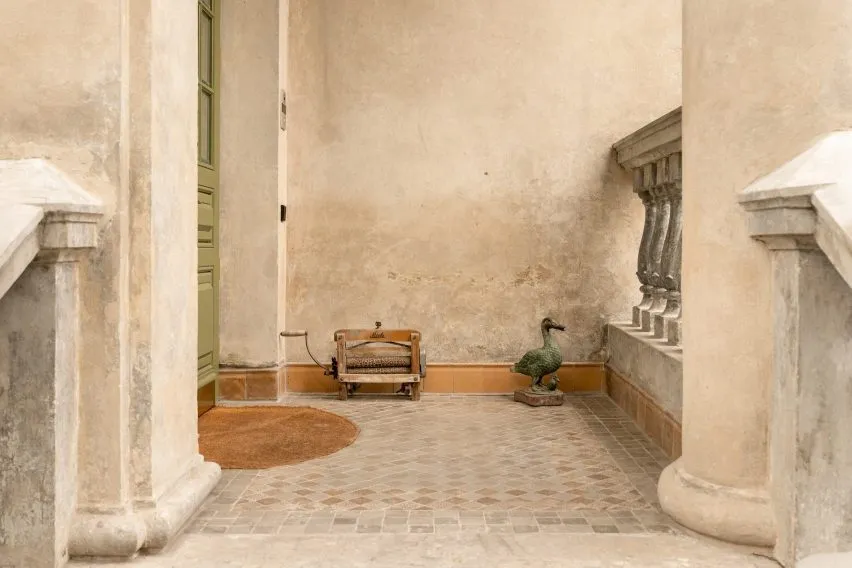
That kind of feedback is worth sitting with. There's a difference between contrast that feels intentional and energizing, and contrast that reads as indecision. Readers seem split on which side of that line Villa Quince lands on.
Why this conversation matters beyond one building
The debate around Villa Quince isn't really just about one house in Lviv. It touches on something a lot of people are wrestling with right now - how do we treat the built environment we inherit? Do we preserve it, transform it, or find some honest middle ground?
For a country like Ukraine, where cultural heritage carries enormous weight especially given the ongoing pressures of the past few years, these questions feel even more loaded. Architecture becomes a way of saying something about identity and continuity.
Replus Bureau's project is clearly sparking that kind of thinking, which, regardless of where you land on the design itself, is probably a good sign. The best architecture tends to make people argue a little.
The full reader discussion is available on Dezeen, and it's the kind of comments section actually worth reading.