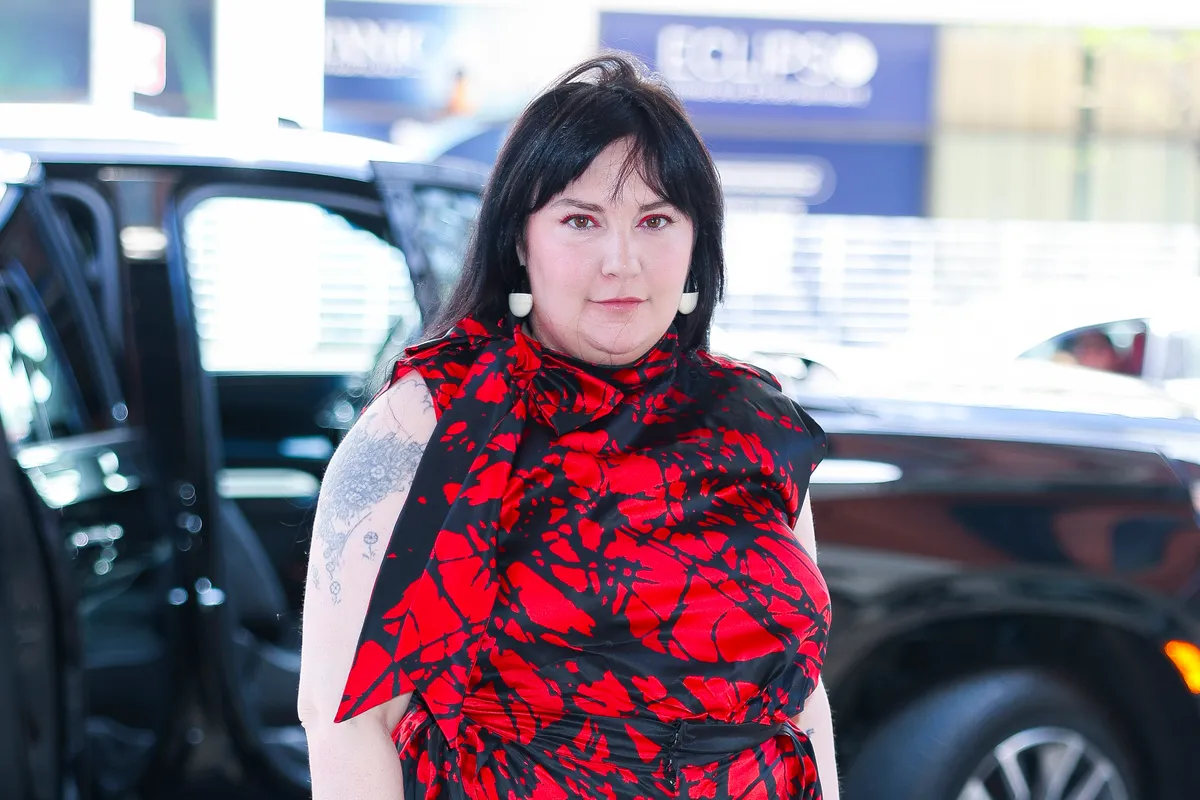
If you were online at any point during the 2010s, you probably have opinions about Lena Dunham. She was one of the most dissected women in pop culture - celebrated, criticized, cancelled, and cancelled again, sometimes within the same news cycle. Now she's back with a new memoir called Famesick, and something unexpected is happening: the discourse has flipped.
The think pieces have turned
For years, Dunham was the subject of endless cultural debate about whether she was problematic, overexposed, or simply too much. The hot takes were relentless. But as Vox reports, the wave of commentary greeting her return looks noticeably different this time around. Some writers aren't just welcoming her back - they're apologizing to her.
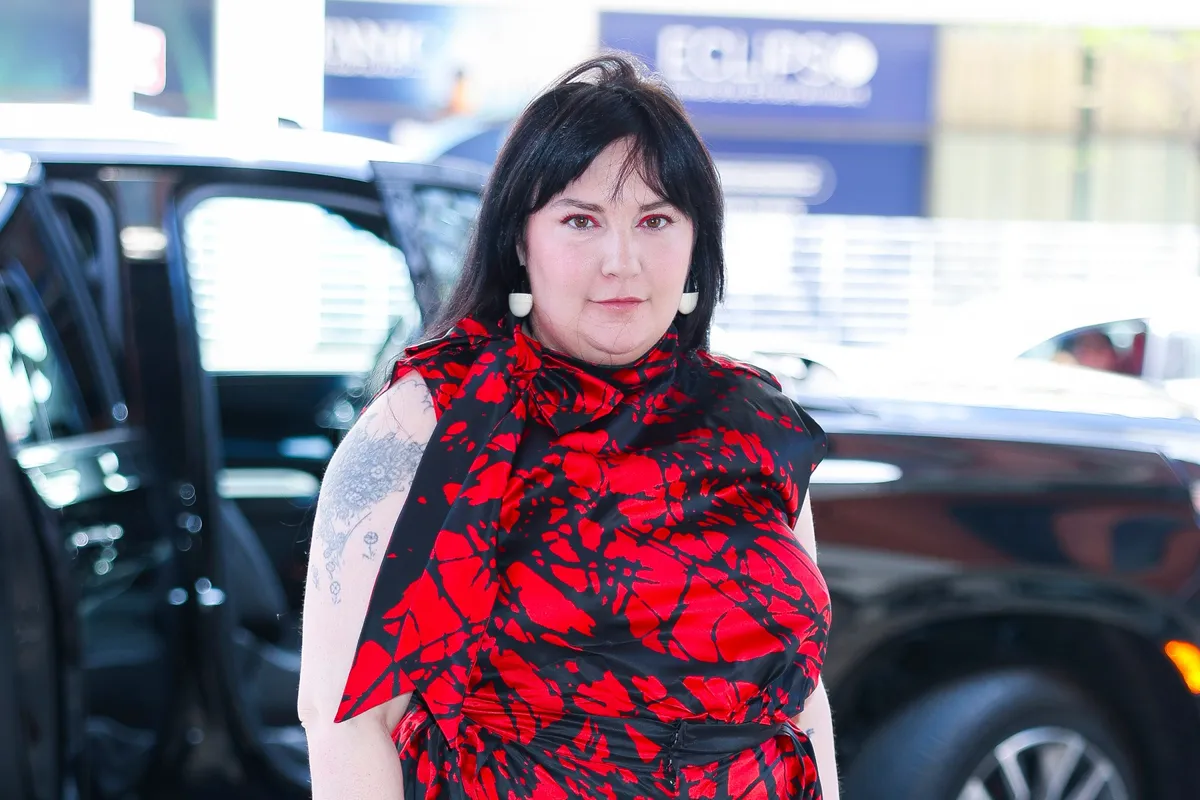
In a piece for MS Now, writer Rachel Simon declared, "We owe Lena Dunham an apology" - though, notably, that apology came with caveats attached. It's a telling detail. Even the mea culpas are complicated.
Why this moment matters
The Dunham re-emergence is interesting not just as a celebrity story, but as a kind of cultural barometer. It raises questions a lot of us are quietly sitting with: how do we feel about the pile-on culture of the 2010s internet? Did we go too far, or did the criticism serve a purpose? And when someone returns to the spotlight after years of backlash, what do we actually owe them - or ourselves?
There's something genuinely worth examining in the shift from "Lena Dunham is problematic" to "we were too hard on Lena Dunham." Both responses can contain truth simultaneously, which is exactly what makes this conversation uncomfortable and necessary.
Changed person, changed audience?
The title of the Vox piece - "Has Lena Dunham changed? Have we?" - might be the most honest framing of all. Because the real question isn't just about one person's public redemption arc. It's about how our collective relationship with internet outrage, public shaming, and cultural criticism has evolved over the past decade.
Whether you were a fan of Girls or a vocal critic, Famesick arrives at a moment when a lot of people are reassessing what the 2010s culture wars actually cost - and who paid the highest price. That's a conversation worth having, complicated caveats and all.