Something shifted. Erotica, long treated as a guilty pleasure best kept off the nightstand when guests came over, has stepped fully into the cultural spotlight - and it has absolutely no intention of stepping back out.
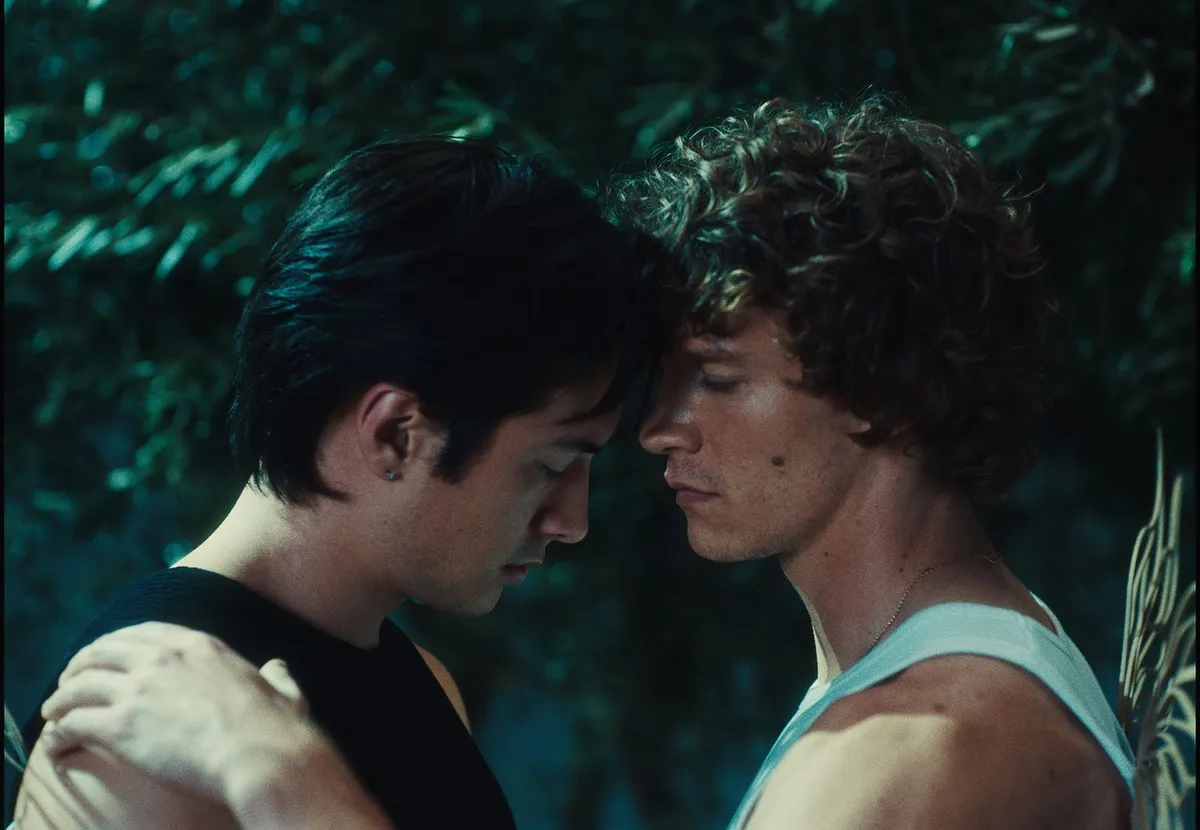
Writing for Vanity Fair, Savannah Walsh makes a compelling case that we're living through a giddy, uninhibited embrace of smut across entertainment, literature, and music. From the serialized heat of Heated Rivalry to the retro frankness of George Michael's I Want Your Sex getting a fresh reappraisal, kink and erotic storytelling are being celebrated rather than apologized for.
Not a phase, a shift
What's interesting here isn't just that people like sexy content - they always have. What's changed is the social permission around it. Talking openly about what you're reading, watching, or listening to used to carry a little embarrassment. Now? Recommending a scorching romance novel or a provocatively charged playlist is practically a personality trait, and a respected one at that.
This matters because it reflects something broader about how the 20-and-30-something generation relates to desire. There's less shame in the conversation, more curiosity, and a growing sense that exploring erotic content is just another dimension of living a full, self-aware life - not a secret to be managed.
Pop culture is catching up fast
The music and publishing worlds have been particularly quick to respond. Romance fiction with explicit content - often called "spicy" in online communities - has exploded on platforms like BookTok, turning once-niche titles into genuine bestsellers. Meanwhile, pop and R&B artists are leaning back into frank, sensual lyricism that the more sanitized mid-2010s largely abandoned.
There's also something refreshingly honest about this moment. Rather than cloaking desire in metaphor or keeping it at arm's length, creators and audiences alike seem ready to engage with it directly - with humor, warmth, and a lot less hand-wringing.
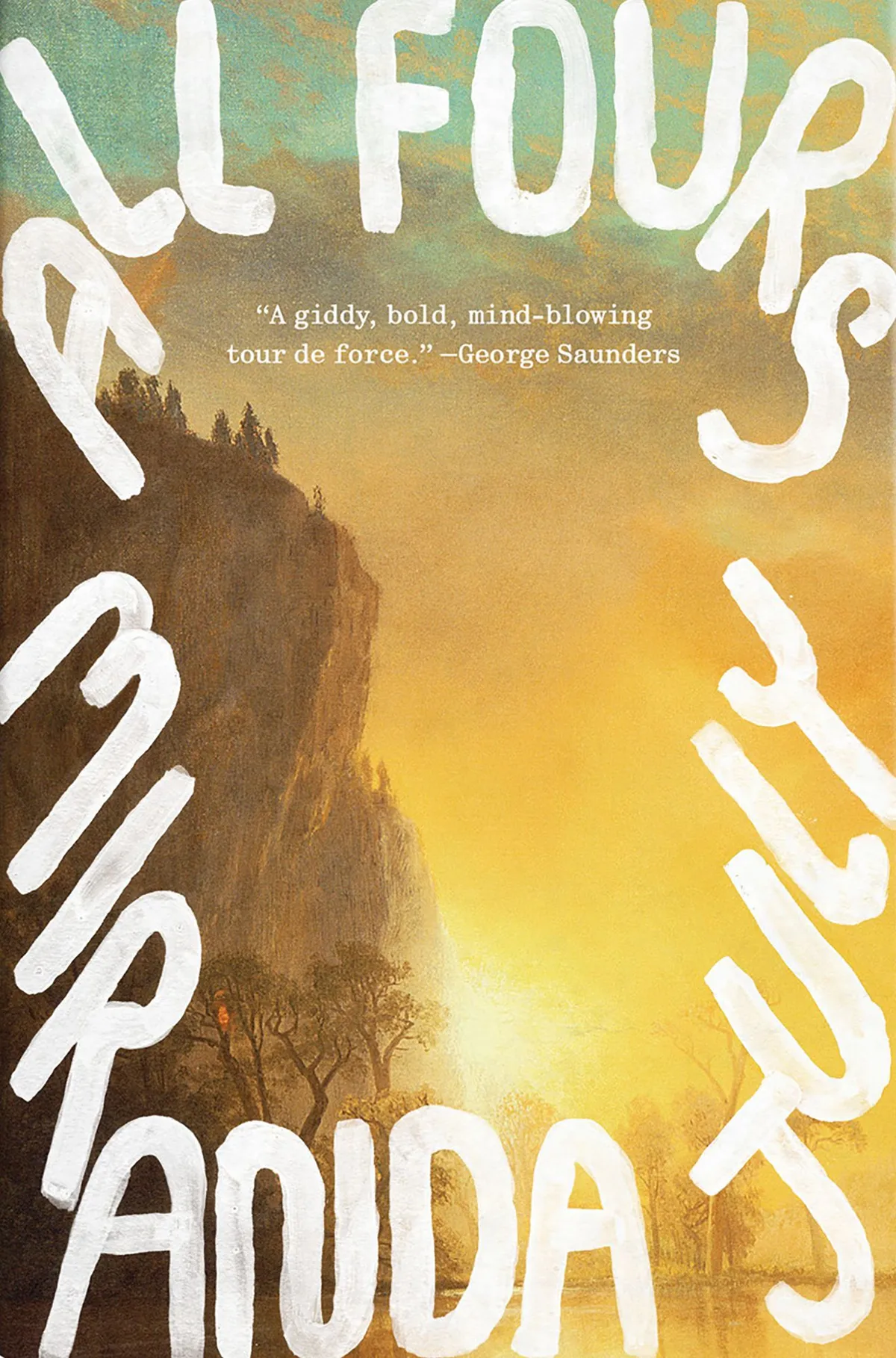
So what does this mean for the rest of us?
Practically speaking, it means the cultural gatekeeping around erotic content is loosening in real time. What you choose to read, watch, or enjoy is increasingly your own business - and more people are treating it that way. The conversation is getting more honest, the content is getting more varied, and the stigma is quietly dissolving.
Walsh's piece is worth reading if you want a sharper look at exactly how this moment is playing out across specific titles and artists. But the takeaway is clear enough: smut, as she puts it, is here to stay - and honestly, it seems pretty comfortable right where it is.