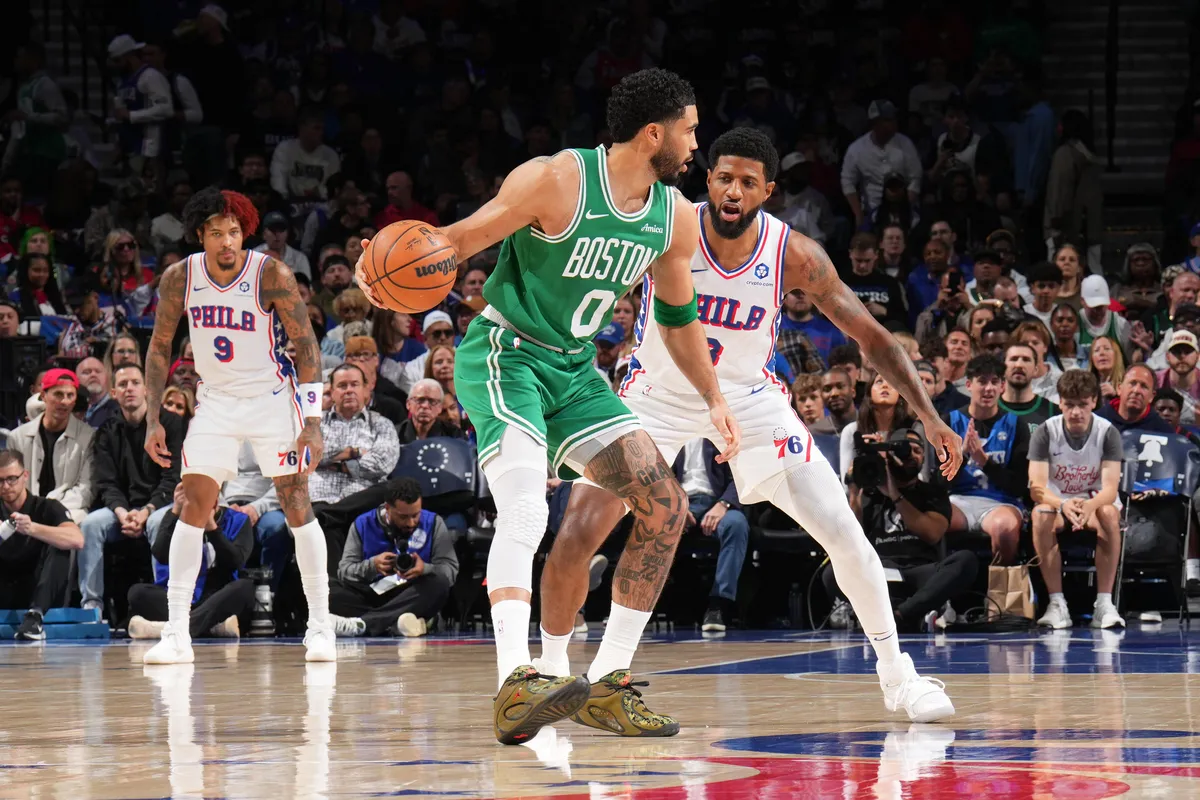
Here's a sports betting angle that probably hasn't crossed your radar yet: professional athletes are pushing back against a specific type of wager that lets people profit when a player gets injured or has a terrible game. And honestly, once you hear it, it's hard to argue with their concern.
According to Sports Business Journal, the player unions representing the NBA, NFL, MLB, NHL, and MLS have jointly written to the Commodity Futures Trading Commission (CFTC) urging regulators to ban prediction market platforms from offering so-called "unders" bets - wagers tied to a player underperforming or suffering an injury, as reported by The Verge.

Why this matters beyond the scoreboard
The unions aren't just lobbying for better optics. Their letter specifically calls out the need for "appropriate regulations" to shield athletes and their families from what they describe as "abusive and harassing behavior." That framing is important. When someone has money riding on a player getting hurt, the dynamic between fans and athletes shifts in a genuinely troubling direction.
Think about it from a human perspective: if a stranger on the internet stands to gain financially from your bad day at work - or worse, your physical injury - that's a pretty unsettling situation. Now imagine that person has your social media handles and a lot of free time.
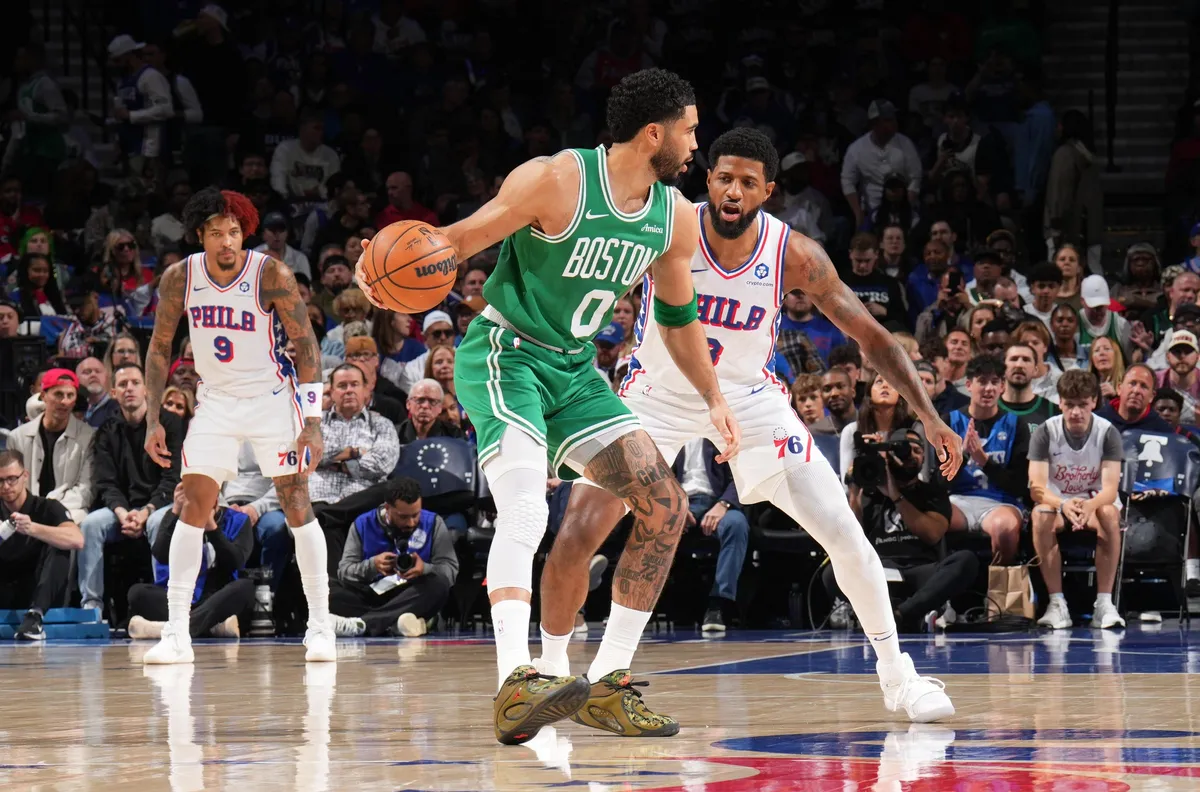
The timing is deliberate
The letter was written in direct response to the CFTC's open request for public comment on prediction market regulations, which means the unions are moving strategically. They're not just venting - they're inserting themselves into an active regulatory process at exactly the right moment.
Prediction markets have been growing fast, moving well beyond niche financial circles into mainstream sports culture. Platforms in this space allow users to speculate on real-world outcomes, and while much of that can feel relatively harmless, the ability to profit specifically from an athlete's misfortune is a corner of the market that clearly warrants a closer look.

A conversation worth having
Sports betting in general is now legal in most U.S. states and thoroughly woven into how many fans experience games. But there's a meaningful difference between betting on who wins a championship and placing money on whether a specific person gets injured. One is rooting for an outcome; the other creates a financial incentive for harm.
Whether or not regulators act quickly, the fact that five major sports leagues are aligned on this issue signals that the conversation around responsible sports betting is getting more nuanced - and more urgent.