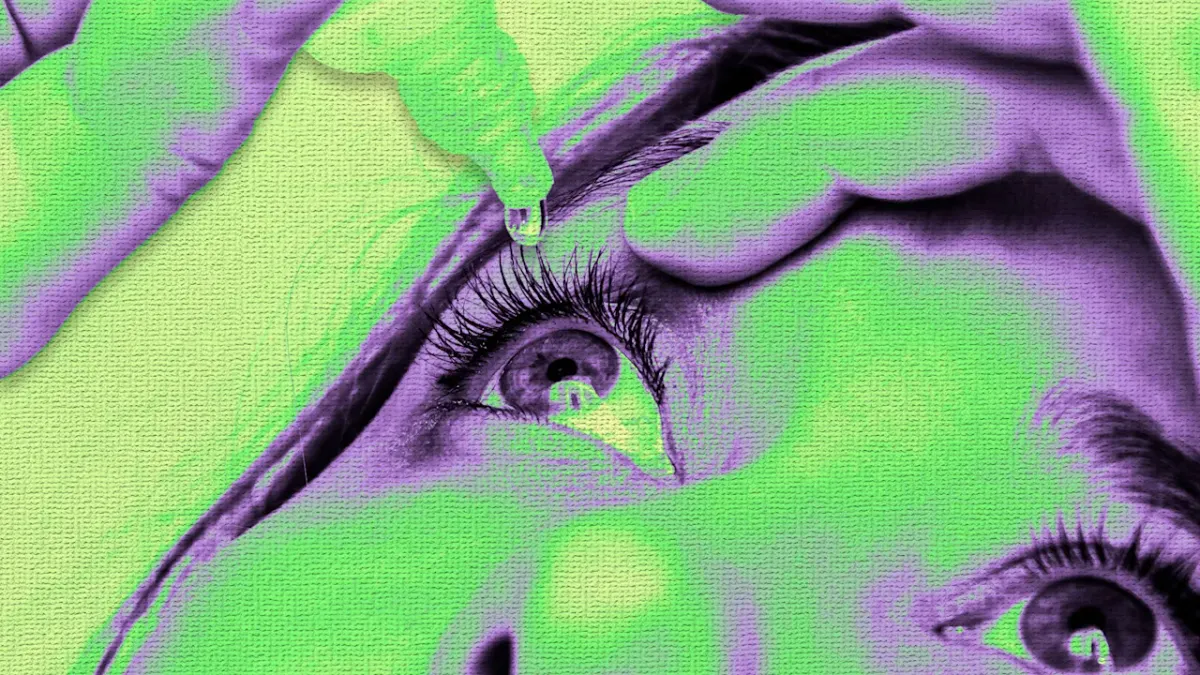
If you've got a bottle of lubricating eye drops in your medicine cabinet, it might be worth a closer look. K.C. Pharmaceuticals, a California-based company, has recalled more than 3.1 million bottles after failing to properly test whether its products were actually sterile - meaning there's no proof the drops are safe to put in your eyes.
The recall was initiated on March 3, 2026, and affects products sold under multiple brand names at major retailers across the country. Fast Company, drawing on analysis from a clinical pharmacologist and pharmacist with expertise in drug manufacturing quality, broke down why this situation is more alarming than a routine product pull.
Why sterility in eye drops is non-negotiable
Your eyes are not forgiving when it comes to contamination. Unlike, say, a lotion or a supplement, anything you put directly onto your eye has a fast track to sensitive tissue - and potentially your bloodstream. Non-sterile eye drops can introduce bacteria or other pathogens that cause serious infections, and in worst-case scenarios, that can mean permanent vision damage.
The problem here isn't that the drops were definitively found to be contaminated. It's that the company couldn't demonstrate they weren't. In pharmaceutical manufacturing, that distinction matters enormously. Proper sterility testing isn't optional - it's a core requirement, and skipping or mishandling it is exactly the kind of lax practice that regulators exist to catch.
A recurring problem in the eye drop industry
This recall doesn't exist in a vacuum. Eye drops have been a recurring trouble spot for pharmaceutical quality control in recent years, with several high-profile recalls linked to manufacturing failures at various facilities. The pattern points to an industry segment where oversight and production standards have struggled to keep pace.
For consumers, the takeaway is straightforward - check what you're using. Look up whether your specific product is included in this recall, and when in doubt, stop using it and talk to a pharmacist or doctor about alternatives. Most lubricating eye drops are available in plenty of other formulations from manufacturers with cleaner records.
What to do right now
- Check the brand name and lot number on your eye drops against the official recall list on the FDA website.
- If your product is affected, stop using it immediately.
- Don't just toss it - check for guidance on how to return or dispose of recalled medications safely.
- Ask your pharmacist to recommend a verified alternative if you need ongoing dry-eye relief.
It's easy to assume that anything sold on a shelf at a major retailer has been rigorously vetted. This recall is a good reminder that the system isn't foolproof - and that paying attention to product news is genuinely part of looking after your health.