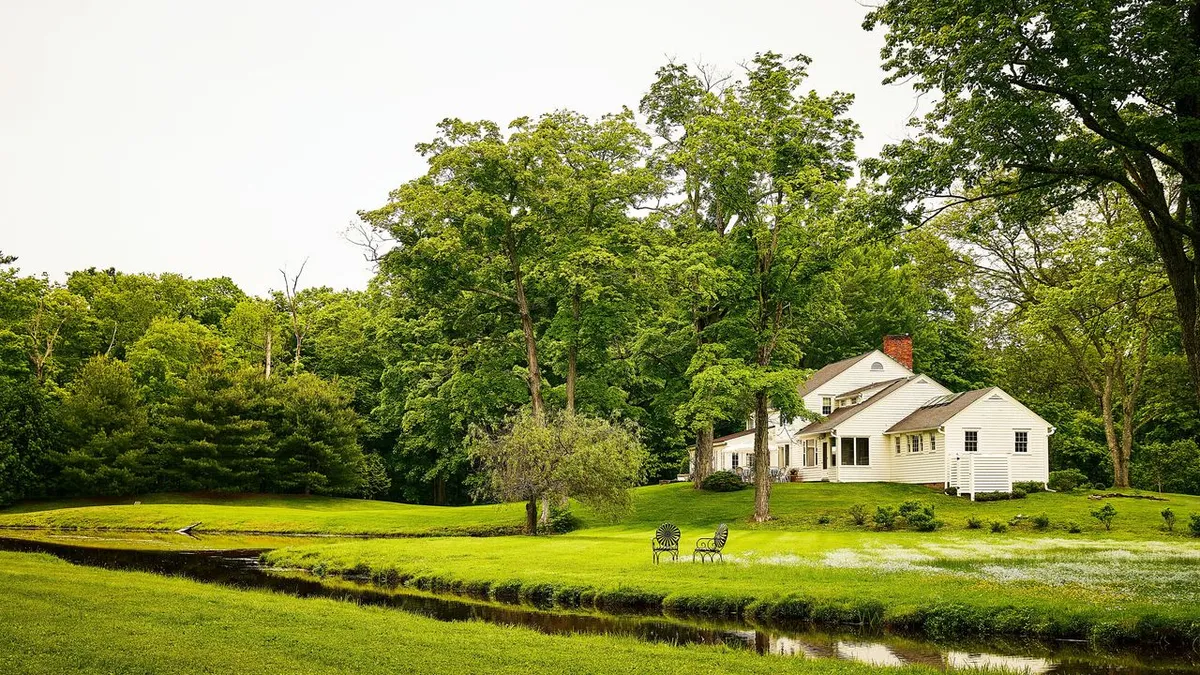
Every spring, the 'No Mow May' movement picks up steam on social media, encouraging homeowners to put the lawnmower away for an entire month in the name of supporting pollinators. The idea is simple and appealing: let the dandelions bloom, let the clover spread, and give bees a fighting chance. But is skipping mowing for a full month actually the right move for your lawn and your local ecosystem?
Where the idea comes from
No Mow May started as a UK-based initiative and crossed the Atlantic quickly, resonating with a growing crowd of eco-conscious homeowners who want their outdoor spaces to do more than just look tidy. The logic is solid at its core - lawns mowed to a uniform inch offer almost nothing to pollinators, and letting things grow a little gives early-season bees access to food when it can be scarce.
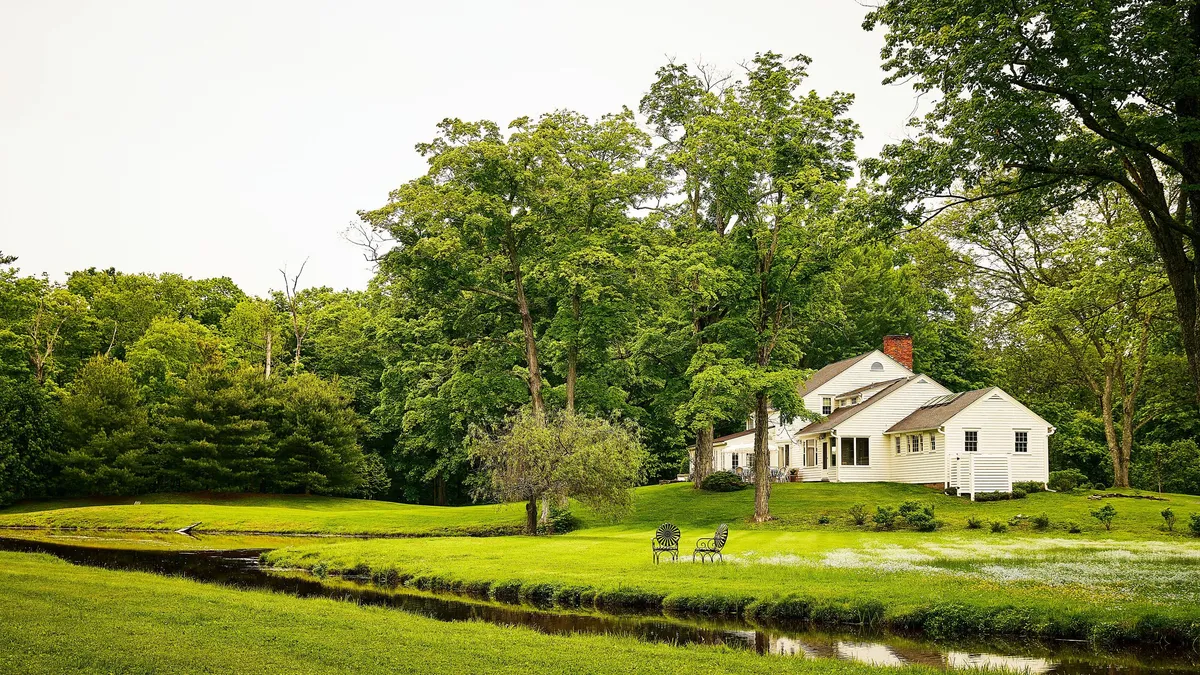
But according to experts cited by Architectural Digest, the picture is more nuanced than a simple yes or no.
What lawn and pollinator experts actually say
The concern isn't with the spirit of the movement - it's with the all-or-nothing approach. A full month without mowing can lead to grass that becomes genuinely difficult to manage, and cutting it all at once after weeks of growth can actually stress the lawn. There's also the question of what's actually growing in your yard. If your lawn is mostly turf grass with few flowering weeds, the pollinator benefit may be minimal anyway.
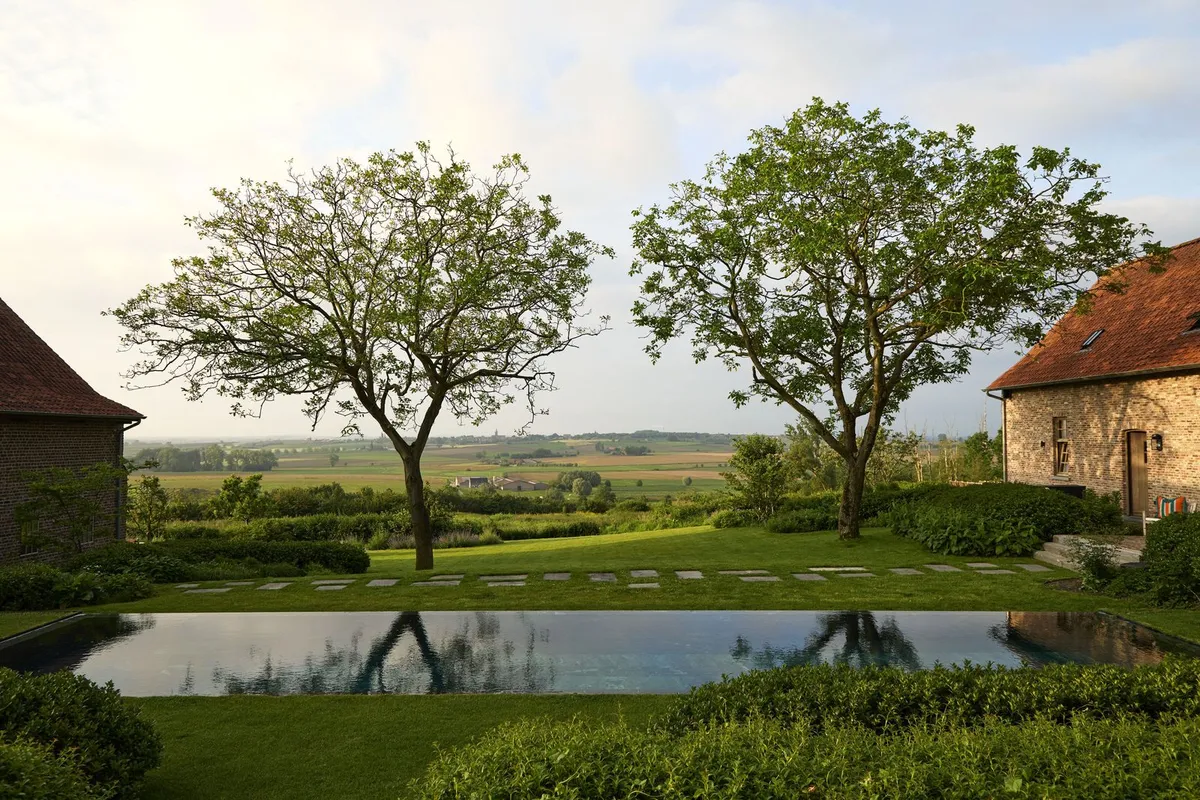
The smarter approach, experts suggest, is to think beyond one month and build more pollinator-friendly habits into your regular routine year-round. That might mean mowing less frequently overall, raising your mower blade height, or dedicating a patch of your yard to native plants that support local wildlife far more effectively than a temporarily overgrown lawn.
So, when should you actually mow in May?
The general rule of thumb is the 'one-third rule' - never cut more than a third of the grass blade at once. In May, when grass tends to grow quickly, that might mean mowing every week or every ten days depending on your climate. The key is keeping the blade high rather than giving your lawn a buzz cut, which weakens roots and opens the door to weeds and drought stress.
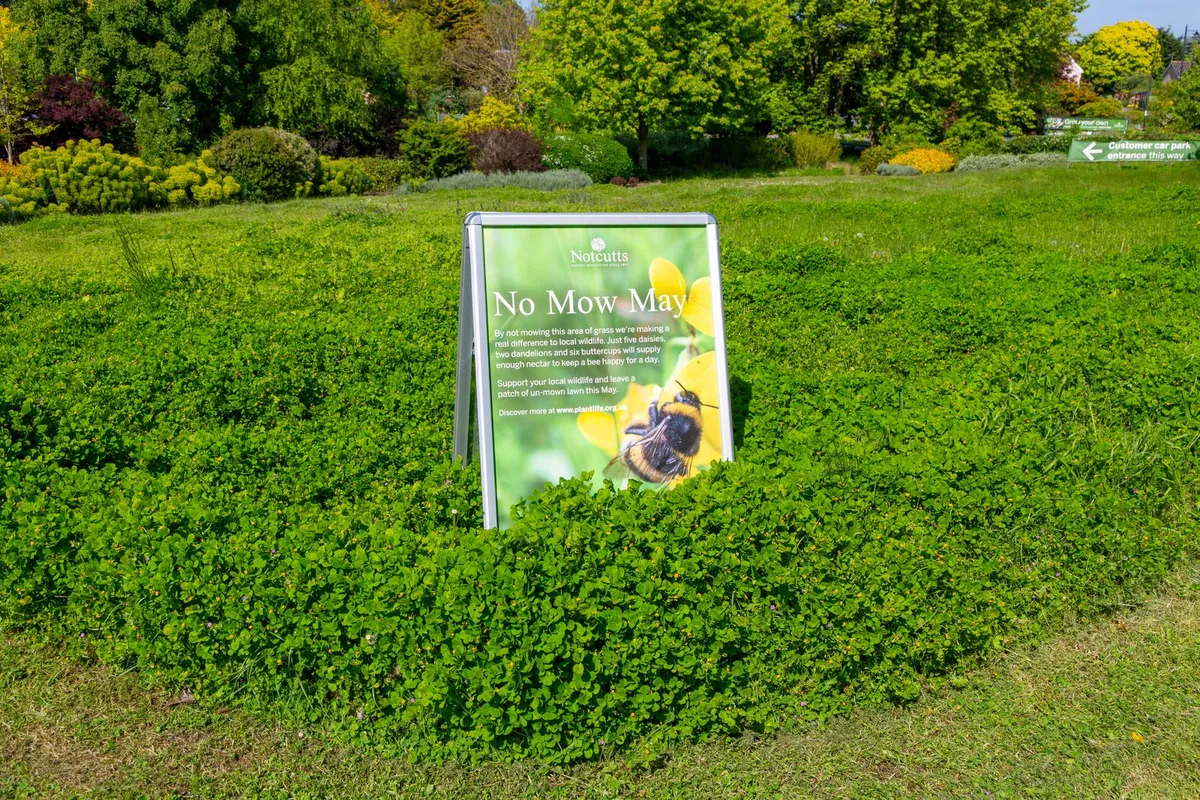
If you love the idea behind No Mow May, the best version of it might be a 'mow less May' - scale back the frequency, leave a wild corner of the garden to do its thing, and maybe plant some native flowering species that will keep supporting pollinators long after June arrives.
The bees will thank you for the whole season, not just one month.