If you've noticed companies leaning harder into AI that actually does things rather than just answering questions, you're not imagining it. Agentic AI - systems that can take actions, make decisions, and complete multi-step tasks on your behalf - is having a serious moment. And OpenAI wants to make sure the infrastructure keeping all of that running is up to the task.
According to TechChrunch, OpenAI has rolled out a meaningful update to its Agents SDK, the toolkit that lets enterprise developers build and deploy AI agents. The update is focused on two things that matter a lot when you're handing a software system real-world responsibilities: capability and safety.
Why this actually matters
It's easy to gloss over developer tool announcements as inside-baseball tech news, but this one has broader implications. AI agents are increasingly being used to handle customer service, automate workflows, manage data, and even make purchasing decisions. When those systems are operating at scale inside large organizations, the stakes for getting them right are genuinely high.
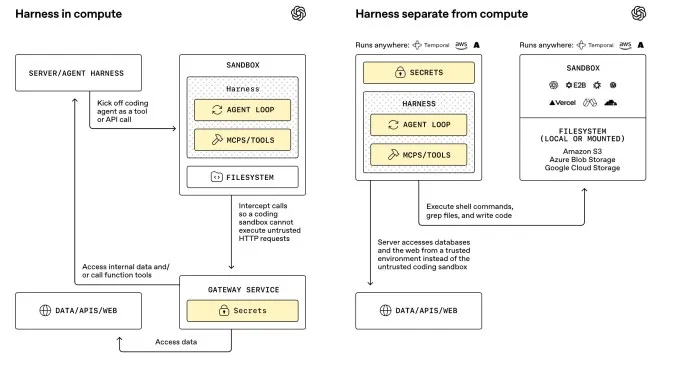
More capable agents mean businesses can automate more complex, valuable tasks. But more powerful tools without proper guardrails can also mean more opportunities for things to go sideways - whether that's a miscommunication, a privacy slip, or an action taken without the right context. OpenAI's focus on building safety features directly into the SDK signals that the company is at least thinking about these risks at the infrastructure level, rather than leaving it entirely up to individual developers.
The bigger picture for agentic AI
The timing of this update reflects just how fast the agentic AI space is moving. What felt like a futuristic concept even 18 months ago is now a genuine priority for tech teams at companies of all sizes. Competitors are building in the same space, and the race isn't just about who has the most powerful model - it's about who can offer developers the most reliable, trustworthy platform to build on.
For everyday users, this kind of update is mostly invisible. But it shapes the AI-powered tools and services that are quietly becoming part of daily work life - the assistant that schedules your meetings, the chatbot that handles your returns, the system that flags an anomaly in your account. The better the underlying toolkit, the better those experiences tend to be.
It's a reminder that the AI story isn't just about flashy model launches. A lot of the most consequential work is happening at the plumbing level - and right now, that plumbing is getting a serious upgrade.