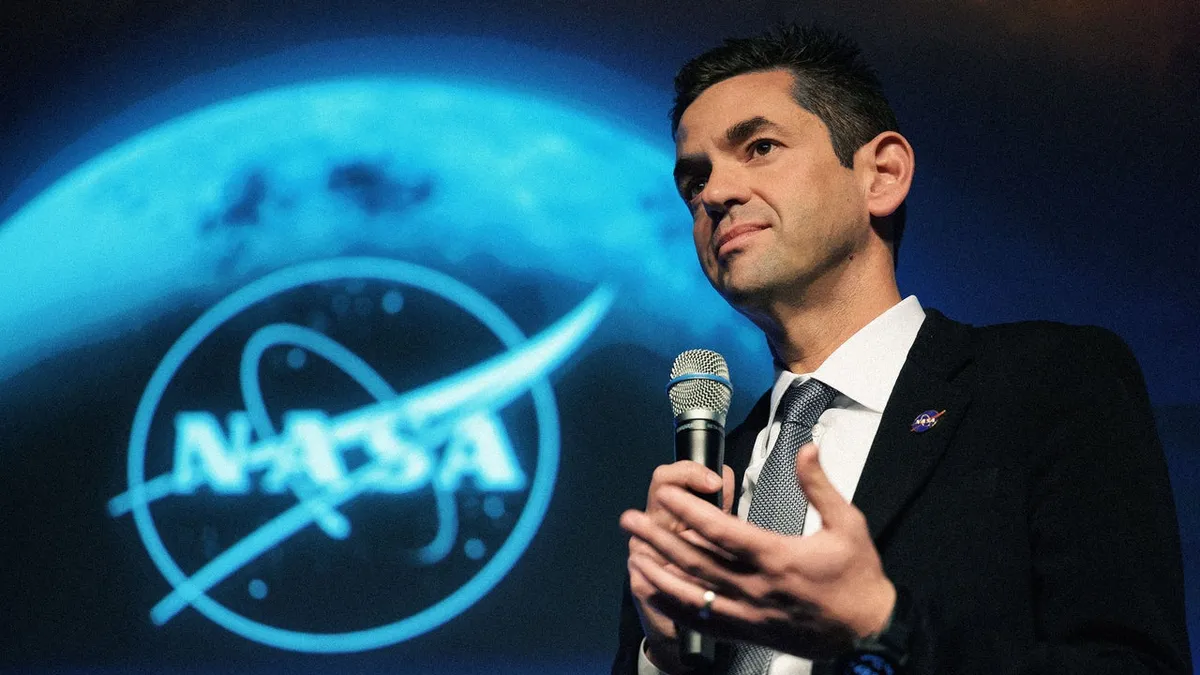
Fresh off the Artemis II splashdown - which, by the way, just broke records - NASA Administrator Jared Isaacman is apparently done being coy. The entrepreneur-turned-space-chief sat down with Fast Company to talk shop, and the conversation went exactly where you'd expect when someone who made their fortune in fintech is now running America's space program: straight to the geopolitical jugular.
The moon is a real estate problem now
Isaacman laid out NASA's ambitions with refreshing bluntness. Permanent lunar base. Boots on Mars. A harder push to find extraterrestrial life. Standard stuff for a Tuesday, sure. But the part that's actually worth paying attention to is the framing around China.
Because this isn't NASA talking about the moon as a destination. It's NASA talking about the moon as a competition - one Isaacman reportedly considers among the most consequential contests of our time. That's a very different pitch than "we're going back to the moon for science and wonder." That's a "we need to plant a flag before someone else does" pitch, and it deserves to be called exactly that.
Why this actually matters beyond the vibes
Here's the thing about permanent lunar bases that doesn't get enough airtime: whoever establishes sustainable infrastructure on the moon first gets to write a lot of the rules about how it works. Resources, access, even communication infrastructure - none of this exists in a regulatory vacuum forever. The geopolitics of Earth have a nasty habit of following humans wherever they go.
Isaacman's background as a private sector operator probably informs this worldview more than most NASA chiefs. He's not just a scientist who became an administrator. He's someone who understands competition, first-mover advantage, and what it means to lose ground you can't easily get back.
The Mars bit isn't just filler
The mention of Mars ambitions might sound like boilerplate NASA optimism, but paired with the lunar base timeline and the China framing, it starts to look more like a coherent long-game strategy. Moon base as infrastructure. Mars as the next horizon. And somewhere in between, maybe, an answer to whether we're alone in the universe.
No pressure.
Whether the funding, the politics, and the timeline all cooperate is another question entirely - one Isaacman's enthusiasm, however genuine, can't fully answer. But if nothing else, it's clarifying to have a NASA chief who says the quiet part out loud: this is a race, and the U.S. intends to win it.
Based on reporting by Fast Company.