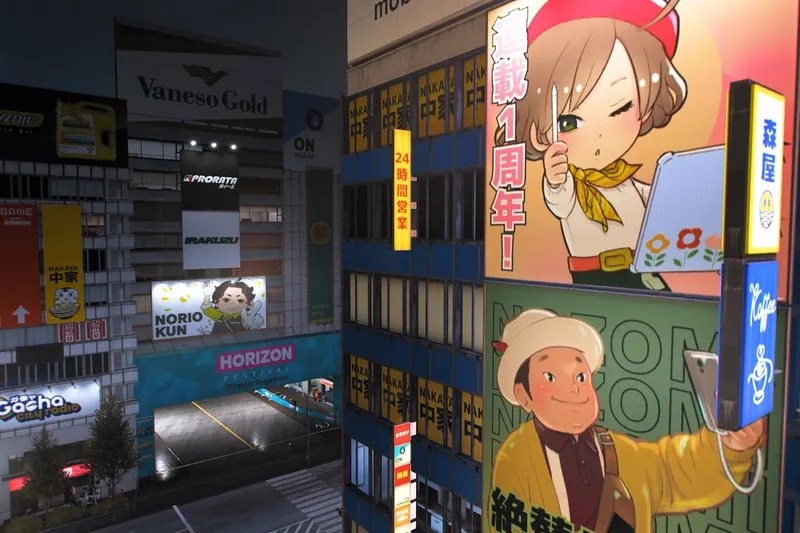
When a video game asks you to capture the spirit of one of the world's most iconic intersections, where do you even start? For Inko Takita, a UK-based Japanese manga artist, the answer was to treat it less like a design brief and more like a storytelling opportunity.
Takita is one of three artists featured in Forza Horizon 6's The Art of Driving series, hosted by renowned automotive photographer Larry Chen. The series shines a light on the creators behind the game's stunning in-game murals, each of which explores a distinct regional identity across Japan - Tohoku, Kanto, and Kyushu.
Characters, not just decoration
Takita's assignment was the Kanto region, with Tokyo's Shibuya Crossing as her central inspiration. And if you know anything about Shibuya, you know the real spectacle isn't the scramble itself - it's the people. The thousands of individuals, each with their own story, converging at a single point in a city that never really pauses.
That crowd energy is exactly what Takita channelled. Rather than approaching the project as static illustration, she built out a cast of billboard characters that feel alive and grounded in everyday life. This is very much in keeping with her broader artistic voice, which leans playful, character-driven, and deeply rooted in the ordinary moments that define how people actually move through the world.
Manga sensibility meets open-world racing
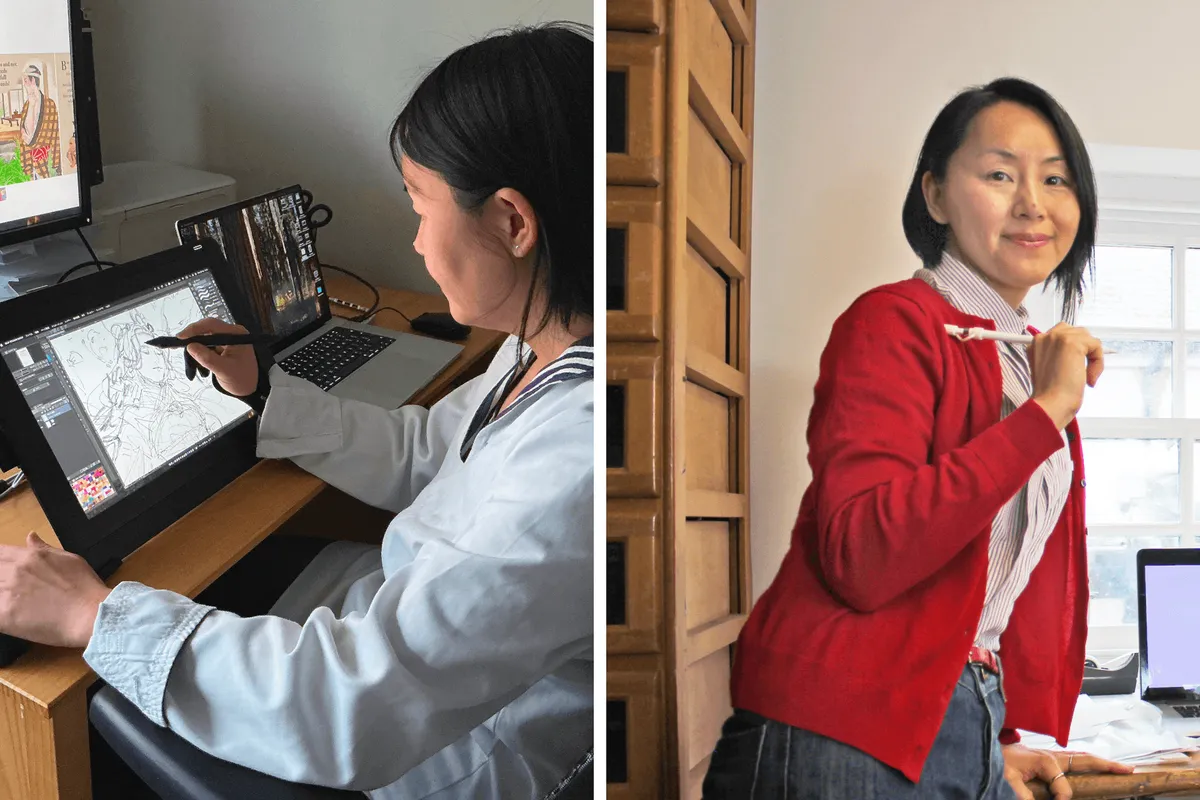
What makes this collaboration genuinely interesting is how well Takita's manga-influenced style translates into the Forza Horizon universe. Horizon games have always been about atmosphere as much as speed - the feeling of a place, not just its geography. Dropping a warm, human-scale illustration style into that world adds a layer of cultural texture that goes beyond typical game art.
It also points to something broader happening in gaming right now. Developers are increasingly looking to regional artists to help build worlds that feel specific and authentic, rather than generically beautiful. Takita's contribution isn't just decorative - it's a small but meaningful act of cultural translation, turning the visual language of Tokyo street life into something players around the world can experience from the driver's seat.
The full spotlight, via Hypebeast, is well worth a look if you're curious about the creative process behind the game's visual identity - or if you just appreciate what happens when artists are given real room to bring their perspective to a massive platform.