For most of recent history, dyeing your hair at home meant one thing: a $10 drugstore box, a prayer, and fingers crossed you'd end up with the color on the model and not something vaguely orange. If you wanted anything better, you were booking a salon appointment and clearing three hours out of your day - along with $300 from your wallet.
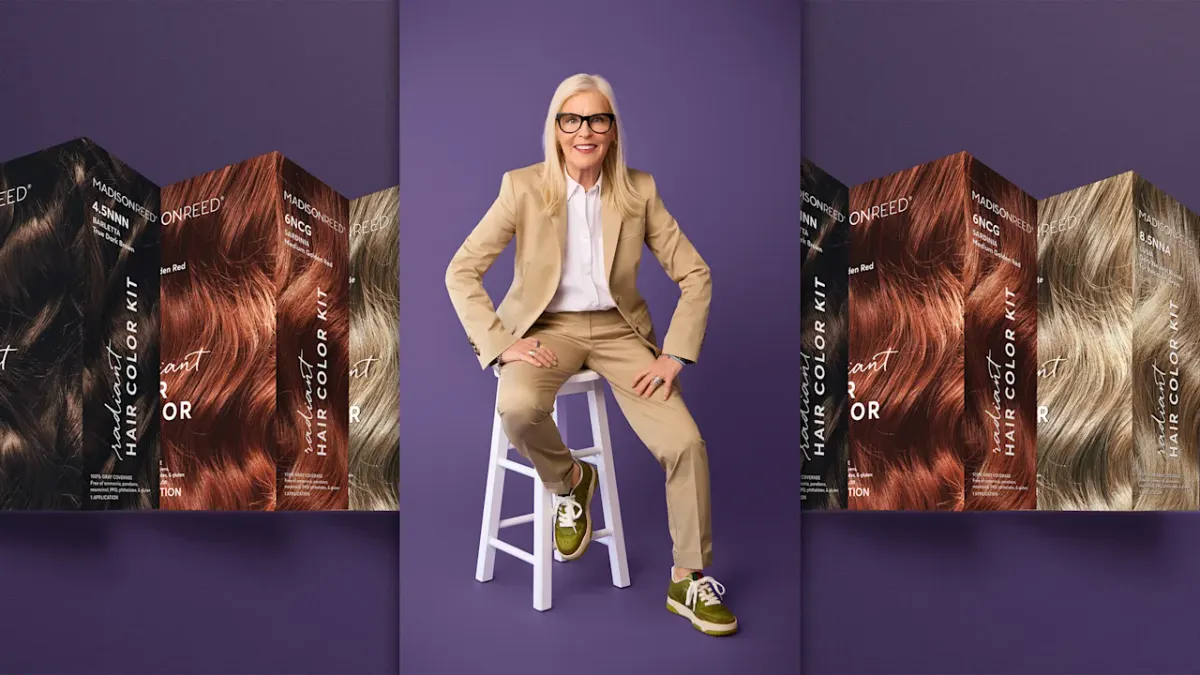
That gap - glaringly obvious in retrospect - is exactly what Amy Errett built Madison Reed to fill.
The problem nobody was solving
Errett, founder and CEO of the hair color startup, saw something the big players had apparently missed for years: millions of women who color their hair at home aren't doing it because they can't afford quality. They're doing it for convenience. And they deserve a product that reflects that.
As she explained to Fast Company, "There was no prestige product that a woman could buy for at-home use. Just because you color at home does not mean you can't afford" something better than what was sitting on the drugstore shelf.
It sounds almost too simple once you hear it. The beauty industry has a long history of assuming that at-home shoppers only want cheap, while premium quality gets reserved for the salon. Madison Reed rejected that assumption entirely.
Why this matters beyond the bathroom mirror
What makes Madison Reed interesting isn't just the product - it's what the brand represents in a broader shift happening across the beauty industry. Consumers, especially younger ones, are increasingly skeptical of the old binary: mass market or luxury, nothing in between.
We've already seen this play out in skincare, where brands like CeraVe and The Ordinary proved that effective formulas don't need a designer price tag. Hair color, somehow, never got that memo - until now.
Madison Reed positions itself as the "prestige at-home" option: better ingredients, cleaner formulas, and results that don't require a professional to execute. For the growing number of people who are both ingredient-conscious and budget-aware, that combination is genuinely compelling.
Going up against the giants
Competing with L'Oreal is no small thing. The French beauty conglomerate has had a stranglehold on the mass hair color market for generations, and its salon-grade brands cover the premium end too. But incumbents tend to be slow - and Madison Reed is betting that a startup unburdened by legacy thinking can move faster and connect more authentically with modern consumers.
It's a playbook we've watched work in mattresses, razors, and vitamins. Hair color might just be next.
If you've ever stood in the drugstore aisle squinting at a box and thinking "there has to be something better than this" - well, apparently someone agreed.