The fashion world rarely sits still, and this week's headlines prove it. While some luxury houses are doubling down on experiential retail in China, others are navigating rougher financial waters - and a few are quietly planting flags in New York City. Let's break down what's worth paying attention to.
Margiela and Celine court Chinese consumers
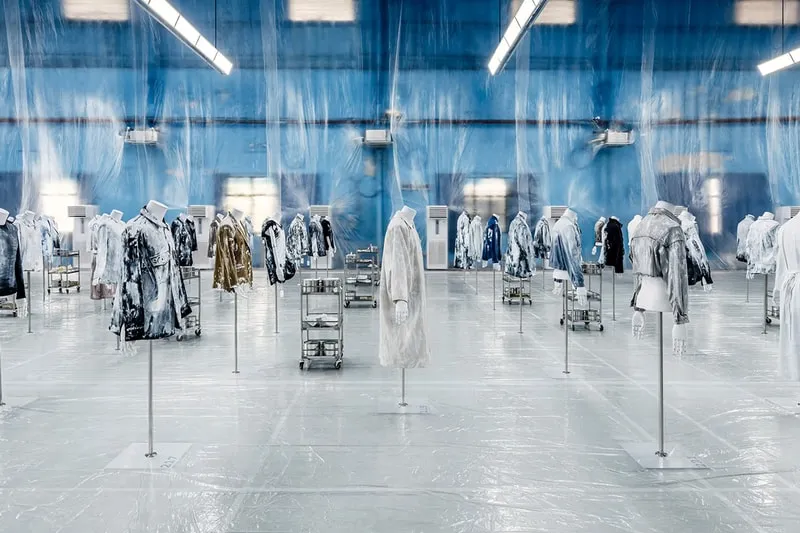
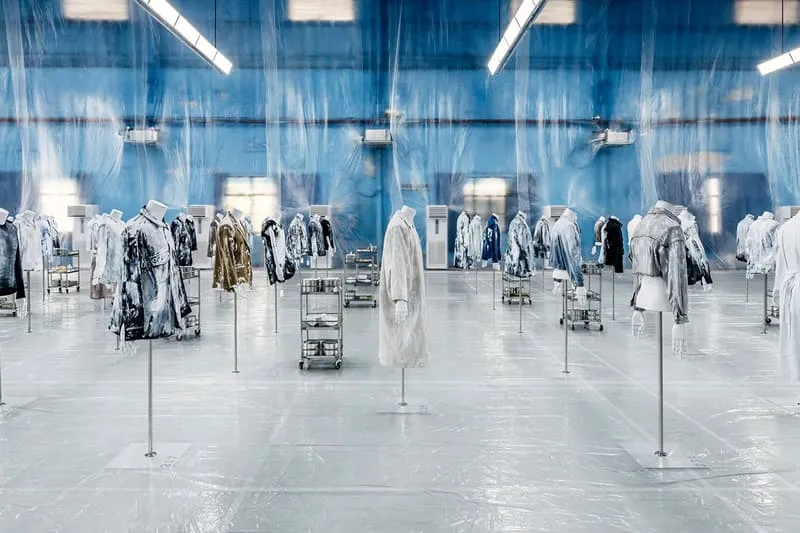
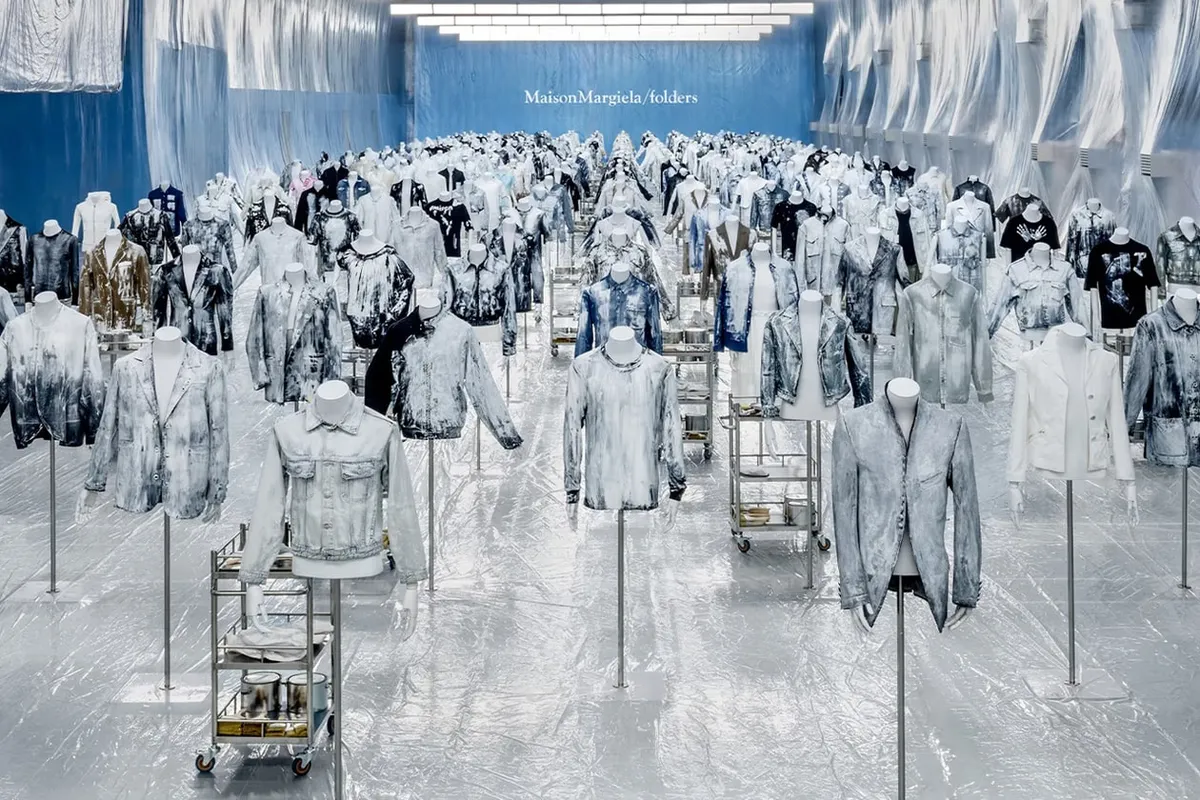
Maison Margiela is continuing its thoughtful "MaisonMargiela/folders" initiative with the launch of the "Bianchetto: Atelier Experience" in Shenzhen. Staged at the Hairun Badminton Co location, the pop-up is designed to pull consumers closer to the brand's creative process - an increasingly smart play in a market where shoppers want more than just a product. They want a story, a feeling, a reason to care.
Celine is running a similar playbook, launching its own interactive pop-up in China to deepen engagement with local audiences. Both brands seem to understand something that not every luxury house has fully grasped yet: in China right now, experience is the currency that counts.
Kering's rough patch - and its tech pivot
Not every headline this week is a win. Kering, the parent company behind Gucci, is reporting revenue declines alongside a lackluster Q1 for its flagship brand. But rather than simply weathering the storm, the group appears to be leaning into tech-driven innovation, including a pivot that involves working with Google. Whether that's enough to shift momentum remains to be seen, but it signals that even the biggest players in luxury are rethinking how they operate.
Gucci's sluggish quarter is a reminder that brand heat is hard to maintain - and harder to rebuild once it cools. The coming months will be telling.
New York gets some exciting new retail
On a more energizing note, both Issey Miyake and Nike are establishing new retail presences in New York City, according to Hypebeast. For Issey Miyake, it's a chance to bring the brand's singular approach to texture and form to one of the world's most fashion-literate cities. For Nike, a new NYC footprint reinforces just how seriously the brand takes physical retail as part of its broader strategy - even in a digital-first era.
New York has always been a proving ground for retail concepts, and these arrivals suggest that brick-and-mortar is far from dead. If anything, the brands getting it right are treating stores less like transaction points and more like destinations.
The bigger picture
What connects all of these stories is a shared tension in fashion right now - between heritage and innovation, between digital and physical, between global ambition and local relevance. The brands finding their footing are the ones treating these not as contradictions, but as creative challenges worth solving.